
Raising kids comes with a lot of stuff, right? Whether it’s snacks, toys, clothes, or school supplies, you need to buy a lot, and it’s fair to say that most of it comes wrapped in plastic too, so you might be thinking that leading a low-plastic life when you have young children is an impossible ask, but you know what? It is doable, and it doesn’t have to be that hard, and what’s more, you do not have to be perfect at it to have a positive impact.
So, if you want to create a home environment that’s healthier for your family and better for the planet, here’s how to get started:
Start with everyday essentials
The easiest place to begin is with the items you use daily. Swap single-use products for reusable ones where possible. Think drink bottles instead of disposable ones, lunchboxes instead of plastic bags, and cloth wipes in place of disposable alternatives. These swaps quickly become routine and can significantly cut down on waste. It is about building habits that stick.
Make the bathroom more sustainable
Bathrooms are one of the highest plastic areas in many homes, so if you can make a few changes there, you will be well on your way to a low-plastic lifestyle for you and your family. How can you make that happen? Choosing products that allow you to refill them instead of having to buy a new plastic bottle every time is a good place to start. For example, this refillable hand wash designed for modern homes will cut down on waste, look good in your bathroom ad do the job very well. Make lots of small changes like this, and you will be well on your way to low plastic living without complicating your family routine at all.
Be mindful with toys
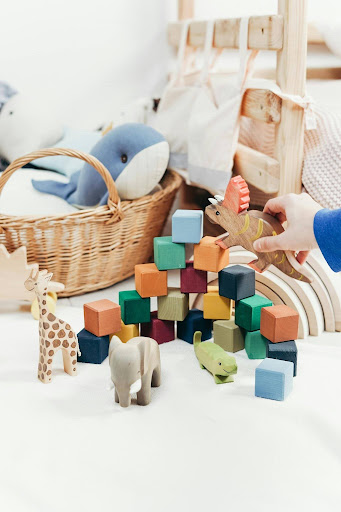
Children’s toys are often made from plastic, but there are alternatives. Wooden toys, fabric-based items, and second-hand finds can all offer great play value without the same environmental impact. Rotating toys rather than constantly buying new ones can also keep things fresh and engaging. Quality often matters more than quantity here.
Rethink packaging
Food packaging is also one of the biggest sources of household plastic there is, so where possible, it is a really good idea to choose items that are minimally packaged, or sustainably packaged, and if that is not possible, you should try to buy in bulk so that there is less packaging overall.
It’s also a good idea if you do have to buy items with plastic packaging to find ways of reusing it, such as using plastic containers for snacks or storage around the house. You can even use them as crafting materials for the kids to give them a second life.
It’s a good idea to get your kids involved with all these low-plastic choices because then they will understand how important it is and hopefully start to make low an no plastic hoices fot themselves when they are old enough to do so.


