
Australia has always been a nation of pioneers, but today’s lifestyle revolution is redefining what it means to call this sunburnt country home. From the way we choose our living spaces to how we spend our leisure time, Australians are increasingly prioritizing flexibility, affordability, and quality of life over traditional expectations. This shift isn’t just about changing preferences, it’s a fundamental reimagining of the Australian dream itself.
The rising cost of living, coupled with a growing desire for experiences over possessions, has created a perfect storm of innovation in how Australians approach their daily lives. Whether it’s rethinking housing solutions, exploring the country on their own terms, or reconsidering what truly matters as we age, modern Australians are charting new courses that would have seemed unconventional just a decade ago.
The Great Australian Housing Rethink
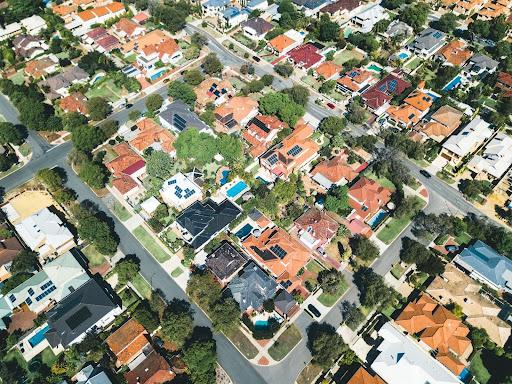
Housing affordability has become one of the most pressing concerns for Australians across all demographics. Major metropolitan areas have seen property prices soar to levels that place home ownership out of reach for many, particularly younger generations and those on fixed incomes. This reality has forced a creative reassessment of what “home” really means.
The traditional quarter-acre block with a brick veneer house is no longer the only aspiration. Australians are increasingly open to alternative housing models that offer lower entry costs, reduced maintenance responsibilities, and greater flexibility. This shift represents more than just economic pragmatism, it reflects a cultural evolution toward valuing experiences and mobility over static assets.
Interestingly, this housing revolution intersects with broader lifestyle changes. As remote work becomes more normalized and digital connectivity reaches even rural areas, the tyranny of distance that once confined Australians to major cities is loosening its grip. People are discovering they can maintain careers while living in areas that were previously considered too remote or impractical.
Mobility and Freedom: The Rise of Alternative Living
One of the most fascinating trends reshaping Australian lifestyle choices is the embrace of mobile living. The pandemic served as a catalyst for many Australians to question their attachment to fixed locations, and the result has been a surge in interest for travel-based lifestyles that don’t require sacrificing comfort or connection.
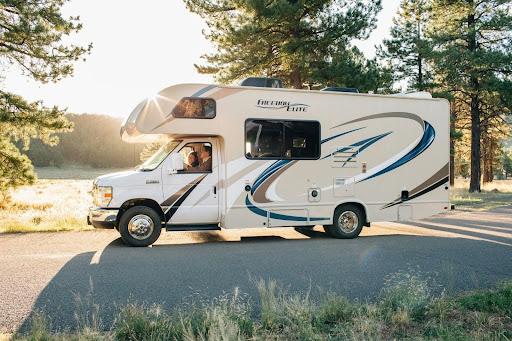
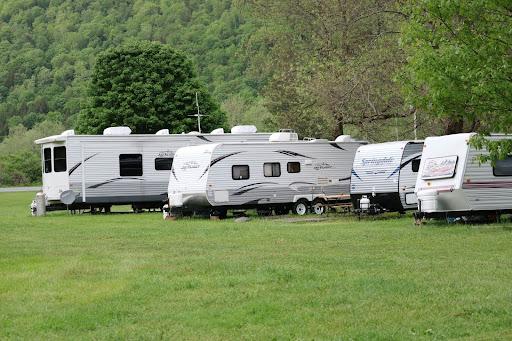
The grey nomad phenomenon, once primarily associated with retirees, has expanded to include younger families, remote workers, and even semi-retired professionals seeking a better work-life balance. This demographic shift has created demand for higher-quality mobile accommodation options that can serve as genuine homes on wheels rather than just vacation vehicles.
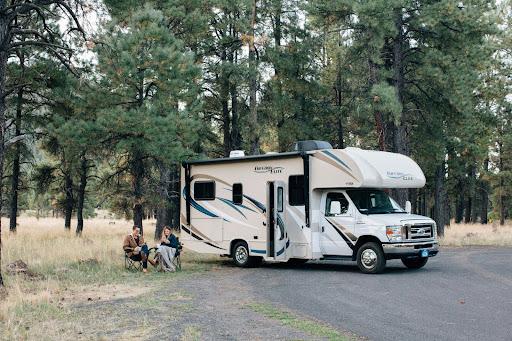
For those exploring this lifestyle, finding the right motor home for sale in australia has become a crucial decision point. Today’s motorhomes offer sophisticated features that make extended travel not just feasible but genuinely comfortable. Solar panels, satellite internet connectivity, space-efficient design, and robust construction mean that modern mobile homes can support everything from remote work to home schooling while traversing the country’s vast landscapes.
This mobility revolution represents more than just a trend, it’s a fundamental shift in how Australians conceptualize home and community. Social media groups and online forums have created virtual communities of mobile dwellers who share tips, meet up at various locations, and maintain friendships despite constantly changing physical locations. The result is a new kind of Australian identity that prioritizes experience and flexibility over geographic rootedness.
Redefining Retirement and Aged Care in Australia
As Australia’s population ages, the conversation around aged care and retirement living is evolving dramatically. The institutional model of aged care that dominated for decades is giving way to more personalized, dignity-focused approaches that prioritize quality of life alongside medical care.
Modern aged care facilities are increasingly incorporating allied health professionals into their standard care teams, recognizing that maintaining mobility, independence, and physical function is crucial to residents’ wellbeing. The role of specialized practitioners has expanded significantly, with many facilities now employing dedicated professionals who understand the unique needs of elderly residents.
The importance of having a skilled physiotherapist aged care team cannot be overstated. These professionals don’t just treat injuries or manage chronic conditions, they actively work to prevent falls, maintain mobility, and preserve independence for as long as possible. Their interventions can mean the difference between a resident maintaining the ability to walk independently or becoming wheelchair-dependent, between participating in social activities or becoming isolated due to physical limitations.
Progressive aged care facilities are designing spaces that encourage movement and social interaction rather than passive sitting. Walking paths, therapeutic gardens, and accessible fitness equipment are becoming standard features. This shift recognizes that remaining physically active isn’t a luxury for elderly Australians, it’s essential to maintaining cognitive function, emotional wellbeing, and overall quality of life.
The integration of technology in aged care is also transforming outcomes. Telehealth consultations, wearable devices that monitor vital signs and detect falls, and digital platforms that keep families connected with their loved ones are all becoming standard. These innovations allow for more proactive care while reducing the isolation that often accompanies traditional institutional settings.

The Affordability Challenge: Finding Value in the Australian Property Market
For those not ready to embrace mobile living but still facing affordability challenges, the search for reasonably priced rental accommodation has become increasingly strategic. The geographic lottery of Australian real estate means that location choices can have massive implications for quality of life and financial stability.
Understanding where to find the cheapest rent in Australia requires looking beyond the obvious major cities. Regional centers have emerged as attractive alternatives, offering lower housing costs while still providing access to essential services, employment opportunities, and community connections. Towns in regional Queensland, South Australia, and parts of Western Australia consistently offer rental rates that are a fraction of what similar accommodations would cost in Sydney or Melbourne.
However, the cheapest rent doesn’t always equate to the best value. Prospective renters need to consider the total cost of living, including employment prospects, transportation costs, access to healthcare and education, and quality of life factors. A cheaper rental in a remote location might actually cost more in the long run if it requires extensive travel for work or lacks basic amenities.
The rise of remote work has been a game-changer in this equation. Workers no longer tethered to physical offices can now seriously consider locations that were previously impractical. This has led to an influx of professionals into regional areas, bringing both economic benefits and challenges as local rental markets adjust to increased demand.
Smart renters are also considering shared housing arrangements, co-living spaces, and alternative housing models that reduce individual costs while providing community benefits. These arrangements aren’t just about saving money, they’re creating new forms of community and support networks that can be particularly valuable for people living away from family.
Innovation in Housing: Thinking Outside the Traditional Box
Perhaps the most exciting development in Australian housing is the embrace of genuinely innovative building approaches. As construction costs soar and housing shortages persist, alternative building methods are moving from fringe curiosity to mainstream consideration.
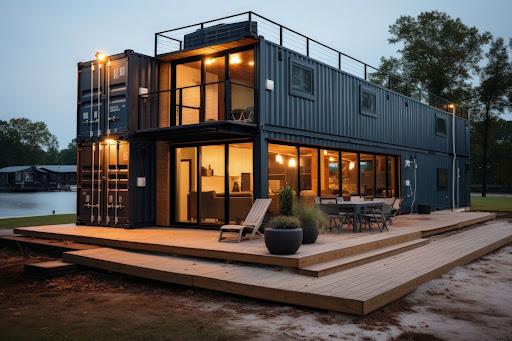
The container homes movement exemplifies this shift perfectly. What began as an architectural experiment has evolved into a legitimate housing solution that addresses multiple contemporary concerns simultaneously. These structures offer affordability, as shipping containers are relatively inexpensive and widely available. They provide sustainability, as repurposing industrial materials reduces waste and environmental impact. And they deliver speed, as container homes can be constructed in a fraction of the time required for traditional builds.
Modern container home designs bear little resemblance to the utilitarian metal boxes that first inspired them. Architects and designers have pushed the boundaries of what’s possible, creating spacious, light-filled homes that rival traditional construction in comfort and aesthetic appeal. Multi-container configurations can create surprisingly large living spaces, while clever design work and quality insulation make them comfortable in Australia’s varied climate zones.
The regulatory environment around alternative housing is also evolving. Local councils that once viewed container homes with suspicion are increasingly creating pathways for approval, recognizing both the housing crisis and the quality of modern designs. This regulatory acceptance is crucial for mainstream adoption and has encouraged more builders to develop expertise in this construction method.
Container homes also offer unique advantages for specific situations. They’re ideal for rural properties where traditional construction might be prohibitively expensive due to access issues. They work well for temporary or transitional housing needs. And they appeal to environmentally conscious buyers who prioritize reduced carbon footprints and sustainable living practices.
The movement toward alternative housing isn’t just about containers. Tiny homes, modular construction, prefabricated buildings, and even 3D-printed homes are all gaining traction in the Australian market. What unites these approaches is a willingness to challenge assumptions about what housing should look like and how it should be created.
The Financial Calculus of Modern Living
Understanding the true cost of different lifestyle choices requires looking beyond simple price comparisons. The cheapest option upfront isn’t always the most economical in the long term, and the most expensive choice doesn’t necessarily deliver proportional value.
For mobile living enthusiasts, the initial investment in a quality motorhome might seem substantial, but it eliminates rent or mortgage payments while providing unparalleled flexibility. For those choosing regional living for affordability, the savings on housing costs might be partially offset by other expenses but could still result in significantly improved quality of life and reduced financial stress.
The key is approaching these decisions holistically. What are your priorities? How do you define success and happiness? What trade-offs are you willing to make? There’s no single correct answer, the Australian lifestyle revolution is characterized by diversity of choice rather than a one-size-fits-all solution.
Financial advisors increasingly recommend that Australians consider their total life expenses and goals rather than focusing narrowly on property ownership or traditional markers of success. This broader perspective can reveal opportunities that might otherwise be overlooked and can lead to more satisfying life choices.
Building Community in a Changing Landscape
One concern that often arises with non-traditional lifestyle choices is the potential loss of community connection. However, the reality has proven quite different. Australians pursuing alternative lifestyles often report stronger, more intentional communities than they experienced in traditional suburban settings.
Mobile living communities have created tight-knit networks of mutual support. Container home developments often incorporate shared spaces and collaborative design processes that foster neighbor relationships. Regional towns welcoming new residents are experiencing cultural revitalization as newcomers bring fresh energy and perspectives.
The digital age has also transformed how we maintain relationships. Video calls, social media, and messaging platforms mean that physical distance no longer necessitates emotional distance. Many Australians report feeling more connected to friends and family despite unconventional living arrangements, as they’re more intentional about communication and make the most of the time they do spend together in person.
The Environmental Dimension
Sustainability considerations increasingly influence Australian lifestyle choices. The environmental impact of housing, transportation, and consumption patterns weighs heavily on many minds, particularly among younger generations who will inherit the consequences of today’s decisions.
Alternative housing options often come with reduced environmental footprints. Container homes repurpose industrial materials. Smaller living spaces require less energy to heat and cool. Mobile lifestyles can actually reduce overall environmental impact when they eliminate the need for maintaining large, underutilized houses and allow people to follow moderate climates rather than fighting them with air conditioning.
Regional living can also support more sustainable lifestyles, with space for gardens, composting, and renewable energy installations that might be impractical in dense urban environments. Many Australians are discovering that stepping away from metropolitan consumption patterns naturally leads to reduced waste and more mindful living.
Looking Forward: The Future of Australian Living
The lifestyle revolution sweeping Australia shows no signs of slowing. If anything, it’s accelerating as more people recognize that the traditional path isn’t the only path, and often isn’t even the best path for their circumstances.
Technology will continue enabling new possibilities. Better batteries and solar systems will make off-grid living more feasible. Improved satellite internet will further reduce the digital divide between urban and rural areas. Virtual reality might eventually allow remote workers to feel present in physical offices despite being thousands of kilometers away.
Demographic pressures will also drive change. As the population ages, demand for innovative aged care solutions will grow. As housing affordability challenges persist, alternative housing options will move from interesting experiments to essential components of the housing supply.
The key for individuals navigating this landscape is remaining open to possibilities while being realistic about what different choices entail. Every lifestyle option involves trade-offs, and the goal isn’t to find the perfect solution, it’s to find the right solution for your specific circumstances, values, and priorities.
Conclusion: Embracing the Australian Way Forward
The Australian lifestyle revolution represents something profoundly optimistic, a collective belief that we can reimagine fundamental aspects of how we live to create better outcomes for ourselves and our communities. Whether through mobile living, alternative housing, strategic location choices, or innovative approaches to aging and care, Australians are proving that creativity and adaptability remain defining national characteristics.
This isn’t about abandoning the Australian dream; it’s about updating it for a new era. The quarter-acre block and the Hills hoist might not define home for everyone anymore, but the underlying values, independence, opportunity, and the pursuit of a good life, remain as relevant as ever. They’re simply being expressed in new and sometimes unexpected ways.
As we move forward, the diversity of lifestyle choices available to Australians will likely continue expanding. What’s exciting isn’t any single trend but rather the recognition that there are multiple valid paths to a fulfilling life. The freedom to choose your own path, informed by honest assessment of your priorities and circumstances, is perhaps the most Australian value of all.
The lifestyle revolution isn’t coming, it’s already here. The question isn’t whether to participate but rather how to thoughtfully engage with the possibilities it presents. For those willing to think creatively, challenge assumptions, and prioritize what truly matters to them, the future of Australian living has never looked brighter or more full of possibility.


