
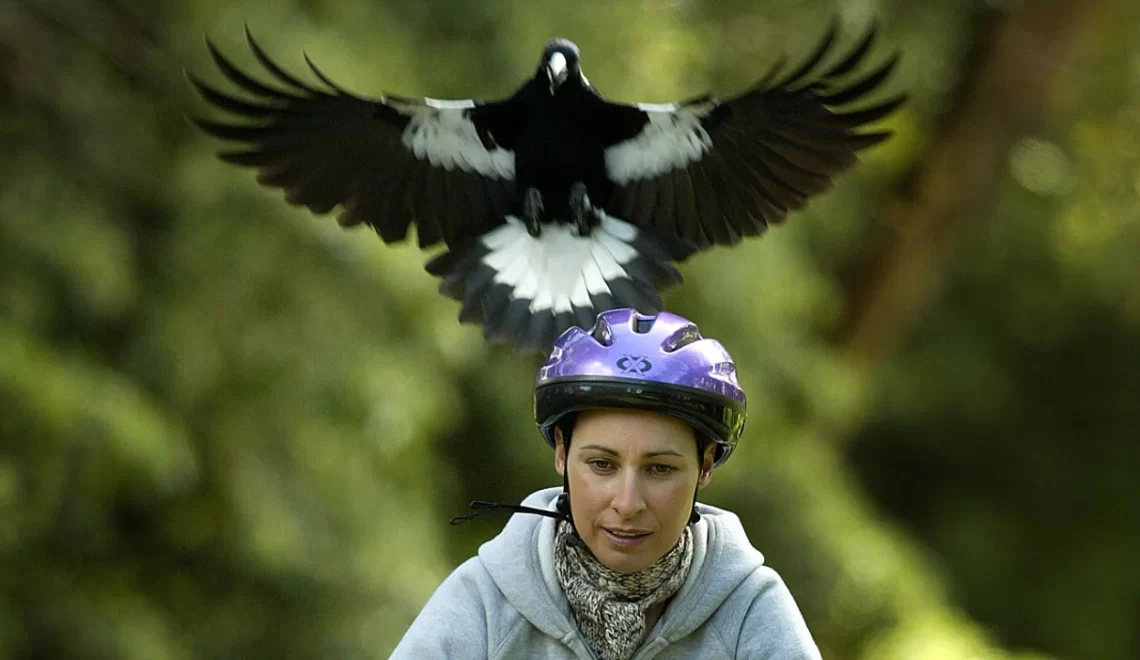
As spring arrives across Sydney’s Eastern Suburbs, so does magpie swooping season — a time of year many local families know all too well. From school drop-offs and coastal walks to bike rides and park playdates, it’s common to spot warning signs about protective magpies in areas like Bondi, Coogee, Maroubra and Centennial Park.
While magpie swooping can feel intimidating, it’s actually a normal part of the bird’s breeding season and usually only lasts for a few weeks.
When Is Magpie Swooping Season?
Magpie swooping season in Australia generally runs from late July through to November, with the peak swooping period usually occurring during August and September.
During this time, male magpies become highly protective of their nests and chicks. If they believe a person is getting too close, they may swoop from behind as a warning to move away from the nesting area.
The good news is that not all magpies swoop. In fact, only a small number become aggressive during nesting season.
Why Do Magpies Swoop?
Magpies swoop to defend their young. Once eggs hatch, parent birds become extra protective until the chicks are old enough to leave the nest.
Swooping usually continues for around 4–6 weeks while the chicks are developing. After that, the birds typically calm down and return to their normal behaviour.
Interestingly, magpies are known for their intelligence and strong memory. Researchers believe they can recognise faces and remember people they regularly see in their area.
Where Are You Most Likely to Encounter Swooping Magpies?
In the Eastern Suburbs, swooping tends to happen in areas with large trees, open parklands and busy walking or cycling paths. Common locations can include:
- Local parks and playgrounds
- Streets lined with large gum trees
- Coastal walking tracks
- School zones
- Sporting fields and reserves
Cyclists and runners are often swooped more frequently because fast movement can appear threatening to the birds.

Tips to Avoid Being Swooped
If you notice magpie warning signs nearby, these simple tips can help keep you and your family safe:
Stay Calm
Avoid waving your arms or yelling. Walking calmly through the area usually helps.
Wear a Hat and Sunglasses
Protective eyewear and hats can make people feel more comfortable and help shield the face and eyes.
Avoid Nesting Areas
If possible, take a different route for a few weeks until the nesting season ends.
Walk Your Bike
Cyclists are commonly targeted, so hopping off and walking through the area can reduce swooping.
Keep Children Close
Young children may become frightened if a magpie swoops unexpectedly, so staying nearby can help reassure them.
Are Magpies Protected?
Yes. Magpies are native Australian birds and are protected by law. It is illegal to harm magpies, interfere with nests or attempt to remove chicks.
Despite their reputation during spring, magpies are an important part of Australia’s wildlife and are highly intelligent birds known for their beautiful singing and social behaviour.
A Short Seasonal Visitor
While swooping season can be inconvenient, it’s only temporary. Within a few weeks, most magpies settle down again and families can return to enjoying local parks, walks and outdoor activities without worry.
So if you spot a swooping magpie this spring, remember — they’re simply protective parents doing their job.
Discover the Hidden Corners of Centennial Park: The Ponds and Perimeter Loop


