
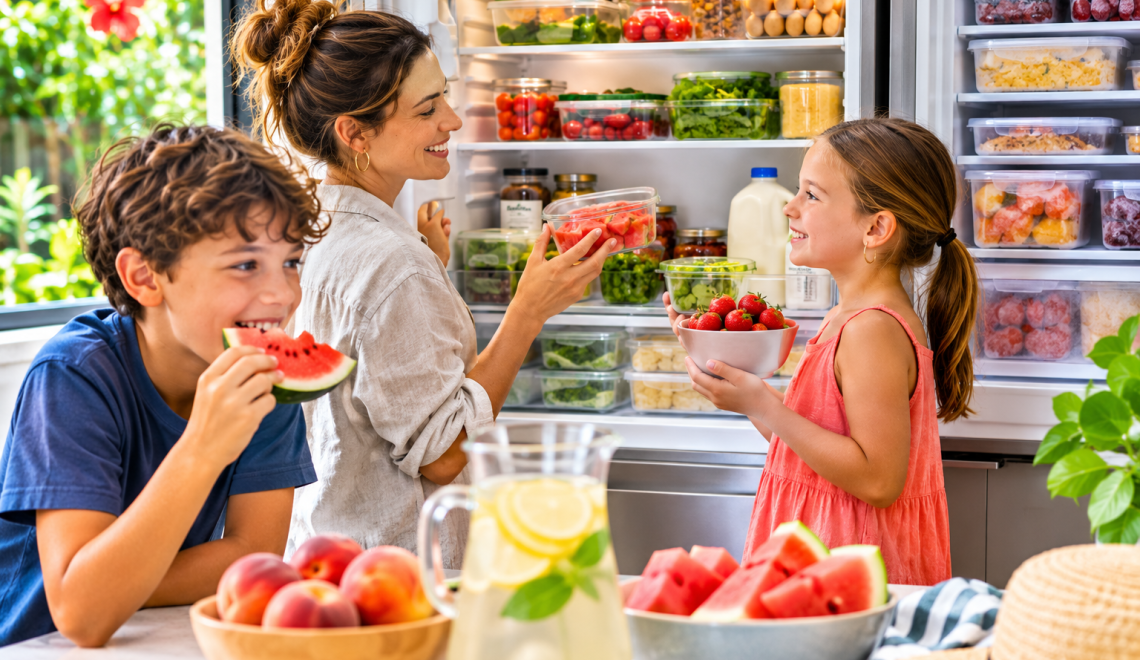
When Sydney’s summer temperatures rise, keeping the family fed becomes a little more challenging. Hungry kids, spontaneous beach days and unexpected visitors can quickly empty the fridge. Having a few reliable essentials available makes summer meals easier, while proper food storage helps prevent waste.
For families in Sydney’s Eastern Suburbs, summer often means spending more time outdoors and less time planning complicated meals.
Whether you’re heading to Coogee Beach, enjoying a picnic at Centennial Park or spending the afternoon at home, a well-organised fridge and freezer can make everyday life easier.
1. Keep Versatile Fridge Essentials
Rather than filling the fridge with ingredients for specific recipes, focus on foods that can be used in several different meals.
Useful options include:
- Eggs for breakfasts, sandwiches and quick dinners.
- Cheese for wraps, toasties and pasta.
- Yoghurt for breakfast and snacks.
- Fresh vegetables for salads and simple meals.
- Milk and other everyday family essentials.
- Seasonal fruit for easy snacks.
Choose quantities that suit your household and the available storage space.
2. Stock Your Freezer with Easy Meal Ingredients
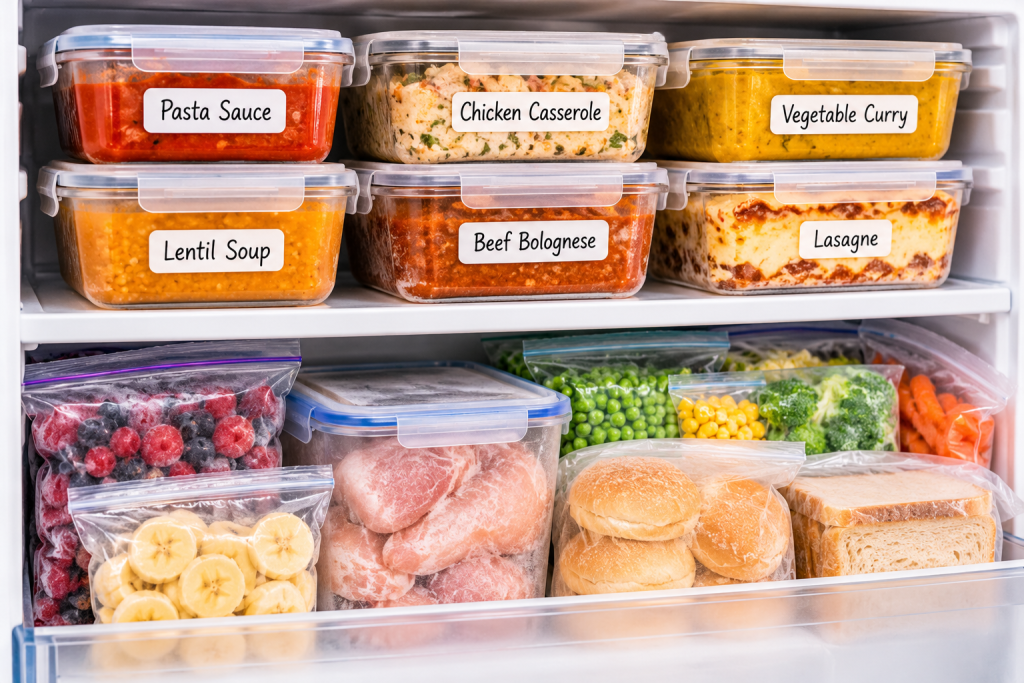
A well-stocked freezer can save you from an unnecessary supermarket trip.
Useful items include frozen vegetables, bread, fish, meat, homemade sauces and prepared family meals.
Freeze ingredients in practical portions rather than large containers that need to be defrosted all at once.
3. Keep Frozen Fruit for Summer Snacks
Frozen mango, berries and bananas are great for smoothies.
They can also be used in homemade frozen yoghurt treats or added to breakfast bowls.
Freezing ripe fruit before it spoils is an easy way to reduce waste.
4. Prepare a Few Backup Dinners
Keep two or three family meals in the freezer for busy days.
Pasta sauce, vegetable soup, casseroles and cooked curries can all be useful options.
Label containers clearly and use older meals first.
5. Keep Your Fridge at the Right Temperature
Australian summers can make food safety especially important.
Your refrigerator should be kept at 5°C or below, while the freezer should generally be around -18°C.
A fridge thermometer can help you monitor the temperature.
Avoid leaving perishable groceries in a hot car, and use an insulated cooler bag when transporting chilled food.
6. Don’t Overfill the Fridge
It’s tempting to pack the fridge full before visitors arrive.
However, overcrowding can prevent cold air from circulating properly.
Leave enough space between items and avoid blocking vents.
7. Know What to Do During a Summer Power Outage
Storms and other network problems can sometimes interrupt electricity supplies.
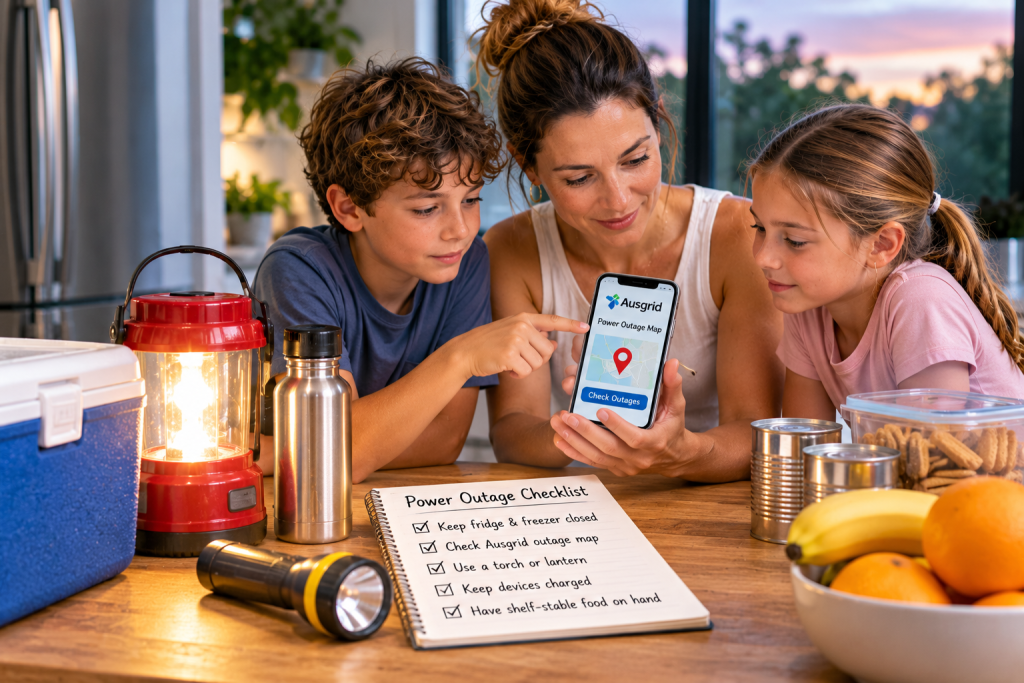
If the power goes out, keep your fridge and freezer doors closed as much as possible.
An unopened fridge generally keeps food cold for around four hours, while a full freezer may maintain its temperature for approximately 48 hours.
These times are only guides. Food safety depends on the actual temperature and how long food has been exposed to warmer conditions.
Families in Sydney’s Eastern Suburbs can check reported outages and estimated restoration times on the Ausgrid Power Outage Map.
8. Keep a Few Shelf-Stable Alternatives
A good fridge and freezer system works best alongside a practical family pantry.
Canned beans, pasta, rice, long-life milk and other non-perishable products can help when fresh supplies are running low.
They can also be useful during unexpected disruptions, especially if you keep a few foods that don’t require cooking.
Read our related guide, The Family Pantry: How to Always Have Food on Hand Without Wasting Money or Groceries.
Replace with the published article URL.
Make Summer Meals Easier
You don’t need an overflowing fridge to keep everyone fed during the holidays.
A few versatile ingredients, some frozen backup meals and sensible food storage habits can save time, reduce waste and help your family enjoy a more relaxed summer.
The Family Pantry: How to Always Have Food on Hand Without Wasting Money or Groceries


