
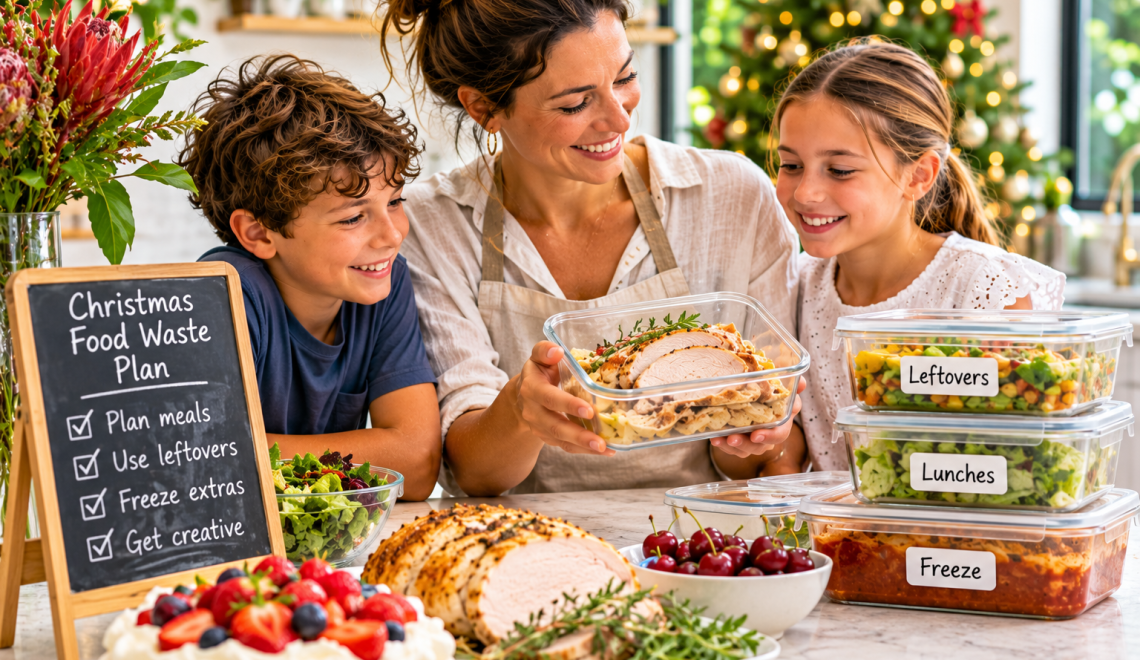
Christmas is a time for sharing food with family and friends, but it’s also easy to end up with an overflowing fridge, too many leftovers and groceries that never get eaten. A little planning can help you enjoy the festive season without wasting food or money.
From Christmas lunch to Boxing Day gatherings and New Year’s celebrations, food plays a big part in the Australian summer holidays.
But buying more than you need can quickly turn an enjoyable celebration into an expensive one.
Here are some practical ways to reduce food waste this Christmas.
1. Check What You Already Have Before Christmas Shopping
Before heading to the supermarket, take a proper look through your pantry, fridge and freezer.
You might already have crackers, sauces, flour, sugar, canned vegetables and other ingredients needed for your Christmas meals.
Write your shopping list around what you actually need rather than starting from scratch.
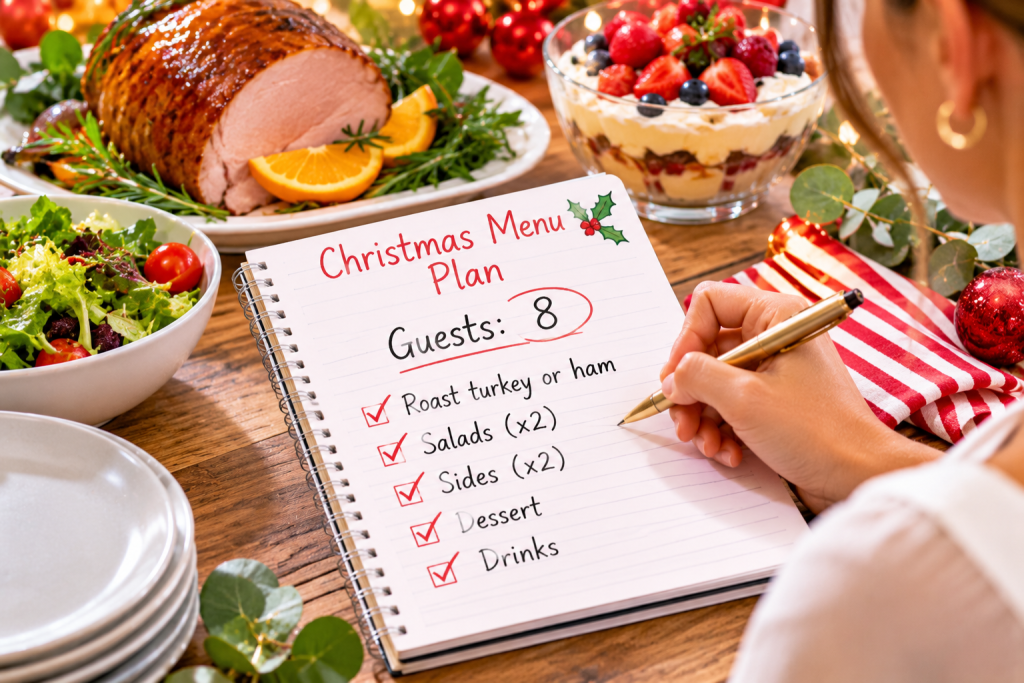
2. Plan Your Christmas Menu Around the Number of Guests
It’s tempting to prepare enough food for twice the number of people attending.
Instead, think about how many adults and children you’re feeding and how many different dishes you’re serving.
If guests are bringing food, coordinate who is bringing what to avoid ending up with three potato salads and four desserts.
3. Don’t Buy Everything Just Because It’s on Special
Christmas supermarket specials can be tempting.
Buying extra non-perishable foods that your family regularly uses can be a smart way to save money.
However, buying perishable food simply because it’s discounted can create more waste.
Before adding something to your trolley, ask yourself whether your family will realistically eat it before it spoils.
4. Make a Leftovers Plan Before Christmas Day
Christmas leftovers can be delicious, provided they’re stored safely.
Consider turning leftover cooked turkey or chicken into sandwiches, wraps, salads or pasta dishes.
Extra roasted vegetables can be used in frittatas, soups or vegetable patties.
Leftover bread can become toasties or breadcrumbs.
Only reuse food that has been handled and stored safely. Refrigerate perishable leftovers promptly and don’t leave them sitting out in the summer heat.
5. Freeze What You Won’t Eat Soon
Freezing food in meal-sized portions makes it easier to use later.
Bread, cooked meats, sauces and many prepared meals can be frozen.
Label everything with the contents and date so you know what’s available.
Don’t freeze food that has been left unrefrigerated for too long.
6. Store Summer Fruit Properly
Cherries, berries, stone fruit and mangoes are popular Christmas treats.
However, buying large quantities can lead to spoilage if they aren’t eaten quickly.
Check fruit regularly, refrigerate ripe fruit when appropriate and freeze suitable fruit before it spoils.
Frozen mangoes and berries are great for smoothies.
7. Have a Boxing Day Leftovers Lunch
Instead of preparing another elaborate meal, make Boxing Day a relaxed leftovers day.
Set out safely stored salads, cooked meats, bread and other foods from Christmas lunch.
This can become a family tradition that saves both time and money.
8. Organise Your Fridge Before Christmas
Make room for Christmas groceries before you go shopping.
Use up older ingredients, check dates and move products that need eating soon to the front.
Avoid overfilling the fridge because cold air needs to circulate to keep food at safe temperatures.
Keep the fridge at 5°C or below, especially during Sydney’s hot summer weather.
9. Make Your Pantry Part of Your Christmas Planning
A well-organised pantry can make Christmas shopping easier and reduce unnecessary purchases.
Keep a few spare essentials, use older products first and stock up on items you regularly use when they’re discounted.
For more ideas, read The Family Pantry: How to Always Have Food on Hand Without Wasting Money or Groceries.
A More Relaxed Christmas Starts with a Little Planning
Reducing food waste doesn’t mean preparing less enjoyable meals or missing out on Christmas favourites.
It simply means shopping thoughtfully, storing food properly and making the most of what you’ve already purchased.
And with supermarket prices putting pressure on family budgets, that’s a Christmas habit worth keeping all year.
The Family Pantry: How to Always Have Food on Hand Without Wasting Money or Groceries
How to Avoid Food Waste Over Christmas: Simple Tips That Could Save Your Family Money
What Every Family Should Keep in the Fridge and Freezer During the Australian Summer


