

A lot of people have tried the home gym thing and quietly given up on it. The equipment gathers dust. The space never comes together. Eventually it becomes an expensive storage area.
It is not a motivation problem. It is a setup problem.
When a home gym is built thoughtfully, it becomes one of the most used spaces in the house. When it is thrown together without much thought, it stays unused. The difference usually comes down to a handful of decisions made right at the start.
Here is what actually matters.
Start With the Space, Not the Equipment
Most people buy equipment first and then figure out where to put it. That tends to create a chaotic, uninviting space that nobody wants to spend time in.
Flip the order. Sort the space first.
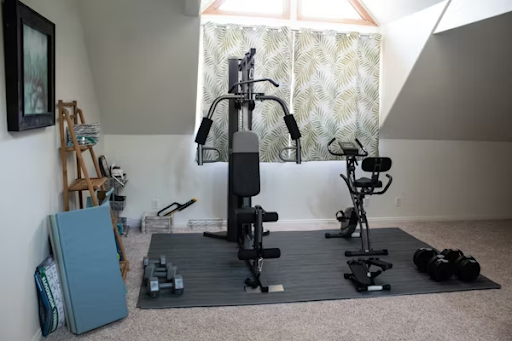
You do not need much room. A three by three metre area is genuinely enough for most training programmes. The key is that it feels dedicated. Your brain registers purpose-built environments differently to multi-use spaces, and that matters more than most people realise when it comes to building a consistent habit.
Clear the clutter. Add decent lighting. Keep it visually separate from the rest of the room if you can.
Once the space has a clear identity, everything else falls into place around it.
Why Flooring Is the Decision Most People Regret Skipping
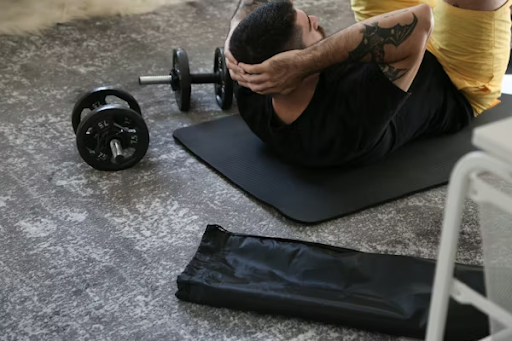
Ask anyone who has trained at home for a while what they wish they had sorted earlier. Flooring comes up constantly.
Bare concrete is brutal on your wrists and knees during floor work. The carpet is unstable and turns into a hygiene issue fast. Neither is a surface you want under you when training gets serious.
Purpose-built rubber flooring changes everything. It absorbs impact, reduces joint stress, kills noise and stays grippy no matter how hard you push. It also makes the space look and feel like somewhere worth using, which has a real effect on how often you show up.
For anyone at the research stage, gym mats Perth carries a strong range of rubber flooring options built for home and commercial training spaces. Different thicknesses suit different uses, so it is worth a look before you commit.
It is one of those purchases that feels boring to make and immediately obvious once it is done.
Equipment: Less Than You Think, Better Than You Think
The fitness industry wants you to believe you need a lot of gear. You do not.
A set of adjustable dumbbells, a pull-up bar, a resistance band kit and a jump rope covers the full range of strength, cardio and mobility training for most people. That is genuinely enough to run an effective programme for years.
If budget and space allow, a barbell and plate set adds heavier compound work. A cable machine adds variety. But none of that is necessary early on.
Buy quality over quantity. One solid set of dumbbells that goes heavy enough beats three cheap sets that wobble and cap out too soon.
Building the Routine Around the Space
A great setup is only useful if you actually use it.
The biggest mistake people make with home training is having no plan. They walk in, do whatever they feel like, and walk out. It feels fine in the moment but rarely leads anywhere over time.
A simple programme gives each session a purpose. You know what you are doing before you walk in. You do it and you leave. That structure is what turns occasional workouts into a real habit.
Three to four sessions a week is a solid target. Two strength sessions, one conditioning session and one active recovery day covers the bases without burning you out.
And because the gym is at home, the barrier to showing up is already much lower. No commute. No parking. No waiting for equipment.
Fuelling What You Are Building
Training without eating to support it is like filling up a car and forgetting to check the oil. You can keep going for a while, but something is going to give.
Protein is the most important variable for anyone training regularly. It is what the body uses to repair and build muscle after exercise, and most people are not getting enough of it.
The general recommendation for active adults sits between 1.6 and 2 grams per kilogram of body weight per day. Consistently hitting that number through food alone takes more planning than most people want to deal with.
A quality supplement makes it simple.
Whey isolate protein is one of the most efficient options available. It is very high in protein per serve, low in lactose and absorbs quickly after training when the body is most ready to use it.
A serve mixed with water or milk straight after a session is one of the easiest nutrition habits you can build. Not a shortcut. Just a practical way to make sure recovery keeps pace with the effort you are putting in.
The Small Things That Keep You Coming Back
Beyond the setup and the nutrition, the home gyms that get used consistently tend to share a few small qualities.
They are kept tidy. When equipment is put away after each session, walking back the next day feels inviting. When it is chaotic, the urge to avoid it grows.
They have good audio. A decent speaker or a pair of headphones makes a bigger difference to session quality than most people expect. Something you enjoy listening to is a genuine reason to look forward to being in there.
And they evolve. The best home gym setups are not finished on day one. They grow as your training grows. Treat it as an ongoing project and it keeps improving alongside your fitness.
The Gym You Will Actually Show Up For
The best gym in the world is the one you use. For a lot of people, that is increasingly the one down the hall, not across town.
Get the space right. Sort the floor. Keep equipment simple and high quality. Eat enough protein to support what you are asking your body to do. Show up with a plan, even a basic one.
A home gym does not need to be impressive to be effective. It just needs to be set up well enough that using it is easier than skipping it for your better wellbeing.
Once you reach that point, the results tend to take care of themselves.
The Best Way to Build a Budget Home Gym Without Sacrificing Quality


