
Fitness used to feel simple. You picked a workout, showed up, worked hard, and went home. For many mums, that version of fitness does not disappear all at once. It fades.
It starts with little things. Feeling more tired than usual. Taking longer to recover. Skipping sessions, not because of motivation, but because the body feels heavy before you even begin.
At some point, the question stops being “how hard can I push today” and becomes “what actually feels doable right now”.
When Hard Workouts Stop Feeling Helpful
High-impact workouts can feel great at first. They are fast. They feel productive. You sweat, your heart rate spikes, and you leave knowing you gave it everything.
But for a lot of mums, especially after pregnancy or long periods of poor sleep, that intensity stops giving back. Joints feel sore. Small injuries hang around. Recovery stretches longer than expected.
Strength Still Matters, Even More Than Before
Choosing low-impact training does not mean strength becomes less important. If anything, it becomes more relevant.
Daily life asks a lot from the body. Carrying kids. Lifting groceries. Sitting, standing, bending, and moving through a busy day without thinking twice about it.
Low-impact strength training focuses on building support for those movements, aligning with how strength training helps maintain function, stability, and long-term physical confidence.
Why Pilates Comes Into the Picture
Pilates often enters people’s lives quietly. A recommendation from a physio. A casual comment from a friend. A class that felt different from what was expected.
It does not announce itself as intense. There is no rush. No loud music. No pressure to keep up with anyone else.
Instead, movements demand attention. Balance matters. Breathing matters. Small adjustments make a difference, which is also covered in this NHS Pilates guide.
For many mums, that change feels grounding rather than draining.
Adding Resistance Without Adding Impact
Mat Pilates builds awareness, but some people notice another shift when resistance is introduced. Movements feel more challenging, but not harsher.
Equipment-based Pilates offers structure. Resistance stays consistent. There is less temptation to rush or rely on momentum.
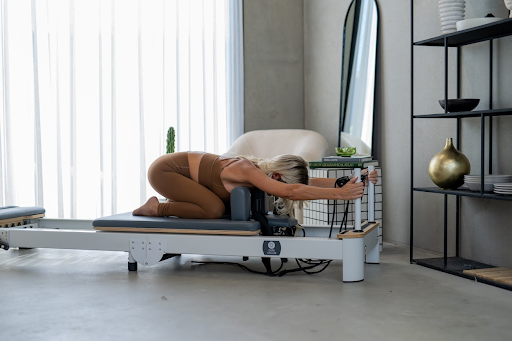
This is why some mums explore training on a Pilates reformer machine with a controlled resistance and guided movement, particularly when studio schedules no longer fit family life. The structure helps maintain quality even on tired days.
Core Strength That Carries Into Real Life
Core strength is often discussed after pregnancy, but it continues to matter long after that stage. Stress, posture, and long hours sitting or standing all affect how the body feels.
Pilates approaches core strength in a quieter way. Movements begin from the centre and extend outward. Over time, that connection becomes more natural.
Many women notice changes outside workouts first. Standing feels steadier. Getting up from the floor feels easier. Every day movements feel less rushed.
When Quiet Progress Starts to Matter More Than Results
One thing that often surprises mums about low-impact training is how progress starts to feel different. There are fewer obvious milestones. No sudden jumps in strength. No dramatic moments that demand attention. Instead, change shows up slowly.
You notice it when movements feel smoother. When balance improves without effort. When everyday tasks stop feeling like something you need to brace for. There is less tension in the body, even on busy days.
This kind of progress can be easy to overlook, especially if you are used to workouts that measure success loudly. But over time, it becomes meaningful. Strength feels more reliable. Movement feels more natural. Confidence grows quietly.
For many mums, this shift removes pressure. Fitness stops being about chasing outcomes and starts becoming something that supports life as it is. That change alone makes it easier to keep going.
When Motivation Comes From How the Body Feels
One thing many mums notice with low-impact training is how motivation changes. It no longer comes from music, group energy, or someone telling you to push harder. It comes later.
You notice it when you get out of bed, and your back does not feel stiff, when you carry groceries without thinking about it. When you sit on the floor with your kids and stand up again without bracing yourself first.
Such moments are not dramatic, yet they have a point. They silently reiterate the message that motion is aiding and not stealing. Workout ceases to be an individual activity and begins to become part of life.
Why Low-Impact Training Is Easier to Keep Coming Back To
Most fitness plans fail in consistency. Classes or activities with lengthy sessions or rigorous recovery are difficult to sustain with employment, family, and all the other things.
The low-impact training is more likely to fit into the actual routine. Sessions can be shorter. Recovery feels manageable. Missing a workout does not feel like failure.
That makes it easier to return. And returning regularly matters more than any single workout.
Fitness That Adjusts as Life Changes
Bodies change. Energy changes. Priorities shift. What feels right one year may not feel right the next.
Pilates adapts well to those changes. Exercises can be modified without starting over completely. Some days feel strong. Other days feel slower.
Why This Shift Is Happening Now
In Australia, increased numbers of mums are doubting the notion that exercises should make you feel tired in order to be efficient. Burnout is no longer something to aspire to.
An increasing number are attracted to a movement that facilitates everyday life, and is not in competition with it. The Pilates is an extension of that line of thought.
Redefining What Staying Fit Really Means
For many mums, staying fit no longer means chasing goals or ticking boxes. It means feeling steady. Feeling supported. Feeling comfortable in your body.
Low-impact strength training offers that without demanding perfection. It works quietly, in the background, alongside real life.
Why This Approach Is Sticking
This shift toward low-impact strength is not about trends. It is about experience.
Pilates offers structure without pressure. Strength without strain. Progress without burnout.
For mums moving through different life stages, that balance is often what makes fitness feel possible again.
New Oceanfront Pilates Studio in Vaucluse: Discover At The Barre


