
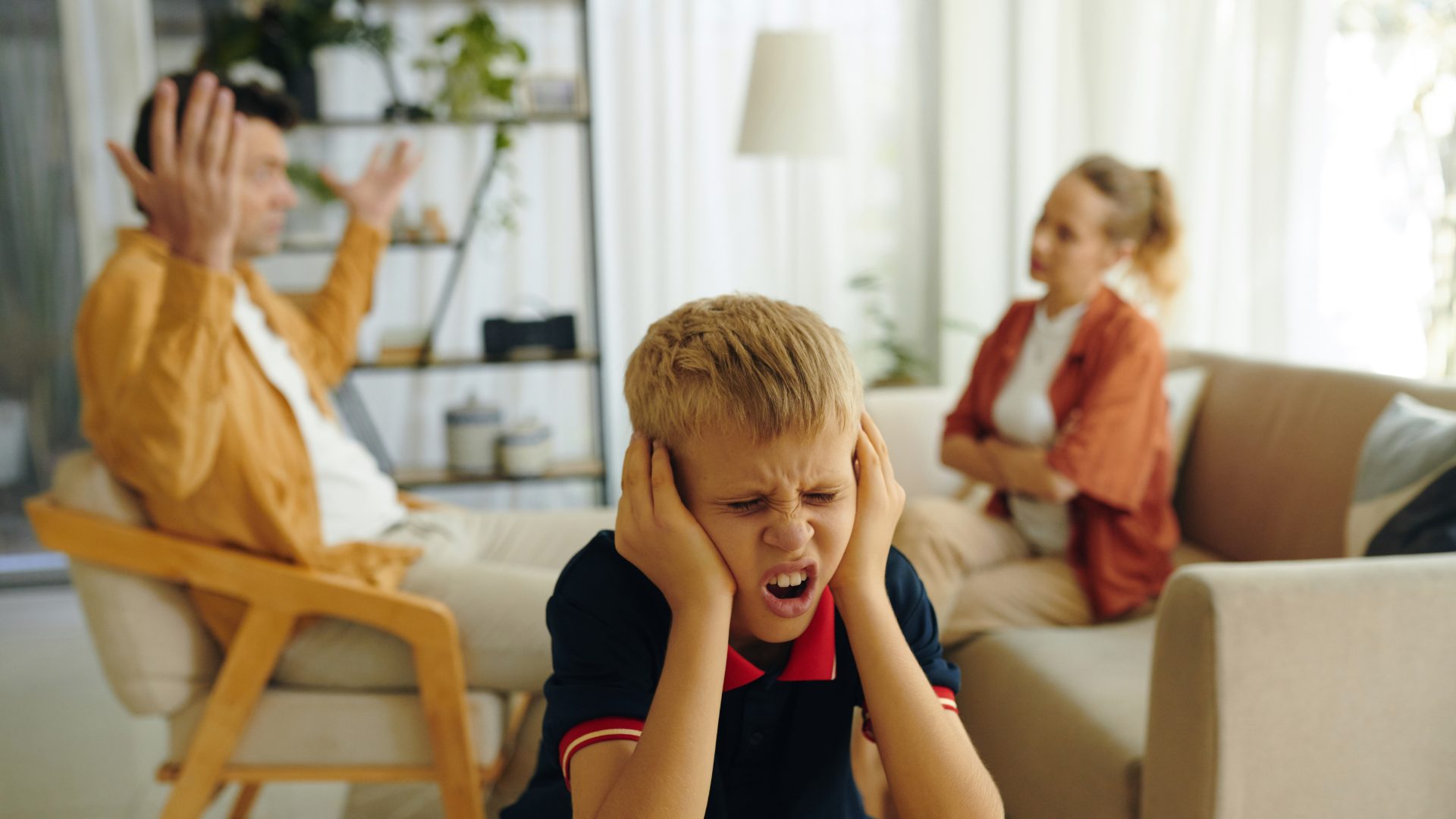
Teaching kids to be respectful and handle conflict is one of the most valuable things you can do as a parent. These skills benefit society as a whole. But on an individual level, they shape how your children treat others, help them to manage their emotions, and enable them to move through the world more smoothly as they grow.
We are regularly contacted by mums in the Eastern Suburbs who are looking for simple ways to instil positive behaviour within their kids. That is why we have decided to put together this post.
In it, we’ll highlight eight practical, gentle, and achievable tips you can embrace to teach your kids to show respect and resolve conflicts in a healthy way. Hopefully, you’ll find it a useful resource to draw upon when needed.
 1. Set simple and clear expectations at home
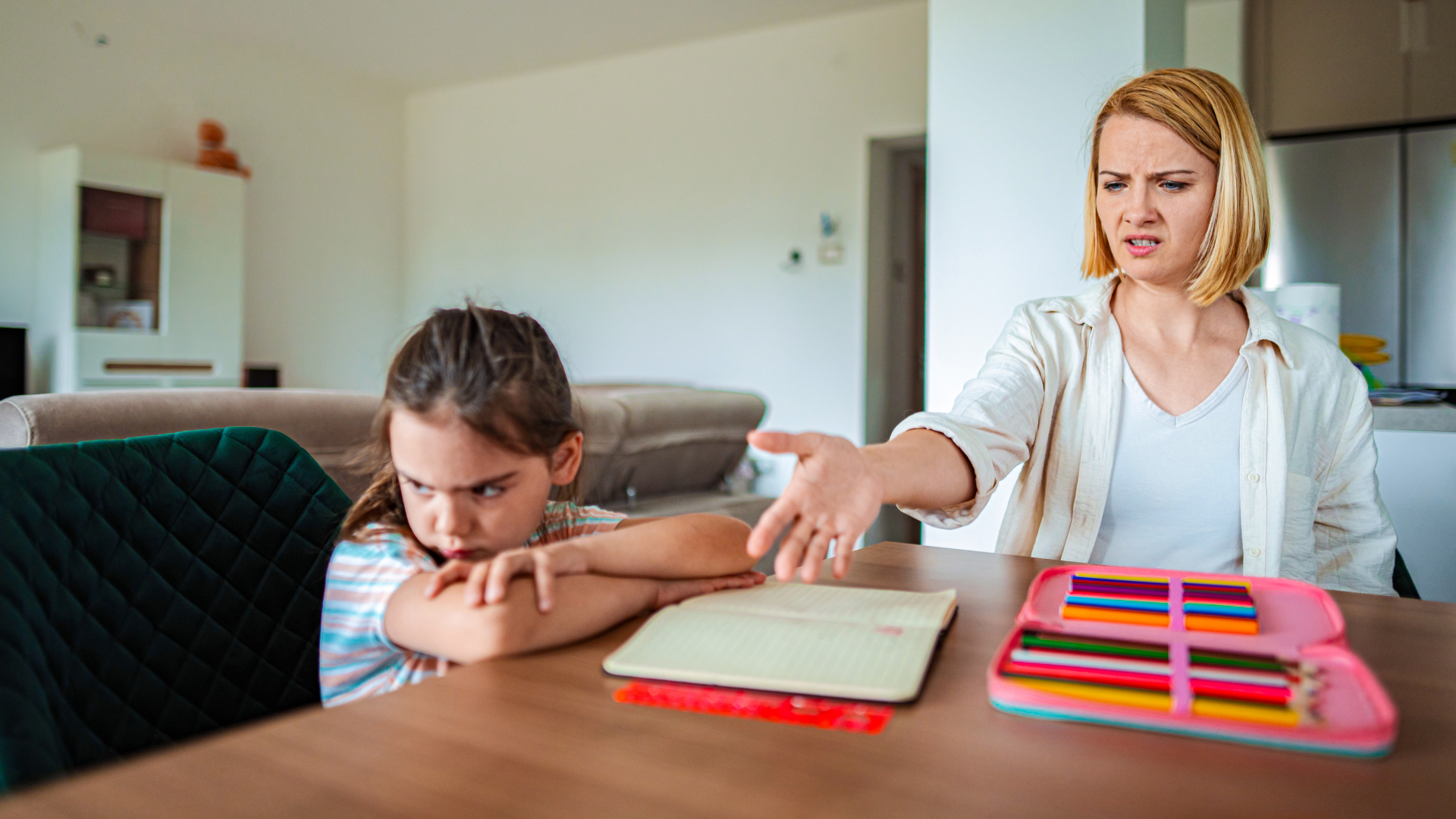
It is important for children to know that you want them to be respectful and deal with conflict in a mature way. So, make sure you outline clear rules of the behaviour you want to follow.
Doing this will give your children firm guidelines of what is expected of them. Depending on their age, this could range from “use kind hands” and “take turns speaking” to “asking before borrowing” and “helping others”.
If you give your children some clear guidelines to work with, they are more likely to follow them.
2. Lead by example
Children are sponges and often learn their behaviour from their parents. They watch their tone, patience, body language, and how you respond during stressful moments. When you speak gently and stay calm, your child will do the same. That is why, as their mother (or father), it is vital to be seen to treat other people as you would want your children to.
You can’t expect your kids to be respectful to others or to resolve conflicts easily if you aren’t able to yourself. Therefore, before you do anything else, you must focus on your own behaviour first to provide them with a good example to follow.
- Show them consequences
It is important for children to know that actions have consequences. So, don’t be afraid to punish them if they persistently disrespect others. For youngsters, this could include giving them a time-out or not allowing them to play with their favourite toys. If they are older, you can consider grounding them or removing privileges, such as internet access.
Sometimes, especially among peers, teenagers might try to resolve conflicts through acts of aggression. While some parents might think there’s nothing wrong with a “bit of biffo”, so long as it is not taken too far, it is important for your child to know that they could be in trouble with the authorities if things do escalate and someone gets hurt.
For this reason, it is worth running them through assault offence defence. This should make them appreciate that what they may do in the heat of the moment might affect their life in the future.
- Praise respectful behaviour when you see it
One of the best ways to teach your child to be respectful is to praise them when they are being so.
Effective praise has been proven to be an efficacious way to teach and motivate children. That is why positive parenting affirmations, such as saying “That was very kind” or “I loved how you shared just then”, are very important. It can go a long way towards boosting their confidence.
This approach can strengthen the levels of positive behaviour and respectful habits your child displays. Indeed, parents often find that praise works well for children who need a little more reassurance during emotional moments.
- Encourage your child to communicate in a kind and thoughtful way
Good communication is an excellent way to reduce the risk of conflict. Therefore, it is a good idea to teach your children how to express themselves calmly from a young age.
Some good ways to do this include:
- Guiding them by slowing down conversations
- Asking gentle questions
- Giving them time to form their thoughts
- Showing them how to take turns and listen
Doing this will help your children build their conflict-resolution skills and give them a strong foundation for developing good friendships and interactions within the local community.
- Teach kids to identify their feelings
Your child should find it much easier to manage conflict when they recognise what they feel. A clever way to help them do this is to label emotions they can identify with. This will help them build their ability to regulate their emotions.
Offering a gentle prompt, such as “Are you feeling worried?” or “Do you feel frustrated?”, gives them language to express themselves later in life.
Children who understand their feelings often show stronger resilience. They also tend to negotiate disagreements with more control and clarity.
- Guide kids through conflict step-by-step
Conflict resolution is a skill that is learned slowly over time. However, you can expedite this process for your child by teaching them these simple steps:
- Pause
- Breathe
- Explain what happened
- Listen to the other person
- Work toward a fair solution
Children who learn to solve problems calmly usually feel more confident in social situations. Where possible, walk your child through these steps as and when appropriate.
- Know when extra support can help
Sometimes children need a little more guidance than just effective parenting. If you notice they are experiencing ongoing frustration, frequent conflict at school, or difficulty expressing emotions, these signs may indicate they could benefit from extra support.
Many parents find it beneficial to speak with teachers, school counsellors, or child behaviour specialists. Additionally, reaching out for professional support can also be a good idea. They can provide you with structured strategies that can really benefit your child.


