
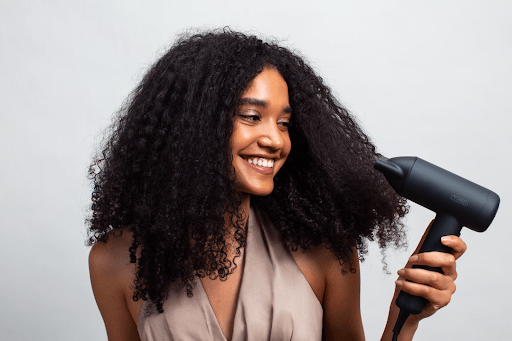
As a mum living in Sydney’s Eastern Suburbs, I know firsthand how easy it is to let your own hair care slide to the bottom of the priority list. Between school runs, work commitments, and keeping tiny humans alive, who has time to worry about split ends? But here’s the thing – taking care of your hair doesn’t have to be complicated or time-consuming. After years of neglecting my own hair and finally figuring out what actually works, I’ve learned that healthy hair comes down to understanding a few key principles. Let me share what really matters when it comes to hair health, without the fluff or unrealistic salon-perfect expectations.
Understanding What Your Hair Actually Needs
The Building Blocks of Healthy Hair
Your hair is actually quite simple when you break it down. Each strand has a protective outer layer called the cuticle, which acts like roof tiles overlapping each other. When these tiles lie flat, your hair looks shiny and feels smooth. When they’re damaged and lifted, your hair looks dull and feels rough. Most of the damage we see – frizz, breakage, dryness – happens when this protective layer gets compromised.
Environmental factors play a huge role here. Living near the beach means salt water and UV exposure. Using heat styling tools every morning adds up. Chemical treatments like colouring or straightening can weaken the hair structure. Even our lifestyle choices matter more than we think. Stress, poor sleep, and nutritional deficiencies all show up in our hair eventually.
Signs Your Hair Is Telling You Something
Learning to read what your hair needs is half the battle. Is it breaking off easily when you brush it? That’s often a sign of protein deficiency or excessive damage. Does it feel like straw no matter how much conditioner you use? You might be dealing with severe moisture loss. Are the ends splitting despite regular trims? Your hair is likely crying out for better protection and nourishment.
The truth is, there’s no one-size-fits-all approach to hair care. What works for your friend with fine, straight hair won’t necessarily work for you if you have thick, wavy locks. Your hair’s needs also change over time – pregnancy, stress, hormones, and even the seasons affect how your hair behaves.
Key Ingredients That Make a Real Difference
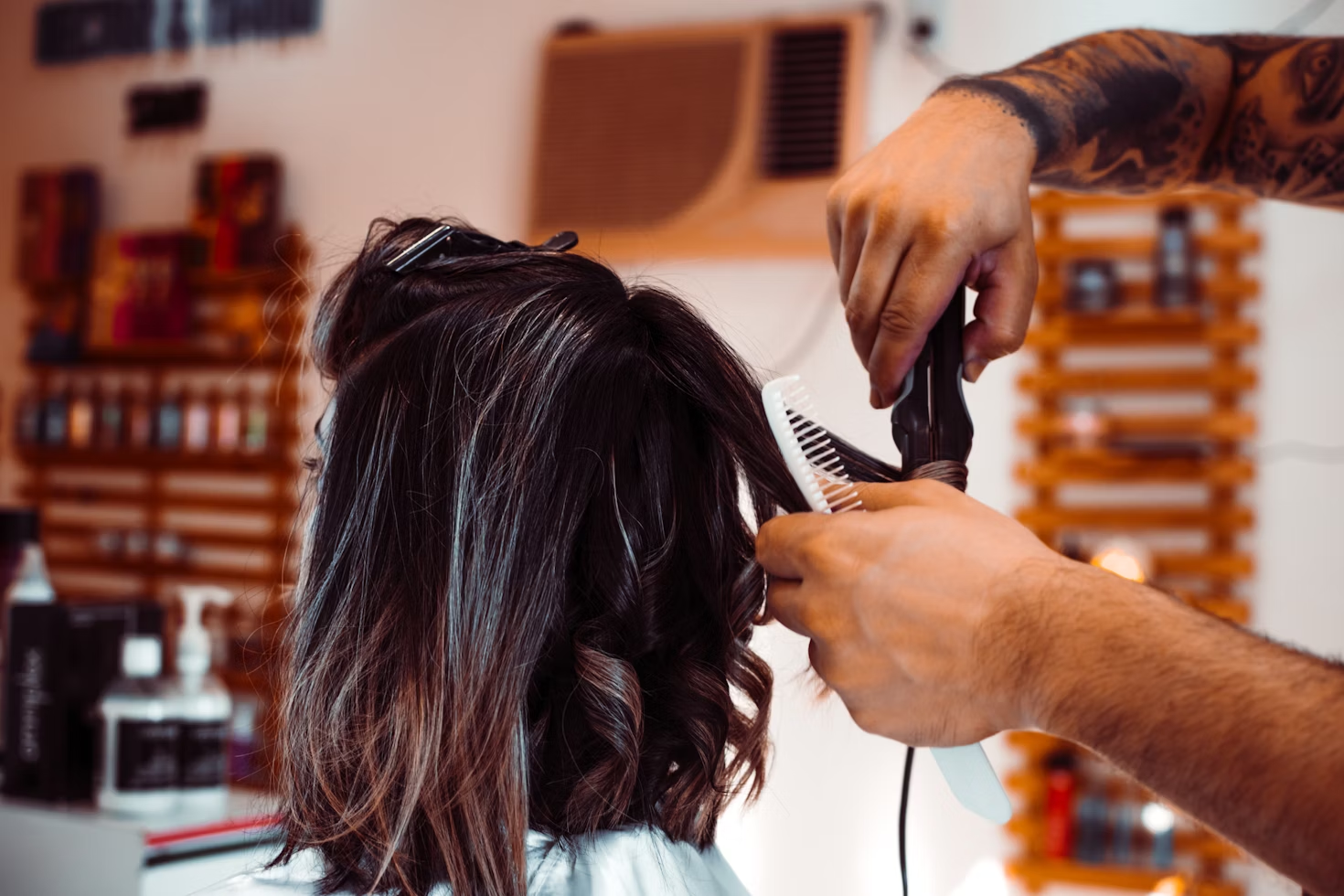 This is where things get interesting. Not all hair products are created equal, and understanding which ingredients actually benefit your hair can save you time and money.
Natural Oils and Why They Work
Argan oil has become a star ingredient in hair care for good reason. This Moroccan oil is packed with fatty acids and vitamin E that penetrate the hair shaft rather than just sitting on top. It helps repair damage from the inside out while adding shine and manageability. Quality products containing argan oil, like professional-grade moroccanoil treatments, work because they use concentrated, pure forms of these beneficial ingredients rather than diluted versions.
The difference between cheap oils and quality formulations really matters. Pure argan oil and properly formulated treatments absorb better, last longer, and deliver visible results faster. I learned this the hard way after wasting money on products that promised the world but delivered little.
Proteins and Moisture Balance
Here’s something most people don’t know – your hair needs both protein and moisture, but in the right balance. Too much protein makes hair stiff and brittle. Too much moisture makes it limp and weak. Healthy hair sits somewhere in the middle.
Keratin, the protein that makes up your hair, can be supplemented through treatments when your hair is damaged. These protein treatments temporarily fill in gaps in the hair structure, making it stronger and more resilient. But you need to follow up with moisture to keep things balanced. If your hair feels gummy or stretchy when wet, you need more protein. If it snaps easily, you need more moisture.
Daily Habits That Protect Your Hair
Small daily habits make the biggest difference to your hair health over time. It’s not about doing everything perfectly – it’s about being consistent with a few key practices.
The Morning Routine That Works
Start with gentle brushing. Use a wide-tooth comb or a brush designed to detangle without pulling. Always start from the ends and work your way up – this prevents unnecessary breakage and saves you time in the long run.
When you’re styling in a rush, apply a heat protectant before using any hot tools. This creates a barrier between your hair and the heat, preventing long-term damage. Even if you’re just doing a quick straighten before the school run, that protection matters.
If you can, embrace protective styles. A neat bun or braid isn’t just practical – it actually protects your hair from environmental damage throughout the day. Your hair isn’t rubbing against your clothes, getting tangled in the wind, or exposed to harsh sun.
Nighttime Care for Better Morning Hair
This is the easiest change you can make. Switch to a silk or satin pillowcase. Cotton pillowcases create friction that roughs up your hair cuticle while you sleep. Silk or satin lets your hair glide smoothly, meaning you wake up with less frizz and tangles.
If your hair is long or prone to tangling, loosely braid it before bed. Don’t make it tight – that causes breakage at the hairline. Just a loose plait keeps everything in place.
Treatment Strategies for Damaged Hair
When to Use Deep Conditioning Treatments
If your hair is in good condition, a weekly deep treatment is plenty. If it’s damaged, you might need intensive treatments twice a week until you see improvement. The key is consistency rather than occasional heroic efforts.
Deep treatments work differently from regular conditioners. They’re formulated to penetrate deeper and stay on longer. Leave them on while you do bath time with the kids or catch up on emails. That extra time makes a real difference.
Repairing vs. Preventing Damage
Here’s the honest truth – severely damaged hair can’t be fully repaired. Those frayed ends need to be cut eventually. But you can improve the appearance and prevent further damage with the right approach.
For beach-loving Sydney families, this is crucial. Wet your hair with fresh water before swimming. This simple step means your hair absorbs less salt water or chlorine. Use a leave-in treatment with UV protection during summer. Think of it as sunscreen for your hair.
Making Hair Care Work with Your Real Life
Time-Saving Strategies That Don’t Compromise Results
The secret to maintaining healthy hair as a busy mum is finding products that do multiple jobs well. A good leave-in treatment can work as a heat protectant, detangler, and styling aid all at once. That’s three steps in one product.
Focus your time and money on what makes the biggest impact. A quality shampoo and treatment are worth investing in. That fancy hair mask you’ll use once a month? Maybe not so much.
Sustainable Habits for Long-Term Hair Health
Build a routine that fits your actual life, not an idealized version of it. If you know you won’t do a hair mask every week, don’t buy twelve of them. If you can commit to one thing, make it using a good treatment product consistently.
Your hair health journey is ongoing. What works now might need adjusting in six months. Hormones change, stress levels fluctuate, and your hair responds accordingly. Stay flexible and keep listening to what your hair tells you.
Conclusion
Healthy hair isn’t about following complicated routines or buying every trendy product. It comes down to understanding your hair’s needs, using quality ingredients that actually work, protecting your hair through simple daily habits, and building a sustainable routine that fits your real life. Start with one change this week – maybe switching your pillowcase or adding a proper treatment to your routine. Small steps add up to beautiful, healthy hair, even when life is chaotic.

How Milkshake Hair Products Help Repair Dry and Damaged Hair


