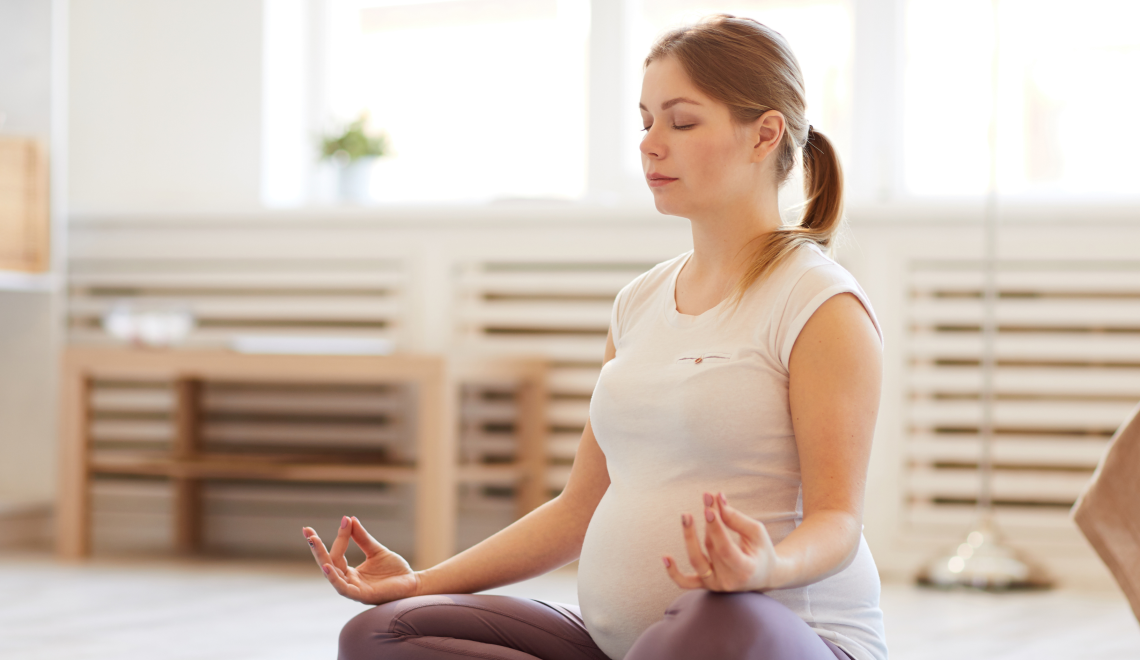
Let’s be honest—being a mum in the Eastern Suburbs means juggling a million things at once. Between school drop-offs, after-school activities, work commitments, meal planning, and keeping the household running, there’s precious little time left for yourself. Most days, you’re lucky if you manage a hot cup of coffee, let alone a moment of genuine peace.
But here’s what we’re learning: taking care of ourselves isn’t selfish—it’s essential. When we’re running on empty, everything suffers. Our patience wears thin. Our energy depletes. Even the joy we find in our families can feel harder to access when we’re exhausted and overwhelmed.
This isn’t about adding more to your already overflowing plate. It’s about making small, intentional changes that transform your home into a true sanctuary—a place where you can actually recharge instead of just collapse. It’s about creating pockets of peace within the beautiful chaos of family life, and discovering that self-care doesn’t have to mean escaping somewhere else. Sometimes the best sanctuary is the one you build right where you are.
The Mental Load: Why Mums Need Sanctuary More Than Ever
Recent research into the “mental load” carried predominantly by mothers has finally given a name to something we’ve all felt but struggled to articulate. It’s not just the physical tasks of running a household—it’s the constant mental checklist running in the background of everything else we do.
Did I pack the library books? When’s the next dental appointment? We need milk. Someone needs new school shoes. What’s for dinner tomorrow? Is it someone’s birthday this week? The mental load never switches off, and it’s exhausting in ways that are hard to explain to people who don’t carry it.
This constant state of mental alertness takes a genuine toll. Studies show that chronic stress affects everything from our sleep quality to our immune function, our relationships to our mental health. Creating sanctuary spaces in our homes isn’t about Instagram-perfect aesthetics—it’s about intentionally designing areas and routines that help us regulate our nervous systems, quiet the mental chatter, and reconnect with ourselves.
Redesigning Your Living Spaces for Peace
Our homes should be refuges, but often they feel more like command centers—functional spaces organized around everyone else’s needs while our own go unmet. The good news? Small intentional changes can dramatically shift how a space feels.
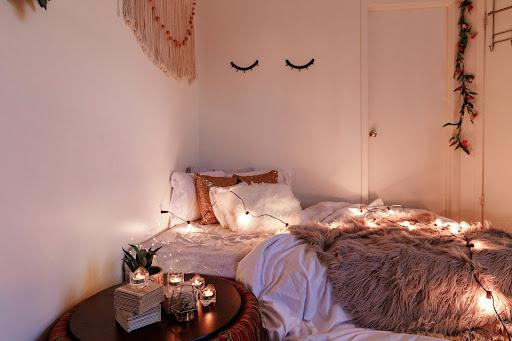
Start by identifying one area—just one—that could become your personal retreat. This doesn’t require a whole spare room. It might be a corner of your bedroom, a section of the living room that’s yours after the kids are in bed, or even a redesigned outdoor area.
The key is making this space truly restorative. Think about what helps you unwind. Some women need complete quiet. Others find soft background music essential. Some crave warmth and coziness while others want fresh air and openness. There’s no right answer—only what works for you.
Lighting makes an enormous difference to how spaces feel. Harsh overhead lights keep us alert and slightly on edge. Layered lighting with softer options transforms the same space into something that helps rather than hinders relaxation.
Temperature matters more than we often realize. Being slightly too cold or too warm prevents us from fully relaxing. Our bodies need to feel comfortable before our minds can quiet down. If you have a space that’s perfect in summer but unusable in winter, you’re limiting your sanctuary to only half the year.
This is where thoughtful investments in comfort pay real dividends. For outdoor entertaining areas or covered patios that could become evening retreats, gas fireplaces offer instant warmth without the maintenance demands of wood-burning options. They create that primal comfort of gathering around flame and warmth—something that helps humans relax at a biological level—while being practical enough for busy mums who don’t have time for elaborate fire-building routines.
The beauty of making outdoor spaces genuinely comfortable year-round is that they offer something indoor spaces can’t: a change of environment without leaving home. Sometimes just moving from inside to outside resets our mental state, gives us fresh perspective, and provides the break we need without requiring childcare arrangements or travel time.

The Physical Foundation: Why Your Body Needs Attention Too
Here’s something we don’t talk about enough: motherhood is physically demanding in ways that don’t end when kids stop needing to be carried. The tension we hold in our shoulders from stress, the back pain from hunching over laptops or doing housework, the headaches from clenched jaws—our bodies keep the score of our stress levels.
Many of us have learned to ignore physical discomfort. We push through because there’s always something more urgent than our own aches and pains. But chronic physical tension doesn’t just hurt—it perpetuates the stress cycle. When our bodies are tight and painful, our nervous systems interpret that as threat, keeping us in that alert, stressed state even when we’re trying to relax.
Breaking this cycle requires addressing the physical component directly. Professional massage is wonderful but realistically, between the cost and time commitment and need for childcare, it’s not a sustainable regular solution for most of us.
This is where strategic investment in home wellness makes sense. A quality massage chair positioned in your sanctuary space—whether that’s a bedroom corner, a home office, or a covered outdoor area—provides accessible relief exactly when you need it. Modern massage chairs aren’t like the gimmicky mall versions from decades ago; they’re sophisticated wellness tools designed around the science of how human bodies hold and release tension.
The value isn’t just in the immediate relief. It’s in the accessibility. When physical tension relief is available in your own home without scheduling or traveling or arranging childcare, you actually use it. It becomes part of your routine rather than an occasional treat. And consistent attention to physical tension breaks the stress cycle more effectively than sporadic interventions ever could.
Plus, there’s something psychologically powerful about having a dedicated space and tool for your own care. It signals to yourself—and to your family—that your wellbeing matters. It creates permission to actually take those fifteen minutes for yourself without guilt.

The Internal Reset: Supporting Your Body’s Natural Rhythms
Physical tension is one aspect of feeling rundown, but many mums struggle with energy, sleep, and overall wellbeing in ways that go deeper than simple tiredness. When we’re constantly running, we often fuel ourselves with whatever’s quick and convenient. Coffee to wake up, sugar for the afternoon slump, wine to wind down—patterns that provide immediate relief while undermining our actual energy and health over time.
Our digestion, sleep, energy levels, mood, and even how clearly we think are all interconnected through our body’s complex systems. When we’re not feeling our best, it’s often because these systems are overwhelmed and out of balance. But the solution isn’t necessarily complicated—sometimes our bodies just need a reset.
This is where many mums are discovering the value of structured cleanse programs that support the body’s natural detoxification processes. Not extreme deprivation diets or punishing regimens, but thoughtfully designed approaches that give your system a break from the constant processing of less-than-ideal food choices.
Programs like the 14 day reset cleanse appeal particularly to busy mums because they’re time-bound and structured. You’re not committing to forever—just two weeks of prioritizing your physical health in a focused way. And for many women, that structured approach actually makes it easier than trying to implement gradual changes that can drag on indefinitely without clear endpoints or results.
The benefits often extend beyond the physical. When you complete something focused on your own wellbeing, there’s a psychological boost that comes with it. You’ve proven to yourself that you can prioritize your health even amid the demands of family life. That confidence and sense of agency matters enormously for mental health and overall life satisfaction.
Plus, the energy and mental clarity that comes from supporting your body’s natural processes creates a positive feedback loop. When you feel physically better, you have more patience, more creativity, more capacity for the demands of daily life. You’re not just surviving—you’re actually thriving, which benefits everyone around you too.

Creating Rituals, Not Just Routines
The difference between routines and rituals is intention and meaning. Routines are functional—brush teeth, pack lunches, do laundry. Rituals are intentional practices that nourish us, even when they involve simple actions.
Your morning coffee can be just caffeine delivery, or it can be five minutes of genuine quiet before the household erupts. The difference isn’t what you’re doing but how present you are while doing it. Can you sit rather than stand? Can you put your phone away and actually taste the coffee?
Evening transitions matter enormously for winding down but often get lost in the dinner-homework-bedtime chaos. What if you built in fifteen minutes after kids are in bed that’s specifically for shifting gears? This might be when you retreat to that sanctuary space you’ve created, when you use your massage chair, when you step outside for fresh air, or when you do gentle stretching.
The point isn’t adding more obligations to your day. It’s recognizing the transitional moments that already exist and making them work for you instead of just racing through them. Research on habit formation shows that attaching new practices to existing transitions makes them more likely to stick than trying to find random “spare” time that never actually materializes.
Weekends deserve their own rituals too. Maybe Saturday morning includes thirty minutes that’s non-negotiable you-time. Maybe Sunday evening includes a reset practice that helps you transition into the week feeling prepared rather than anxious.
The specifics matter less than the consistency and the intention. You’re teaching yourself—and modeling for your children—that caring for yourself isn’t optional or self-indulgent. It’s a necessary part of being able to show up fully for everything life demands.
Managing Guilt: The Hidden Obstacle to Self-Care
Let’s address the elephant in the room: maternal guilt. Many of us intellectually understand that self-care is important, but emotionally, we struggle to prioritize ourselves. Every minute spent on our own wellbeing can feel like time taken from our children, our partners, our responsibilities.
This guilt is culturally reinforced through countless messages about maternal sacrifice and always putting family first. But here’s the truth those messages miss: burnt-out, depleted mothers aren’t actually serving their families well. We’re irritable, impatient, less present, less creative, less joyful.
What we’re actually modeling matters enormously. Our children are watching how we treat ourselves, and they’re learning what to expect for themselves. Do we want our daughters to grow up believing that their needs always come last? Do we want our sons to expect the women in their lives to be endlessly self-sacrificing?
Reframing self-care from selfish indulgence to necessary maintenance helps combat guilt. You wouldn’t feel guilty about sleeping, eating, or breathing. Physical and mental restoration deserves the same status—these aren’t luxuries but requirements for functioning well.
Clear communication with family about your needs is crucial too. Partners and children can’t read our minds. When we martyr ourselves silently, we build resentment while teaching them that our wellbeing doesn’t require consideration. Kids can learn to respect boundaries. Partners can step up when they understand what’s needed.
Practical Implementation: Starting Small
If you’re feeling overwhelmed by the idea of creating sanctuary spaces and implementing self-care practices, start impossibly small. Pick literally one thing and make it happen this week. Not five things. One.
Maybe it’s identifying the corner of your bedroom that could become your retreat space and moving a comfortable chair there. Maybe it’s buying the candle whose scent makes you happy and lighting it for ten minutes before bed. Maybe it’s putting your phone on silent for the first thirty minutes after the kids go to bed.
Track what actually helps. Some self-care advice that works wonderfully for others might do nothing for you, and that’s fine. The goal is discovering what genuinely restores your energy and peace, not following someone else’s prescription.
Enlist support where possible. If your partner, older children, or nearby family can support your sanctuary time by covering responsibilities, ask specifically for what you need. “I need thirty minutes on Saturday morning where I’m completely off-duty” is clearer and more actionable than vague wishes.
The Ripple Effect: How Your Wellbeing Serves Your Family
When mothers prioritize their own restoration and wellbeing, everyone benefits. This isn’t theoretical—it’s measurable in family dynamics, children’s emotional development, and overall household harmony.
Well-rested, emotionally regulated mothers respond to challenges with more patience and creativity. We’re more present during the good moments, better able to enjoy our children rather than just managing them. We have capacity for spontaneity and playfulness instead of running on fumes and irritability.
Our physical health improves when we address stress and tension, which means fewer sick days, more energy, and better modeling of healthy lifestyle habits for our children. Mental health improvements benefit not just ourselves but our relationships—with partners, children, friends, and extended family.
Perhaps most importantly, we’re teaching the next generation what balanced living looks like. We’re showing them that adults need rest, that maintaining health and wellbeing is important, and that taking care of yourself enables you to show up better for others.
This isn’t selfish—it’s sustainable. And sustainability is what allows us to be the mothers, partners, friends, and people we actually want to be over the long term.
Moving Forward: Your Permission Slip
If you’ve been waiting for permission to prioritize your own wellbeing, consider this it. You don’t need to earn restoration through enough productivity. You don’t need to wait until everything else is handled (it never will be). You don’t need to feel guilty for being human and needing care.
Creating sanctuary—whether through physical spaces in your home, practices that support your body’s wellbeing, or simply deciding that your peace matters—isn’t about perfection. It’s about consistently choosing yourself alongside your family, not instead of them.
Start somewhere. Start small if you need to, but start. Your future self—more rested, less frazzled, more present, more joyful—will thank you. And your family will benefit from having you show up as your best self rather than your most depleted one.
The chaos of family life isn’t going anywhere. But you can create islands of peace within it. You can build practices and spaces that restore rather than deplete you. You can learn to care for yourself with the same dedication you bring to caring for everyone else.
You deserve your own sanctuary. And creating it isn’t a someday dream—it’s a today decision.