
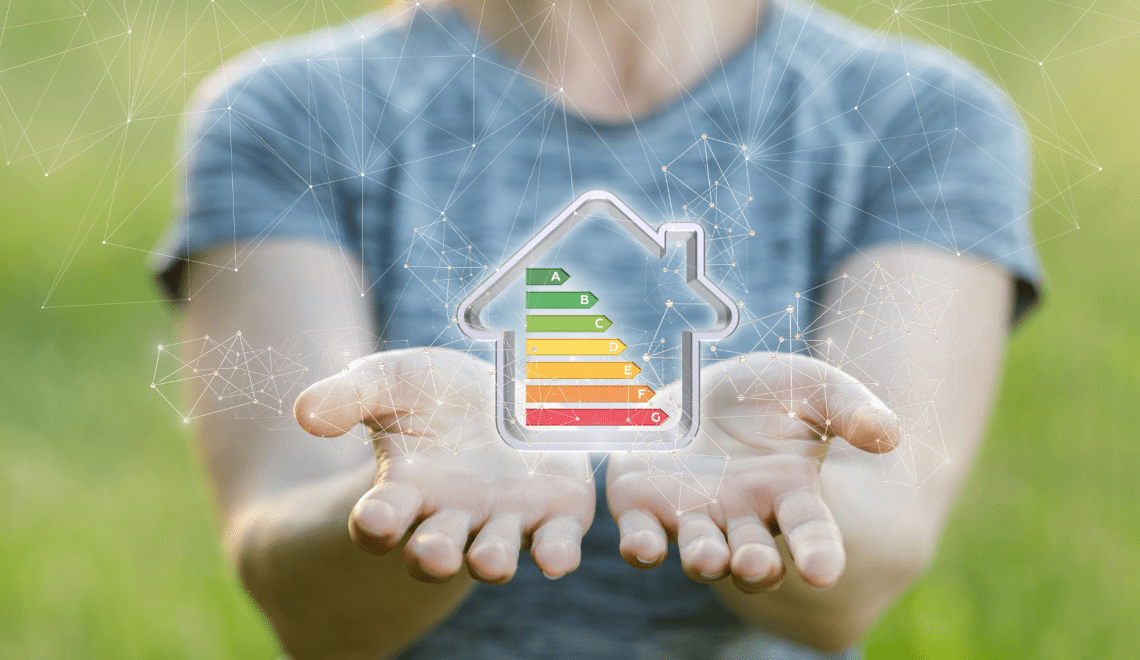
Managing household energy is easier than ever, and small changes—like switching to LED bulbs or sealing air leaks—can cut costs, reduce your carbon footprint, and make your home more sustainable and comfortable.
Why Energy Efficiency Matters
Energy efficiency isn’t just about reducing utility bills. It also positively impacts the environment and can boost your home’s value. Discover how these elements make an energy-efficient lifestyle an attractive choice.
Impact on Your Wallet
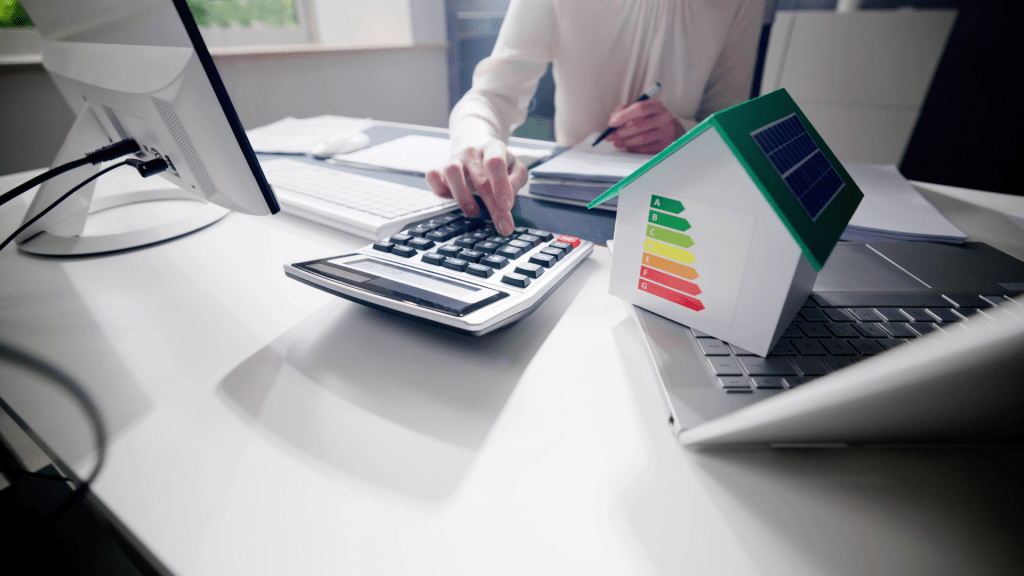
Energy-efficient appliances often cost more upfront but reduce bills over time. In the UK, the EU Energy Label helps identify low-consumption models such as A-rated refrigerators, LED bulbs, and programmable thermostats.
You might also qualify for rebates or tax credits when you make energy-efficient upgrades. Check local and federal programs for opportunities to lessen your financial burden. Monthly savings accumulate, providing you with more disposable income.
Shifting to energy efficiency also safeguards against future utility rate hikes. By reducing dependence on electricity and gas, you keep your expenses predictable. This makes budgeting easier, minimising stressful surprises each month.
Environmental Benefits
Energy efficiency is a helpful choice for those looking to reduce their carbon footprint. Lower energy usage contributes to reduced greenhouse gas emissions, fighting climate change. By making mindful choices, such as using solar panels or efficient water heaters, you contribute positively to the planet.
Using less energy conserves natural resources. While one home’s impact is small, collective action significantly reduces emissions and supports long-term environmental preservation.
Many energy-efficient products are designed with sustainable materials and longer lifespans, which reduces waste and resource use in manufacturing. These choices contribute to lower household emissions and wider efforts in global sustainability.
Long-Term Home Value
Energy efficiency isn’t just an immediate benefit; it also contributes to long-term home value. Homes with energy-efficient features often stand out in the real estate market. Buyers are willing to pay a premium for houses with lower energy costs and sustainable features.
Making these upgrades can also result in a faster sale. Potential buyers appreciate reduced future expenses and a more environmentally friendly lifestyle. So, energy efficiency not only enriches your current living experience but can also improve your financial future.
Technology and modern home designs focus more on sustainability. Homes lacking these features may become outdated more quickly. Ensuring your home maintains current energy standards makes it appealing and competitive in the housing market.
Simple Swaps for a Greener Home
Making your home more energy-efficient is simpler than you might think. By choosing the right appliances, lighting, and fixtures, you can save energy and reduce utility bills.
Power-Saving Appliances
Switch to energy-efficient appliances to cut power consumption. Look for the EU Energy Label, which ensures optimal performance with lower energy use. Consider replacing old refrigerators, washing machines, and dishwashers with energy-saving models. These appliances often pay for themselves over time with the savings they provide.
Smart appliances are another effective choice. Features like programmable thermostats and energy monitors let you manage usage efficiently. Invest in a smart power strip to cut off electricity to devices in standby mode, reducing wasted energy.
Smarter Lighting Solutions
Lighting accounts for a significant portion of your electricity bill. By opting for LED bulbs, you can use up to 75% less energy than traditional incandescent bulbs. LEDs also last much longer, reducing the frequency of replacements and waste.
Dimmers and motion sensors are excellent additions to your lighting setup. They offer control over brightness levels and ensure lights are only on when needed. This conserves energy without sacrificing comfort. Plus, choosing fixtures with energy-efficient designs can contribute further to saving electricity.
Energy-Efficient Windows and Doors
Upgrading to double-glazed windows and insulated doors improves efficiency by reducing heat loss, keeping homes warmer in winter and cooler in summer. Adding weather stripping further prevents drafts, saving energy while maintaining indoor comfort.
Upgrading to double- or triple-glazed windows and well-insulated doors reduces heat loss, lowering both energy use and carbon emissions. In the UK, grants or local authority schemes may be available to support the cost of these improvements.
Smart Habits for Every Day
Incorporating energy-efficient practices into your daily routine can significantly reduce your home’s energy consumption. Focus on eliminating phantom power, optimising heating and cooling, conserving water, and using seasonal checklists to guide you.
Reducing Phantom Power
Phantom power, or standby power, is the electricity consumed by inactive devices. Unplug chargers, TVs, and computers when not in use, or use a power strip with a switch to cut power to several devices at once.
Smart plugs are a fantastic choice for automating this process. These gadgets can turn off devices at scheduled times, ensuring electricity isn’t wasted during overnight hours or when you’re at work. Spend a little time assessing which devices in your home are heavy phantom power users and take steps to manage them.
Mindful Heating and Cooling
Being smart about heating and cooling is crucial for energy efficiency. Set your thermostat to a slightly lower temperature in winter and a higher one in summer. Even a degree or two can make a substantial difference in energy use. Programmable thermostats allow you to schedule temperature changes based on when you’re home, at work, or sleeping.
Ceiling fans can help with even air distribution, letting you keep your thermostat at more energy-saving settings. Remember to regularly clean and replace air filters to increase the efficiency of your heating and cooling systems. Maintenance ensures systems run efficiently, thus reducing unnecessary energy demand.
Eco-Friendly Water Use
Conserving water goes beyond turning off taps. Insulate your hot water cylinder and set the thermostat to 60°C for efficiency and safety. Low-flow showerheads and taps also cut water use significantly without reducing pressure.
Fix leaks as soon as you notice them. A small drip might not seem significant, but it can add up over time. Implementing water-efficient practices extends beyond saving water—it’s about using hot water wisely, which in turn reduces energy consumption.
Seasonal Energy Checklists
Seasonal energy checklists help manage use year-round. In winter, seal drafts and use heavy curtains. In summer, blinds or shutters provide shade and cooling, cutting reliance on heating and air conditioning.
When spring or fall comes around, it’s a great time to look over your heating and cooling systems. Regular maintenance ensures these systems are ready for the season ahead. This proactive approach keeps your home comfortable year-round while cutting down on unnecessary energy costs.
Taking the Next Step: Upgrades That Pay Off
Making your home energy-efficient not only saves on bills but also reduces your environmental footprint. Key upgrades like enhancing your insulation, utilising renewable energy sources, and implementing smart home technology can offer significant returns.
Insulation and Weatherproofing
Proper insulation is vital for keeping your home comfortable throughout the year. By ensuring your attic, walls, and floors are well insulated, you can prevent heat from escaping in winter and keep the cool air inside during summer. Weatherproofing your doors and windows with seals and caulk helps eliminate drafts and can significantly cut down on energy costs. Replacing single-pane windows with double or triple-pane alternatives also enhances efficiency, providing long-term financial and comfort benefits.
Harnessing Renewable Energy
Renewable energy is a major step toward sustainability. Installing solar panels reduces fossil fuel reliance and lowers bills. Many households can cut energy costs by switching to solar power, with government incentives helping make installation more affordable. Consider exploring various types of renewable systems, such as wind turbines or geothermal heat pumps, to find the best fit for your home. For households interested in solar energy, organisations such as the UK government’s Smart Export Guarantee (SEG) provide guidance and payment schemes for surplus electricity fed back to the grid.
Investing in Home Automation
Smart thermostats schedule heating and cooling for efficiency, while motion-sensor lighting ensures electricity is only used when needed. Energy monitors provide usage insights, helping households make informed adjustments and save energy daily. These tools not only enhance convenience but also significantly cut on everyday household costs.
Conclusion
An energy-efficient home is not only cheaper to run but also more comfortable and environmentally responsible. By combining small daily habits with larger upgrades, households can reduce emissions, manage costs, and contribute to long-term sustainability.

The Environmental Benefits of Energy-Efficient Air Conditioning


