

It’s safe to say that the whole family is always up for a trip to the Gold Coast at any time of the year. But for parents and kids balancing school and work schedules, travelling during some periods may not be as feasible.
This will in turn have you wondering whether it’s cost-efficient scheduling your Gold Coast getaway during the summer holidays every year. Yes, it may be the easiest time to schedule a trip even if just to break up the lengthy school holidays plus take full advantage of your office shut down over Christmas. But the drawback to a summer Gold Coast getaway can come in the form of your favourite hotels being fully booked up and the lines for rides at the theme parks being a mile long.
So when is the definitively best time to schedule a family holiday to the Gold Coast? We’ll be answering this question below by outlining all the best things to see and do from season to season in Australia’s favourite holiday destination: the sunny Gold Coast, QLD.
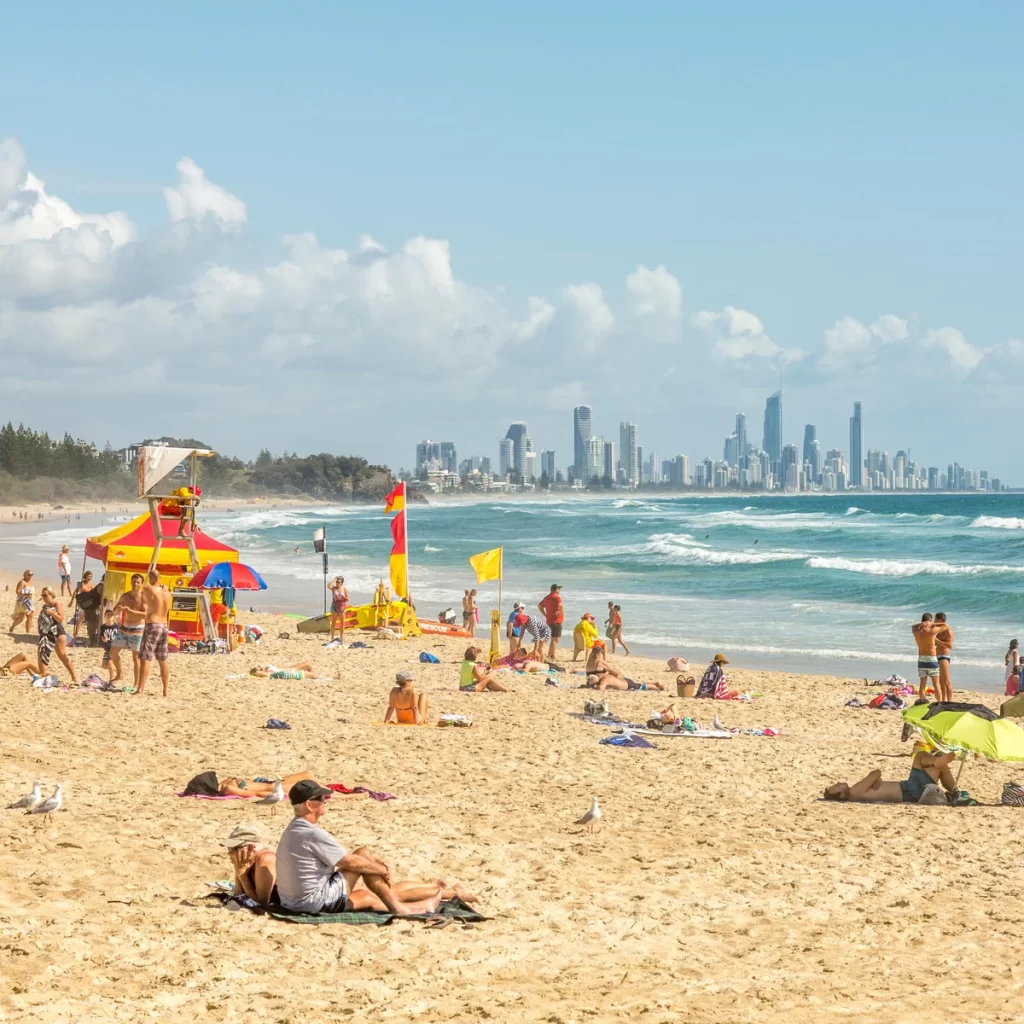
Summer – December, January, February
For summer travel plans, you’ll need to make sure you book any hotels on the Gold Coast at least 2-3 months in advance during peak travel periods (i.e. during the December-January school holidays). For those flying from interstate or overseas, flights are also at their most expensive during the summer months, so be sure to factor this into your travel budget when planning your getaway.
The main benefit of travelling during the peak season is simply that you’re more likely to have great weather across December to February than during other times of the year. Families looking to line up some great beach days or even a refreshing day out at Wet n’ Wild and other theme parks, can expect fantastic sunshine when travelling during the peak season.
And for families looking to explore the Coral Sea with a glass boat tour or even some snorkelling in and around reefs, the sunny weather and clear skies provide the best visibility conditions for observing marine life.
Just be mindful, however, that January and February are also the most humid months of the year for the Gold Coast, with average morning humidity levels at around 70-75%. For families looking to visit the theme parks during December-February, be prepared to stand in the heat and humidity for a good while in between rides.
Autumn – March, April, May
The Term 1 school holidays are often a great opportunity to slot in a Gold Coast getaway if your family weren’t able to line anything up for the summer holidays. With the end of February and beginning of March still promising great, summer-esque weather, you may even call the beginning of autumn the tail end of the peak season for the Gold Coast.
As you move further into March, April, and May though, the weather will begin to grow milder and humidity levels will drop, providing ideal conditions for travellers that are more heat-sensitive. Ocean temperatures are still warm through autumn, however, so there’s still ample opportunities for great beach days and some reef snorkelling.
As for crowds, the Gold Coast holiday throngs definitely do start to thin, but flights and accommodation rates may still err on the higher side immediately after the summer peak. April is an ideal time for beating summer cost surges whilst still getting to enjoy the last few slivers of summerlike weather.
Winter – June, July, August
Winter on the Gold Coast still brings some sunny days, just with an average of 21°C – 22°C as opposed to the 25-30°C and beyond highs of summer. Alongside this, winter evenings can get particularly brisk, windy, and dark, as the days shorten in the lead up to the winter solstice at the end of June.
For families looking to get out in the Gold Coast Hinterland, you’ll find winter weather to be well-suited for hiking and bush tours, with less risk of heatstroke and general discomfort from walking in high humidity.
June also kickstarts whale watching season on the Gold Coast, with whale watching boat tours running from June to November for those keen to see the thousands of humpbacks that travel along the eastern whale highway during their annual migration.
Arguably best of all is that winter travel to the Gold Coast is often accompanied with discounted flights, hotel rates, and even competitive deals on admission tickets for the theme parks and other attractions on occasion. For those looking to travel during winter, it’s well worth doing some research in the leadup to your trip to see what travel deals you can snag.
Spring – September, October, November
As the weather starts to rise again at the end of August, spring marks the return of holiday crowds to the Gold Coast, meaning the Term 3 holidays can deliver similar traffic to what you’d expect over the summer. This is why it’s generally recommended that spring travellers visit outside of school holiday periods to ensure a peaceful Gold Coast getaway that still delivers that much-anticipated tropical weather.
But it’s not just the Term 3 holidays you need to be wary of! With end of year exams finishing up in early November for most Year 12 students across Australia, mid to late-November also marks the beginning of ‘schoolies’ holidaymakers, otherwise known as the rowdy 17 to 18 year-olds that celebrate finishing up 13 years of schooling with a few raucous weekends on the Gold Coast. If you’re planning to stay in and around the city centre and theme parks and would prefer to avoid the schoolies crowds, then it’s best to book springtime family Gold Coast getaways in late September to early November.
Outside of spring crowds, however, the weather across September to November is generally pleasant, outside of a little spring rainfall. This makes spring an ideal time for getting out and about both across the Gold Coast as well as the Coral Sea and Hinterland region.
So when should you schedule your next family Gold Coast getaway?
Between its crystal clear waters, warm sands, and abundance of shopping options, thrill rides, and natural attractions, it really is impossible to not love the Gold Coast. In fact, all it takes is one good holiday to get you daydreaming about moving interstate and building a home on the water’s edge. But a vacation can’t last forever, so the best thing that we can do for our families is at least make sure we book during a travel window that maximises fun and minimises hassle.
After evaluating Gold Coast holidays season by season, it’s clear to see that travelling during warmer weather is the best play. But if you’re looking to avoid the peak season and its crowds (i.e. December to January), then the summer – autumn transitional period (March to May) can be the best time to go for sunchasers.
For those who don’t mind a little rain and wind in exchange for milder temperatures and lower humidity when compared to summer, then travelling during spring (September to November) can also provide reasonably sunny days with maximum temperatures of around 22°C to 25°C. Just be mindful of schoolies during November!
And for families after good deals on attractions during off-peak, travelling in winter can mean reduced accommodation rates, deals on tickets for theme parks and other attractions, and significantly less crowds at tourist attractions when compared to all other seasons. With milder weather in the Hinterlands plus the official beginning of whale watching season, winter can be an ideal travel window for families looking to get out in nature rather than staying within the city borders.
Ultimately, it’s up to your family to decide what activities and attractions you’re most excited by. This is what’ll help you determine the best time to visit the Gold Coast for your next family trip.
Is Car Rental Better for East Coast Holidays: Exploring Your Travel Options


