Moving house is one of life’s most stressful events, and when you add children into the equation, the complexity multiplies exponentially. As Melbourne mums, we’re juggling school runs, extracurricular activities, meal prep, and a million other daily tasks – and now we need to pack up our entire lives and relocate to a new home? It can feel overwhelming, but with the right strategies and planning, moving house with kids can actually become an exciting family adventure rather than a nightmare scenario.
Having recently gone through a house move with three children aged 5, 8, and 11, I’ve learned valuable lessons about what works and what doesn’t. I’ve also spoken with dozens of other mums in the Eastern Suburbs who’ve shared their wisdom, tips, and hard-earned insights. This comprehensive guide brings together all that collective experience to help you navigate your upcoming move with confidence and (dare I say it?) maybe even a little bit of fun..
Planning Your Move: The Earlier, The Better
Once you’ve had the initial conversation with your children, it’s time to start planning. I cannot stress enough how important it is to begin early – ideally at least two months before your moving date if possible. This gives you time to tackle tasks methodically rather than in a last-minute panic.
Create a moving binder or digital folder where you keep all important documents: contracts, inventory lists, contact information for service providers, school records, medical records, and your detailed moving timeline. Share a simplified version of your timeline with your children so they know what to expect and when.
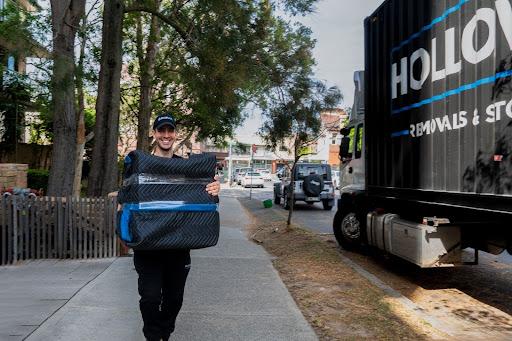
Start researching removal companies early in your planning process. If you’re moving within Brisbane or from Brisbane to Melbourne, you’ll want to find a reliable, family-friendly removal company. A professional Wecube – Brisbane Removals Company can take enormous pressure off your shoulders by handling the heavy lifting while you focus on supporting your children through the transition. Look for removalists who have experience with family moves and can provide insurance for your belongings – because let’s face it, with kids around, accidents happen!
When comparing quotes from different removal companies, ask about their experience with family relocations, whether they provide packing materials, how they handle fragile items (including children’s precious treasures), and what their timeline looks like. Don’t automatically go with the cheapest option; reliability and professionalism are worth paying a bit extra for when you’re coordinating a move with children.
Involving Children in the Moving Process
One of the most effective strategies I discovered was actively involving my children in the moving process. This transformed them from anxious bystanders into engaged participants who felt some control over the situation.
Start by taking your children to see the new house if possible. Walk through each room and let them choose which bedroom they’d like (within reason, of course – sometimes we parents need to make the executive decisions!). If you can’t visit in person, take photos or video tours and explore the neighbourhood using Google Street View together. Look for nearby parks, playgrounds, libraries, and ice cream shops – the things that matter most to kids.
Create a “new neighbourhood adventure list” with your children. Research local attractions, find out about clubs and activities they might want to join, and identify the closest pool, cinema, or favourite chain restaurants. This builds excitement about the new location rather than focusing solely on what they’re leaving behind.
Give each child their own moving box in a bright, distinctive colour. Let them decorate it with stickers, drawings, or markers, and explain that this special box will contain their most treasured possessions that they’ll want to access immediately in the new house. This might include favourite toys, books, comfort items, or special keepsakes. Knowing these precious items are safely packed away in their personal box provides tremendous reassurance.
For older children, consider giving them responsibility for packing their own rooms (with supervision, of course). Provide plenty of bubble wrap, packing paper, and clear labelling materials. Turn packing into a game by setting challenges: “Can you pack all your winter clothes in under 20 minutes?” or “Let’s see who can wrap the most fragile items without using too much bubble wrap!”
Managing the Weeks Before Moving Day
As moving day approaches, try to maintain your regular routines as much as possible. Children thrive on predictability, and during times of change, familiar routines provide comfort and stability. Continue with regular mealtimes, bedtime routines, and weekend activities even when you’re surrounded by boxes and chaos.
Prepare a “moving day survival kit” for each family member. This should include snacks, water bottles, hand sanitizer, basic first aid supplies, phone chargers, a change of clothes, toiletries, important medications, and entertainment options like books or tablets. Pack these items in easy-to-carry backpacks that will travel with you in the car rather than on the moving truck.
In the week before the move, start saying goodbye to your current home in a meaningful way. Take photos of each room, especially your children’s bedrooms and play areas. Let your kids say goodbye to their favourite spots – the reading nook, the tree they love to climb, the kitchen where you baked cookies together. Some families host a small farewell gathering or walk around the neighbourhood one last time, creating closure and positive final memories.
If your children attend school or childcare, coordinate with their teachers about the transition. Many educators have experience helping children through moves and can provide additional support during this time. Arrange playdates or exchange contact information with close friends so your children know they can stay connected after the move.

Making Your New Home Comfortable from Day One
Before moving day, if possible, visit your new home and do some preparatory work that will make arrival day smoother. Give the house a thorough clean (or hire professionals to do so), ensure all utilities are connected, and check that heating and cooling systems are working properly. Melbourne weather can be unpredictable, and arriving at a house that’s either freezing cold or sweltering hot will start things off on the wrong foot.
If you’re moving into an older home, consider the condition of your air conditioning system. Victoria’s hot summers and chilly winters mean reliable climate control is essential, especially when you’re trying to keep children comfortable during the stressful moving period. You might even be eligible for government assistance with upgrading your system – many Melbourne families benefit from the air conditioner rebate victoria program, which can significantly reduce the cost of installing energy-efficient cooling and heating. Having a comfortable home temperature when you arrive with tired, potentially cranky children is worth its weight in gold.
Set up your children’s bedrooms as a priority on moving day. Even if the rest of the house is in chaos, having their personal spaces reasonably organized provides a safe haven they can retreat to when everything feels overwhelming. Make their beds with familiar bedding, unpack their personal moving boxes, and get their favourite toys or books within easy reach.
Try to create one functional space on the first day – usually the kitchen – where you can prepare simple meals and gather as a family. Paper plates and disposable cutlery are your friends during the first few days! Stock your fridge and pantry with easy meals, snacks, and your children’s favourite treats before moving day.

Addressing Practical Concerns During the Move
Moving day itself requires careful choreography, especially with children involved. If possible, arrange for young children to spend the day with relatives or trusted friends. The actual moving process involves heavy furniture, stressed adults, and potential hazards – not an ideal environment for little ones. Older children might enjoy being part of the action but make sure they have clear, age-appropriate tasks that keep them safely occupied.
If you can’t arrange childcare for a moving day, designate one room as the “kid zone” – the last room to be packed and the first to be set up at the new house. Stock it with activities, snacks, and entertainment to keep children occupied while the professional movers work.
Before the removalists arrive at your new home, do a final walkthrough to ensure everything is clean and safe for children. Check for any hazards like loose carpet, protruding nails, unstable shelving, or unsecured furniture that could pose risks. If you’re moving into an older home, verify that electrical outlets are working properly and consider having them inspected by a qualified professional.
Speaking of electrical safety, don’t overlook the importance of ensuring your new home’s electrical system is up to code and functioning safely. This is especially crucial in older properties or if you notice any flickering lights, outlets that don’t work, or circuit breakers that trip frequently. Finding a reliable electrician in Melbourne cbd or the Eastern Suburbs area before you move in can save you from dealing with electrical issues while juggling, unpacking and settling children into their new routines. Have them check safety switches, test smoke alarms, and ensure your home’s electrical system can handle your family’s needs – from charging multiple devices to running appliances.
The First Night in Your New Home
The first night in a new house is significant and can be either magical or stressful – you want to aim for the former. Order takeaway from your children’s favourite restaurant (consider this your reward for surviving moving day!), and eat it picnic-style in the living room if you haven’t unpacked the dining table yet.
Create a bedtime routine as close to your normal one as possible. This might mean reading bedtime stories while sitting on mattresses on the floor, but the familiarity of the routine matters more than the setting. Some children might be excited and struggle to sleep in their new room; others might be anxious. Be patient, offer extra cuddles, and don’t be surprised if younger children want to sleep in your room for the first few nights.
Make the first morning special too. Prepare your children’s favourite breakfast, explore the house together in daylight, and start planning how you’ll organize different spaces. Let the children place their favourite decorations in their rooms and involve them in decisions about where things should go.
Settling In: The First Few Weeks
Remember that settling into a new home is a process, not an event. Don’t pressure yourself to have everything unpacked and perfect within days. Focus first on essentials: bedrooms, kitchen, and bathroom. Other rooms can be tackled gradually over the following weeks and months.
Establish new routines quickly but be flexible as you discover what works in your new space. The route to school might be different, the morning sun might shine through different windows, and the local shops might have different opening hours. Give yourselves time to adjust to these changes.
Explore your new neighbourhood as a family. Find the nearest playground and visit it regularly to meet other local families. Locate the closest library, swimming pool, and other amenities you’ll use frequently. Many councils offer welcome programs or orientation sessions for new residents – these can be great opportunities to learn about local services and meet neighbours.
If you’ve moved to a new school district, communicate regularly with your children’s new teachers during the first few weeks. Ask about their adjustment, whether they’re making friends, and if there are any concerns. Most schools have experience helping new students integrate and can provide additional support if needed.
Be prepared for some emotional ups and downs during the settling-in period. Children might seem fine for days and then suddenly become teary or angry about the move. This is completely normal. Continue to acknowledge their feelings, remind them that adjustment takes time, and point out positive aspects of the new home and neighbourhood.

Creating New Traditions and Memories
One of the best ways to help children bond with their new home is to create positive associations and new family traditions tied to the location. These don’t have to be elaborate – simple rituals can be incredibly meaningful.
Consider starting a “first year in the new house” scrapbook or photo album. Document small milestones: the first meal cooked in the new kitchen, the first friend who visits, the first time it rained, seasonal changes in the garden, and how different rooms evolve as you decorate and organize them. This creates a narrative of growth and belonging.
Celebrate your “house-iversary” – the anniversary of moving into your new home. Even a small celebration with cake and reminiscing about how far you’ve come can reinforce the sense that this house has become home.
Plant a tree or establish a garden together. Watching something grow alongside your family in the new space creates a living connection to the property. Children love having ownership of a plant or garden bed they’re responsible for nurturing.
Looking Forward
As Melbourne mums, we’re no strangers to juggling multiple priorities and adapting to changing circumstances. Approach your house move with the same resourcefulness, creativity, and determination you bring to every other aspect of parenting. Before you know it, your new house will feel like home, your children will have settled into their new routines, and this challenging transition will become just another story in your family’s collective history – hopefully one you’ll look back on with pride at how well you navigated it together.
Your new adventure is just beginning. Take a deep breath, trust the process, and remember that home isn’t really about the building – it’s about the family inside it. Wherever you go together, that’s home.