

On Tuesday 11 August, millions of Australians will take part in one of the country’s most important national surveys – the Australian Census.
While filling out the Census may only take a short amount of time, the information collected helps shape the future of communities across Sydney for years to come. From planning new schools and childcare centres to improving transport, parks, healthcare and community services, the Census plays a vital role in ensuring governments understand where people live and what their communities need.
If you’ve ever wondered whether one household can really make a difference, the answer is yes. Every person counts.
What Is the Census?
Conducted every five years by the Australian Bureau of Statistics (ABS), the Census provides a snapshot of Australia’s population.
It collects information about who lives in Australia, where people live and how our communities are changing over time. The results help governments, councils, businesses, researchers and community organisations make informed decisions about future planning and investment.
Unlike surveys that only ask a sample of people, the Census aims to count every single person in Australia on Census night.
Why It Matters for Sydney Families
Sydney is one of Australia’s fastest-growing and most diverse cities.
As more families move into different suburbs, accurate Census information helps identify where additional services are needed. Census data can influence decisions about:
- New schools and childcare centres
- Hospitals and health services
- Public transport and roads
- Parks, playgrounds and sporting facilities
- Libraries and community centres
- Housing and future residential developments
- Support services for seniors, people with disability and multicultural communities
The more complete the picture, the better governments can plan for the needs of local families.
Who Needs to Complete the Census?
Everyone.
Every household and every person who is in Australia on Census night should be included, including:
- Babies and young children
- Adults
- Visitors staying overnight
- International students
- Older Australians
- People experiencing homelessness
Every individual helps build a more accurate picture of Australia.
When Does the Census Take Place?
Census Day is Tuesday 11 August.
Households will begin receiving instructions in their letterboxes from late July.
If you already know where you’ll be staying on Census night, you don’t have to wait until 11 August—you can complete your Census as soon as your instructions arrive.
How to Complete the Census
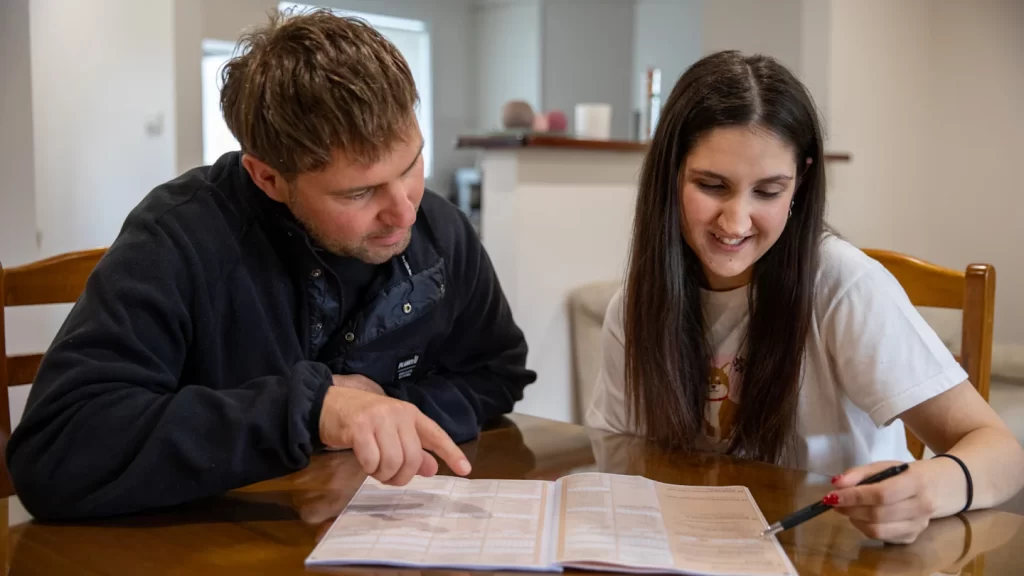
Completing the Census is designed to be simple and convenient.
You can choose to complete it:
- Online
- Using a paper form
- With assistance from the Australian Bureau of Statistics if required
Support is also available for people who need extra assistance, including translated information, accessible resources and face-to-face help sessions.
Is My Information Private?
One of the most common questions people ask is whether their personal information remains confidential.
The answer is yes.
Information collected in the Census is protected by Australian law and kept strictly confidential. Individual responses are not shared with other government agencies, and the information is used only for statistical purposes.
Every Response Makes a Difference
The Census is much more than a form—it’s one of the most important planning tools Australia has.
Whether you’re raising young children, caring for ageing parents, studying, working from home or have recently moved to Sydney, your responses help create a clearer picture of our growing communities.
By taking a few minutes to complete the Census, you’re helping ensure future decisions are based on accurate information that benefits everyone.
Find Out More
For more information about the 2026 Australian Census, including support services, translated resources and local assistance events, visit the Australian Bureau of Statistics Census website.
On Tuesday 11 August, take a few minutes to Answer the Census—because every person, every family and every community counts.


