
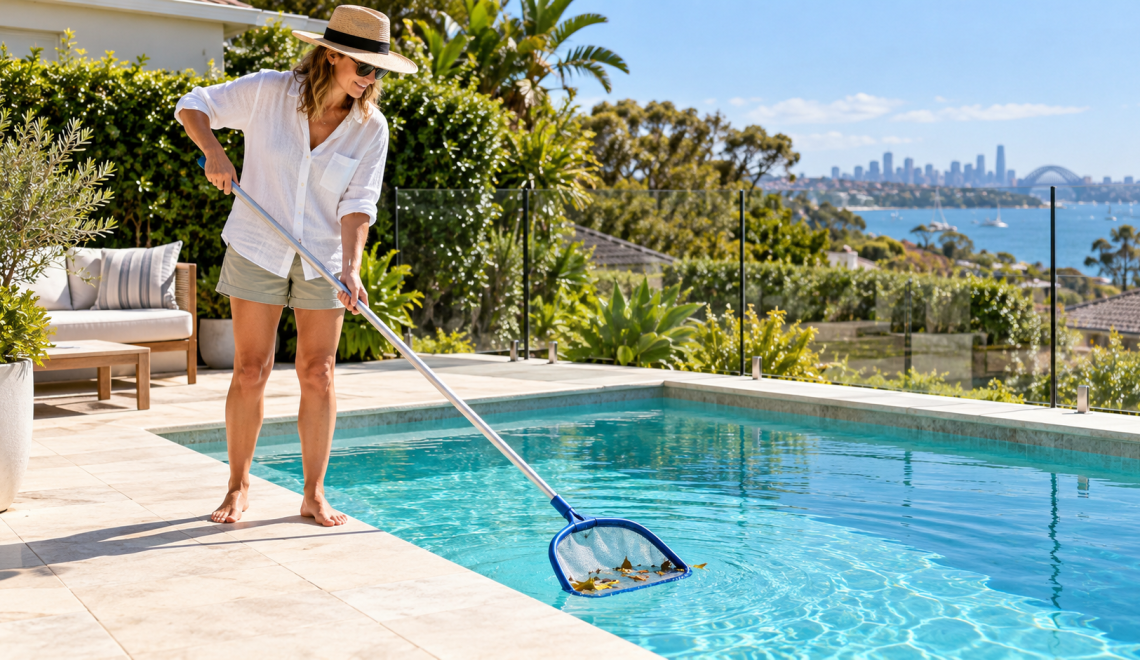
There’s nothing quite like having a backyard swimming pool when Sydney’s summer temperatures start climbing. Whether your kids are splashing around after school, friends are visiting for a weekend barbecue, or you’re enjoying a quiet afternoon by the water, a well-maintained pool makes summer at home that little bit easier.
But between work, school holidays and family commitments, pool maintenance can quickly slip down the to-do list. The good news? Keeping your pool in good condition doesn’t have to mean spending hours cleaning and checking equipment.
With a few simple habits and a regular summer pool maintenance routine, you can keep your backyard pool inviting, spot potential problems early and spend more time enjoying it.
Here’s a practical swimming pool maintenance checklist for busy Sydney families.
1. Check Your Pool’s Water Level Regularly
One of the easiest pool maintenance tasks is also one of the most overlooked: checking the water level.
During Sydney’s hot summer months, evaporation naturally causes pools to lose water. Splashing, swimming and backwashing the filter can also contribute to water loss.
However, if you’re constantly topping up your pool, there could be another explanation.
Make a habit of checking the water level a couple of times each week. Compare it with the level recommended by your pool manufacturer, particularly if you have a skimmer system.
If the water level drops unusually quickly, don’t automatically assume it’s the summer heat. Understanding unusual pool water losscan help you recognise possible warning signs and determine when further investigation may be worthwhile.
2. Keep Leaves and Debris Under Control
Leaves, insects, grass clippings and other debris can quickly accumulate in backyard pools, especially after windy weather or a busy afternoon of swimming.
Regular cleaning helps maintain water clarity and reduces the strain on your filtration system.
Add these simple tasks to your weekly backyard pool care routine:
- Skim the surface to remove floating leaves and insects.
- Empty skimmer baskets before they become overloaded.
- Brush pool walls, steps and corners where dirt can accumulate.
- Vacuum the pool floor or check that your robotic cleaner is working properly.
- Remove debris after storms rather than leaving it to settle.
If you have young children, consider making tidying the surrounding pool area part of the family’s outdoor routine. Keep actual pool cleaning and equipment handling as adult responsibilities.
3. Test and Balance Your Pool Water
Clear water doesn’t necessarily mean healthy swimming conditions. Pool water needs the correct chemical balance to help control harmful microorganisms and protect pool surfaces and equipment.
During summer, increased swimming activity, strong sunlight and heavy rainfall can all affect water chemistry.
Use a reliable pool testing kit to monitor:
- Chlorine or other sanitiser levels: Ensure your pool has sufficient sanitiser for safe swimming.
- pH: Maintain the range recommended for your pool and sanitising system.
- Total alkalinity: Help stabilise pH and reduce sudden fluctuations.
- Other relevant levels: Check stabiliser, calcium hardness or salt where required by your pool system.
Follow your equipment manufacturer’s instructions and seek advice from a qualified pool professional if you’re unsure about the results.
Always store pool chemicals securely, away from children and pets. Never mix different chemicals, and follow product labels when adding treatments.
4. Make Sure Your Filtration System Is Working Properly
Your pool’s pump and filter work together to circulate water and remove suspended particles.
When filtration isn’t operating effectively, water can become cloudy and debris may accumulate more quickly.
Check your system regularly for unusual noises, reduced water flow, leaks around fittings or unexpected changes in filter pressure.
The appropriate daily filtration time depends on your pool size, equipment, water temperature and swimming activity. Rather than relying on a fixed schedule for every pool, follow your system’s recommendations and adjust as conditions change.
Remember to clean or backwash the filter when required, following the manufacturer’s instructions.
5. Watch for Early Pool Leak Warning Signs
Not every pool problem is immediately obvious.
A small leak might initially look like ordinary evaporation, particularly during hot weather when you’re already expecting some water loss.
Along with monitoring water levels, keep an eye out for:
- Unexplained wet patches around the pool.
- Water levels dropping faster than usual.
- Cracks or movement in nearby paving.
- Air entering the pump system.
- Needing to refill the pool more frequently without an obvious reason.
These symptoms don’t automatically confirm a leak, but they’re worth investigating.
A simple bucket test can help compare pool water loss with evaporation over the same period. If the pool continues losing noticeably more water than the bucket, further checks may be appropriate.
Identifying a potential issue early can help prevent unnecessary water waste and avoid leaving underlying problems unresolved.
6. Check Your Pool’s Safety Features
For families with young children, pool maintenance isn’t just about clean water. It’s also about maintaining a safe swimming environment.
Regularly inspect your pool fence, gate and surrounding area.
Check that gates close and latch correctly, fencing remains secure, and objects such as outdoor furniture or pot plants haven’t created potential climbing opportunities.
In NSW, residential swimming pools must comply with applicable pool safety requirements. If you’re uncertain about your pool’s compliance, seek advice from your local council or an appropriately qualified pool inspector.
Most importantly, remember that fencing is only one layer of protection. Children should always be actively supervised by a responsible adult around water.
7. Give Your Pool a Quick Check After Heavy Use
Summer pool parties and school holiday swimming sessions can place extra demands on your pool.
After a busy day, remove visible debris, check the skimmer basket and test the water.
Heavy rainfall can also introduce dirt and affect water chemistry, so make additional checks after storms.
These small follow-up tasks can make the next swimming session much easier to prepare for.
Your Easy Weekly Pool Maintenance Checklist
If you’re juggling family commitments, keep your routine manageable by focusing on a few essential checks.
- Several times a week: Check water levels, remove visible debris and observe water clarity.
- At least weekly: Test water chemistry, empty baskets and clean pool surfaces as needed.
- Regularly: Inspect filtration equipment, pool fencing and gates.
- After storms or heavy swimming: Recheck water quality, debris levels and equipment performance.
- Whenever something seems unusual: Investigate persistent water loss, cloudy water or equipment changes.
Your pool’s individual requirements may vary, so always follow the guidance provided for your equipment and water treatment system.
Spend Less Time Worrying and More Time Swimming
A little regular attention can make a big difference to your family’s summer swimming experience.
By keeping water balanced, maintaining equipment, checking safety features and watching for unusual changes, you can make pool ownership feel far more manageable.
The aim isn’t to have a perfectly spotless pool every minute of the day. It’s to build simple, consistent habits that help keep your backyard ready whenever the family feels like a swim.
After all, summer is better spent making memories by the pool than dealing with avoidable maintenance surprises.
Simple Ways Eastern Suburbs Families Can Save Water and Energy Around the Pool This Summer


