
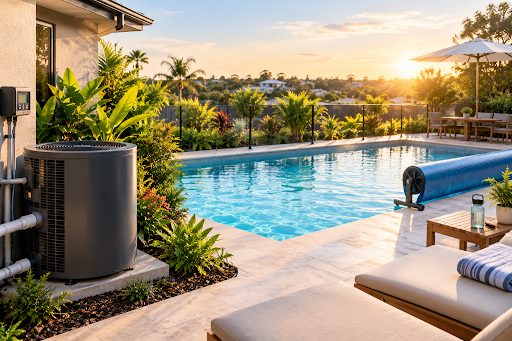
There is nothing quite like hearing the cheerful splash of kids jumping into the backyard pool on a scorching Aussie afternoon.
If you live across the picturesque Eastern Suburbs, you already know how fast summer temperatures can climb. But keeping that backyard oasis sparkling clean while trying to keep household utility bills under control can sometimes feel like a full-time job.
Are you someone who looks at their electricity bill and is left wondering about how all that energy was used up? Well, you aren’t alone! Managing a household budget while maintaining an inviting swimming hole doesn’t have to feel like an uphill battle. Luckily, with a few smart adjustments, you can easily cut down on resource waste, save precious dollars, and streamline summer backyard routines while keeping pool water pristine so everyone can enjoy more stress-free weekend BBQs.
So, here are 7 simple ways Eastern suburbs families can save water and energy this summer. Take a look.
- Invest in a High-Efficiency Solar or Thermal Pool Cover
Evaporation is quietly the absolute largest culprit when it comes to disappearing pool water during warm coastal weather. When hot sun rays beat down on an uncovered sheet of water all day, hundreds of liters simply vanish into thin air,forcing you to run the garden hose for hours just to keep the skimmer box submerged.
Research published by Daisy Pool Covers shows that an average uncovered pool in Sydney can lose approximately 6.4mm of water per square meter every single day purely to evaporation. By rolling out a durable thermal or solar blanket whenever the water is not actively in use, you create a protective physical barrier that blocks up to 95% of that evaporation.
As an added bonus, these covers trap ambient heat overnight, meaning your pool stays warmer without needing artificial heating.
- Shift Your Filtration Timers to Off-Peak Energy Hours
Running a standard single-speed filtration pump during the middle of the afternoon is one of the most expensive ways to maintain water clarity. Peak electricity rates apply during those hot afternoon hours when the grid is under maximum stress from homes blasting air conditioners.
By simply reprogramming your automated pump timer to run late at night or during the early morning hours before sunrise, you instantly switch your energy usage over to off-peak or shoulder tariff rates.
You get the exact same volume of water filtered and turnover achieved every single day, but you pay a fraction of the cost per kilowatt-hour on your electricity bill.
- Upgrade to an Energy-Star Rated Variable-Speed Pump
Older pool setups typically rely on traditional single-speed pumps that operate like an on-off switch: running at maximum power and peak energy draw every second they are turned on, regardless of whether you are backwashing or just performing light daily filtration.
Modern variable-speed pumps allow you to dial down the motor speed for routine,long-duration circulation cycles. Because motor power draw drops exponentially when speed is reduced, running a variable-speed pump at a low rpm can reduce your pump’s electricity consumption by up to 70% compared to an outdated single-speed unit, saving hundreds of dollars every single season.
- Switch to Autonomous Cordless Robotic Pool Cleaners
Vacuuming the pool floor manually or relying on traditional suction-side cleaners puts a lot of load on your primary pool filtration pump. The pump requires higher pressure and frequent backwashing, and this dumps hundreds of liters of treated water down the drain.
Utilizing dedicated battery-powered equipment, such as Aiper robotic pool cleaners, completely decouples your surface and floor scrubbing routine from your main plumbing system. These independent units drive around the floor and walls on their own internal battery power, catching debris in fine internal mesh baskets so your main filter stays clean longer and requires significantly less water-wasting backwash cycles.
Such robotic pool cleaners not only save energy but also streamline summer backyard routines while keeping pool water pristine.
- Perform Regular Leak Checks Around Plumbing and Equipment
A minor leak, such as a pinprick-sized hole, in an underground return line, a leaky filter valve, or a small crack in the vicinity of the skimmer box, could leak out hundreds of gallons of chemically treated water into the surrounding soil on a weekly basis. Since top-ups happen automatically or through the addition of water using a hose, the leak often goes unnoticed until the water bill arrives.
To test if there is a leak, fill a bucket with the pool water, place the bucket on the steps of the pool, mark the water level in the bucket as well as on the pool wall, and see how fast the water levels drop in the two within a day. If the pool water level drop is significant, it means you have a physical leak that needs immediate attention.
- Keep Skimmer and Pump Baskets Free of Debris
When late spring and summer come, winds blowing from the coast tend to carry leaves, gum blossoms, and all sorts of garbage right into your backyard pool. This leads to an accumulation of organic material in the skimmer baskets and pump strainer pots. As a result, they limit the water flow and put up a lot of suction resistance, forcing your pump motor to work twice as hard, drawing more electrical current.
Spend just two minutes every couple of days emptying out those baskets so that water moves smoothly, motor wear is reduced, and unnecessary power spikes are prevented.
- Lower Your Solar or Electric Heater Target Temperatures
If your family uses a heat pump or gas pool heater to extend swimming hours into the evening, keep in mind that every single degree of added water temperature demands a substantial increase in energy consumption. Pushing pool water from 26°C up to 28°C or 30°C can nearly double the daily operational cost of your heating unit.
Lowering your target thermostat setting by just one or two degrees creates a comfortable swimming environment while drastically trimming gas or power usage throughout the warm season.
Bringing It All Together for a Worry-Free Season
Creating a sustainable, energy-efficient backyard swimming space is not about sacrificing summer fun or constantly nagging family members. It is simply about adopting smarter, more efficient daily habits and choosing the right tools to protect your household budget.
Which of these simple backyard tweaks will your family try out this coming weekend to start saving on water and energy?
Power Down, Live Up: The Simple Guide to an Energy-Efficient Home


