
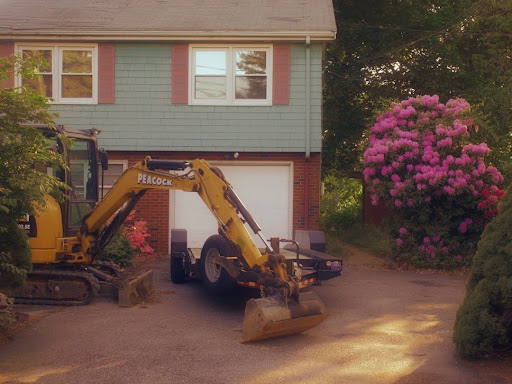
For a growing family, there comes a point when the old house simply does not fit anymore. Sometimes a renovation will do. Other times the smarter move is to start again, clearing the block and building the home you actually need.
Photo by Yiquan Zhang on Unsplash
Alt text: Excavator demolishing an old suburban house on a clear day
That decision can feel daunting, but it does not have to be. Partnering with a specialist like House Demo Brisbane takes much of the stress out of the process for busy families. This guide walks through how home demolition works, what it costs, and how parents keep the whole project safe and organised.
Why Would a Family Demolish a Home?
Knocking down a home sounds drastic, yet for many families it is the sensible choice. The numbers and the lifestyle often point the same way.
Several reasons come up again and again:
- A poor layout, where renovating cannot fix the basic floor plan.
- An ageing house, often built before the 1980s and costly to maintain.
- Family growth, when you need more rooms and better flow.
- Land value, since a modern home can lift the worth of a good block.
A knockdown rebuild lets you keep the suburb and lifestyle you love while gaining a home designed around your family. For many parents, that combination is exactly what they are after. It is the ultimate fresh start without leaving the neighbourhood.
What Does the Demolition Process Involve?
Demolition is far more organised than the dramatic footage suggests. It runs as a careful, staged process from start to finish.
It begins well before any machinery arrives. You need council approvals, and services like power, water, and gas must be disconnected first. A site inspection then checks for hazards such as asbestos. Only once that groundwork is done does the physical demolition begin, usually taking just a few days for a single home.
Clearing the site is the final stage. The debris is sorted, with as much as possible recycled rather than sent to landfill. Responsible waste handling is a real focus of official guidance on large-scale residential demolition. A clean, level block is then ready for your builder.
How Do You Choose a Demolition Company?
The contractor you pick shapes the whole experience. A good one is organised, licensed, and easy to deal with.
Weigh these factors before you commit:
- Licensing and insurance, both current and easy to verify.
- Asbestos handling, with proper accreditation for safe removal.
- Clear quoting, so you know exactly what the price includes.
- Local experience, since they will know council rules and access.
Get at least 3 written quotes and compare them properly, not just on price. Ask what the figure covers, since site clearing and disconnections are sometimes extra. The cost of a single-home demolition commonly sits between $15,000 and $40,000, so the right choice matters. A little homework here is the same research busy families do before any big purchase, like choosing the best robot vacuum.
What About Safety and Asbestos?
Safety is the part no family should cut corners on. Older homes in particular can hide real hazards.
Asbestos is the big one. Homes built before the late 1980s often contain it, and it must be removed by a licensed professional under strict rules. Disturbing it yourself is both illegal and dangerous. Strict standards apply to all demolition work, and a reputable company will follow them without being asked.
There is the household side too. Keep children and pets well away from the site, and agree on safe boundaries with your contractor. A good demolisher will fence the area and manage dust and noise. Treating safety as non-negotiable protects your family and keeps the project on track.
Planning a Smooth Rebuild
A demolition is really the first chapter of your new home, not just an ending. A little planning makes the whole project feel manageable.
Keep this short checklist in mind:
- Sort approvals early, since council sign-off takes time.
- Choose a licensed demolisher, with proper asbestos accreditation.
- Budget with a buffer, for disconnections and site clearing.
Do that, and the knockdown becomes a controlled, even exciting step rather than a worry. The reward is a level block and a clean slate, ready for the family home you have been planning. It rewards the same forward planning families bring to any big milestone, much like hosting an 18th birthday party. For many parents, that is well worth the short disruption to the family routine.
Frequently Asked Questions
How Long Does It Take to Demolish a House?
The physical demolition of a single home usually takes only a few days. The longer part is the preparation beforehand. Council approvals, service disconnections, and asbestos inspections can add weeks to the timeline. From first approval to a cleared block, most projects run between 2 and 6 weeks. A good demolisher will give you a realistic schedule upfront.
How Much Does Home Demolition Cost?
For a standard single-storey home, demolition commonly costs between $15,000 and $40,000. The final figure depends on the size, the materials, site access, and whether asbestos removal is needed. Always get the quote in writing and confirm what it includes. Site clearing and service disconnections are sometimes charged separately, so check before you sign anything.
Do I Need Council Approval to Demolish?
Yes, in almost all cases. Demolition requires approval from your local council or a private certifier before any work begins. Your demolition company can often help manage this paperwork. Skipping approvals can lead to fines and delays, so it is never worth the risk. Factor the approval time into your overall schedule, since it is rarely instant.
Is Asbestos a Concern In Older Homes?
Very much so, for homes built before the late 1980s. Many contain asbestos in materials like eaves, fencing, and flooring. It must be identified and removed by a licensed professional under strict safety rules. Never attempt to disturb suspected asbestos yourself. A reputable demolisher will arrange proper testing and removal as a standard part of the job.
Before You Start Renovating: Managing Asbestos Risks Around the Family Home


