
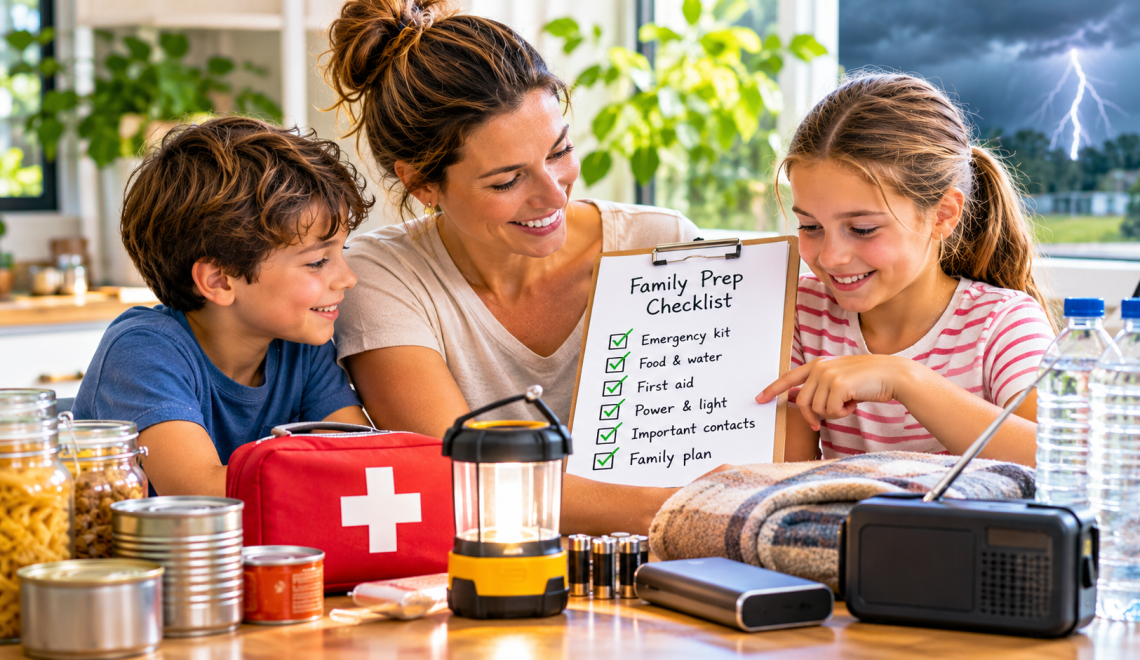
Summer in Sydney’s Eastern Suburbs usually means beach days, barbecues, school holidays and plenty of time outdoors. But summer can also bring sudden thunderstorms, heavy rain, strong winds and the occasional power outage. The good news? A little preparation can help your family feel organised, confident and ready to handle unexpected disruptions without unnecessary stress.
Being prepared doesn’t mean expecting something bad to happen. It’s simply another part of running a busy household, much like keeping the pantry stocked, having a first-aid kit or knowing where everyone’s important documents are.
And many of the things that help during an emergency are just as useful in everyday family life.
Here are some simple ways to get your household summer-ready.

1. Make a Family Plan Everyone Understands
You don’t need a complicated emergency plan. Start with a short family conversation about what everyone should do if something unexpected happens.
For example, what would happen if a storm caused a power outage? Who would collect the children if school or holiday activities closed early? Where would everyone meet if you couldn’t return home?
A simple family plan could include:
- Important phone numbers and emergency contacts.
- A meeting place if family members become separated.
- Who can collect the children if parents are unavailable.
- Where to find torches, first-aid supplies and essential medications.
- What to do if you need to leave home temporarily.
- Arrangements for pets and family members who need extra assistance.
For younger children, keep the conversation positive and practical. Explain that families make plans so everyone knows what to do and can help one another.
The NSW SES provides useful resources to help households create an emergency plan.
2. Keep Your Family Pantry Stocked with Everyday Essentials
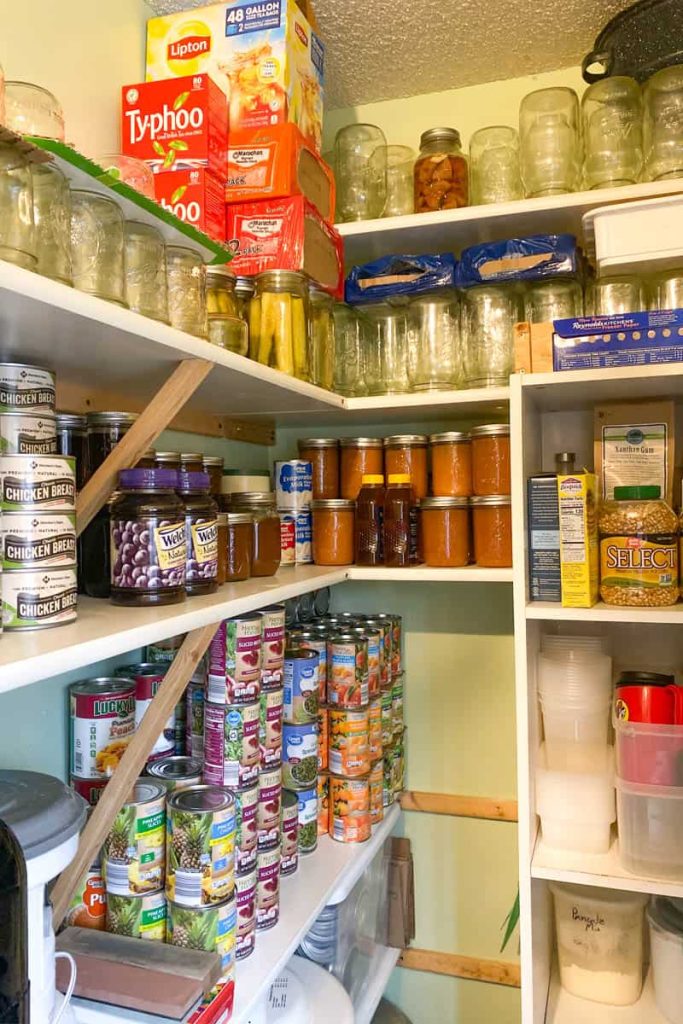
One of the easiest ways to prepare for unexpected situations is to keep a well-organised pantry.
This doesn’t mean stockpiling large quantities of food. Instead, keep a few extras of the products your family already uses.
Pasta, rice, canned vegetables, beans, tuna, crackers and long-life milk are all useful pantry staples.
Consider keeping a selection of foods that can be eaten without cooking, too.
Buying extra items when they’re on special can save money, while regularly rotating your supplies helps prevent food waste.
For more practical ideas, read our related article, The Family Pantry: How to Always Have Food on Hand Without Wasting Money or Groceries.
For emergency planning, aim to have enough suitable food and drinking water for at least 72 hours, allowing for the needs of everyone in your household.
3. Put Together a Simple Family Emergency Kit
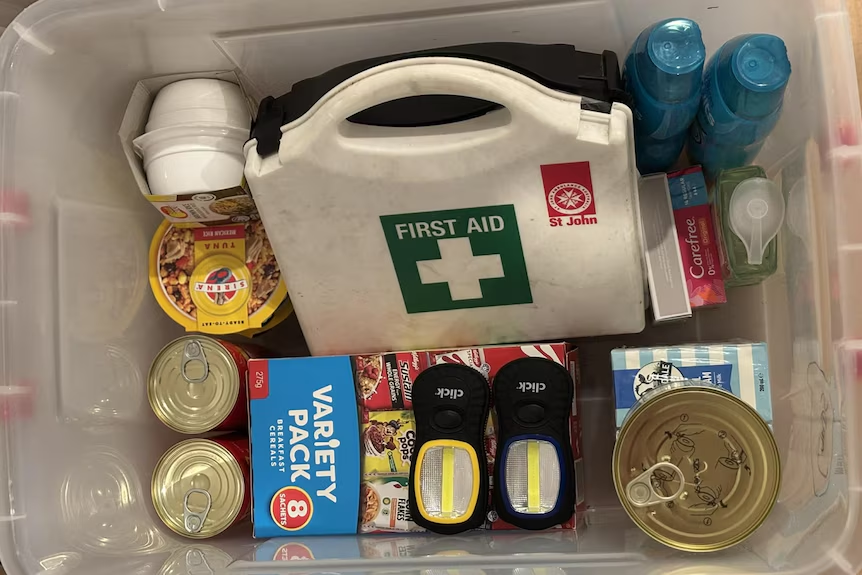
An emergency kit doesn’t need to be expensive or complicated.
You probably already own many of the things you’ll need.
Consider keeping these essentials together in an easy-to-access location:
- Battery-powered or rechargeable torches.
- Spare batteries and a charged power bank.
- A battery-powered radio.
- A basic first-aid kit.
- Essential medications and prescriptions.
- Drinking water and non-perishable food.
- A manual can opener.
- Copies of important documents.
- Baby supplies, if needed.
- Pet food and other pet essentials.
- Comfortable shoes and a change of clothes.
Make sure everyone knows where the kit is stored.
A small portable bag containing essential items is also useful if your family needs to leave home at short notice.
The NSW SES emergency planning checklists can help you decide what to include.
4. Know What to Do During a Summer Power Outage
Power outages can happen for several reasons, including storms, damaged powerlines and network maintenance.
If the electricity goes off, the first step is to check whether the outage has been reported.
For families in Sydney’s Eastern Suburbs, Ausgrid provides an online map showing reported outages and estimated restoration times, when available.
Check the Ausgrid Power Outage Map.
It’s worth saving the link on your phone before you need it.
During a power outage:
- Keep fridge and freezer doors closed as much as possible.
- Use battery-powered lighting rather than candles.
- Switch off sensitive electrical equipment if appropriate.
- Keep mobile phones charged using a power bank.
- Avoid using outdoor barbecues, camping stoves or generators indoors.
- Stay well away from fallen powerlines and report electrical hazards.
If you see a fallen powerline, stay at least eight metres away and keep children and pets clear.
Report the hazard to Ausgrid on 13 13 88.
A little planning can turn a short disruption into something much easier to manage.
5. Make Your Home Summer Storm Ready
A few simple jobs around the house can help reduce the impact of summer storms.
Before storm season, consider checking:
- Gutters and drains for leaves and debris.
- Outdoor furniture and loose items that could blow away.
- Balconies, courtyards and gardens for unsecured objects.
- Trees and branches that may need attention from a qualified professional.
- Outdoor toys, umbrellas and trampolines.
- Doors and windows that may not close properly.
If severe weather is forecast, bring loose items indoors or secure them safely before conditions deteriorate.
Sydney’s Eastern Suburbs include plenty of apartment buildings, terraces and homes with balconies or small courtyards. Even a few lightweight outdoor items can become hazardous during strong winds.
For advice on storm preparation, visit NSW SES.
6. Understand Local Flooding and Heavy Rain
Flooding isn’t only something that happens near major rivers.
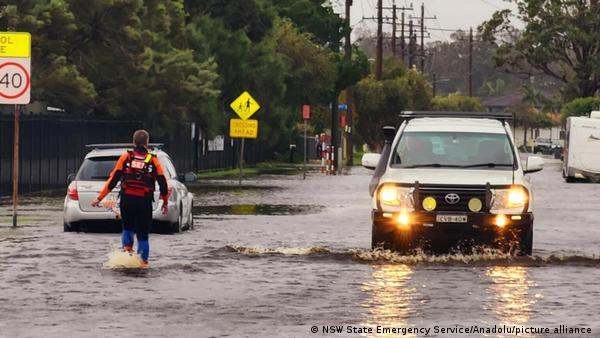
Heavy rainfall can cause localised flash flooding, particularly around low-lying roads, drains and areas where water collects quickly.
Even familiar streets can become unsafe during severe weather.
Before travelling during heavy rain, check weather warnings and road conditions.
Most importantly, never drive, walk or cycle through floodwater.
Floodwater can be deeper or faster-moving than it appears, and roads beneath the water may be damaged.
If your home or neighbourhood is affected by flooding, follow NSW SES instructions and any official evacuation advice.
Families can check current warnings through the NSW SES website and the Hazards Near Me NSW app.
7. Keep Important Information on Your Phone
Your smartphone can be a valuable source of information during unexpected disruptions, provided it has power and network coverage.
Before summer, save a few useful websites and emergency contacts.
Useful contacts and resources for Eastern Suburbs families:
| Service | What it’s useful for |
|---|---|
| Ausgrid | Power outages and estimated restoration times |
| NSW SES | Storm and flood warnings, emergency assistance |
| Bureau of Meteorology | Weather forecasts and severe weather warnings |
| Hazards Near Me NSW | Local emergency alerts |
| Live Traffic NSW | Road closures and traffic disruptions |
For emergency assistance during storms and floods, call NSW SES on 132 500.
For life-threatening emergencies, call Triple Zero (000).
Consider keeping these numbers written down as well, in case your phone runs out of battery.
8. Think About the Kids, Pets and Family Members Who Need Extra Support
Every household has different needs.
Families with babies may need additional formula, nappies and feeding supplies.
Children who take regular medication may need an appropriate supply available, while anyone who relies on powered medical equipment should have a specific backup plan.
Pets need consideration too.
Keep leads, carriers, food and any necessary medication accessible.
If your family needs to leave home, plan where pets can go with you.
For younger children, a favourite toy, book or comfort item can help make an unfamiliar situation less stressful.
Being prepared is about making sure everyone in the family is considered.
9. Turn a Rainy Day into a Family Activity
Not every storm needs to become a stressful experience.
When it’s safe to remain at home, a rainy afternoon can be an opportunity to slow down and enjoy some family time.
Keep a few activities available that don’t depend on electricity or internet access.
Ideas include:
- Board games and card games.
- Colouring books and drawing.
- Reading together.
- Puzzles.
- Storytelling.
- Writing letters to grandparents or friends.
- Building a blanket fort.
For children, the important thing is feeling safe and reassured.
A calm family routine can help make an unexpected change of plans easier to manage.
Of course, always prioritise official warnings and safety instructions over activities.
10. Get to Know Your Neighbours
One of the best things about living in a local community is having people nearby who can look out for one another.
Knowing a few neighbours can be especially helpful during a storm, power outage or other disruption.
Perhaps an elderly neighbour needs help checking an emergency warning, or a family with young children could use some assistance.
Simple gestures, such as sharing useful information or checking whether someone is okay, can make a real difference.
Community preparedness isn’t just about individual households. It’s also about helping create neighbourhoods where people look after each other.
Only offer assistance when it is safe to do so, and never enter floodwater or other hazardous areas.
11. Make Preparedness Part of Your Regular Household Routine
You don’t need to think about emergency planning every week.
A simple check twice a year is a practical approach.
You might schedule one before summer and another during autumn.
Use the opportunity to:
- Check torches, batteries and power banks.
- Review emergency contacts.
- Rotate pantry supplies.
- Check stored drinking water.
- Review medications and first-aid supplies.
- Make sure your family plan is still suitable.
- Check that important documents are accessible.
Children grow, family routines change and household needs evolve, so it’s worth keeping your preparations up to date.
A Little Preparation Can Make Family Life Easier
Preparing for summer storms and unexpected emergencies isn’t about worrying about what might happen.
It’s about making small, sensible decisions today that can make everyday life easier tomorrow.
A stocked pantry means fewer last-minute supermarket trips. A charged power bank means your phone is ready when you need it. Knowing where to find important information saves time, and a simple family plan means everyone understands what to do.
Most importantly, preparation helps families feel more confident and organised.
Because being ready for the unexpected is simply another way of looking after the people who matter most.
Editorial note: This article provides general preparedness information. For current emergencies, always follow official advice and warnings from NSW SES, the Bureau of Meteorology and relevant emergency services.
The Family Pantry: How to Always Have Food on Hand Without Wasting Money or Groceries
What Every Family Should Keep in the Fridge and Freezer During the Australian Summer
No Supermarket Trip Needed: How to Feed the Family with What You Already Have


