
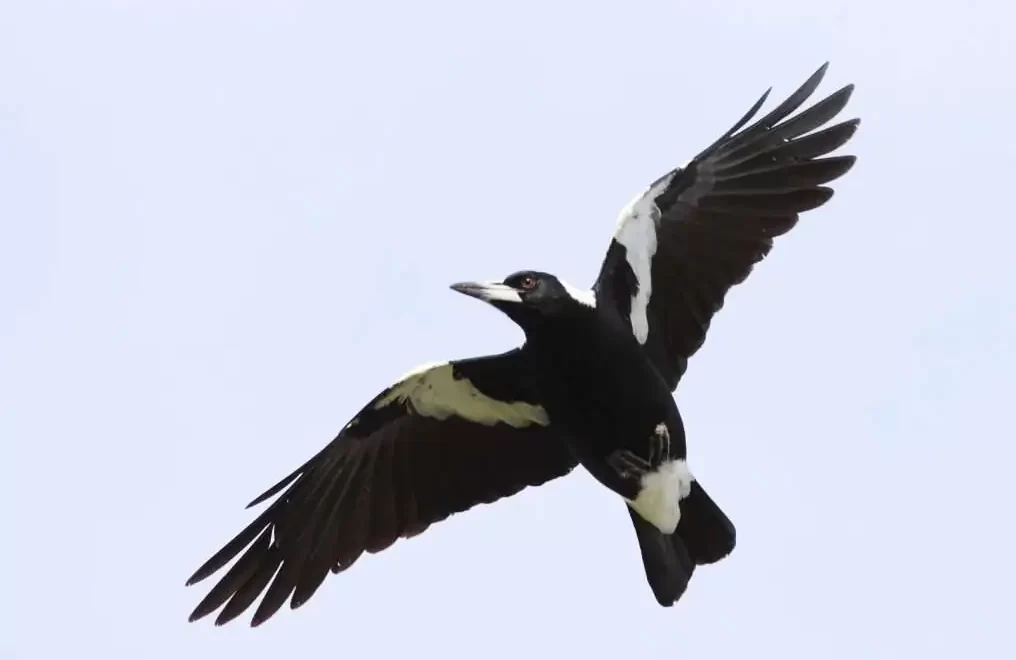
Spring in Sydney means warmer afternoons, longer days, flowers appearing everywhere… and the occasional WHOOSH above your head.
Yes, swooping season is back.
For adults, being swooped by a magpie can be startling. For a child walking or riding to school alone, it can be genuinely frightening — particularly if they don’t understand why it’s happening or what they’re supposed to do.
The good news is that most magpies don’t swoop people at all, and those that do aren’t being mean or hunting humans for sport.
They’re being very protective parents.
So rather than teaching kids to be frightened of magpies, swooping season is a great opportunity to teach them a little about Australian wildlife — and give them a simple plan for what to do if they hear that unmistakable flap of wings behind them.
First: Why Do Magpies Swoop?
Here’s perhaps the easiest way to explain it to younger children:
“The magpie has babies nearby and thinks you’re getting too close to its home. It’s trying to tell you to move away.”
That’s essentially what’s happening.
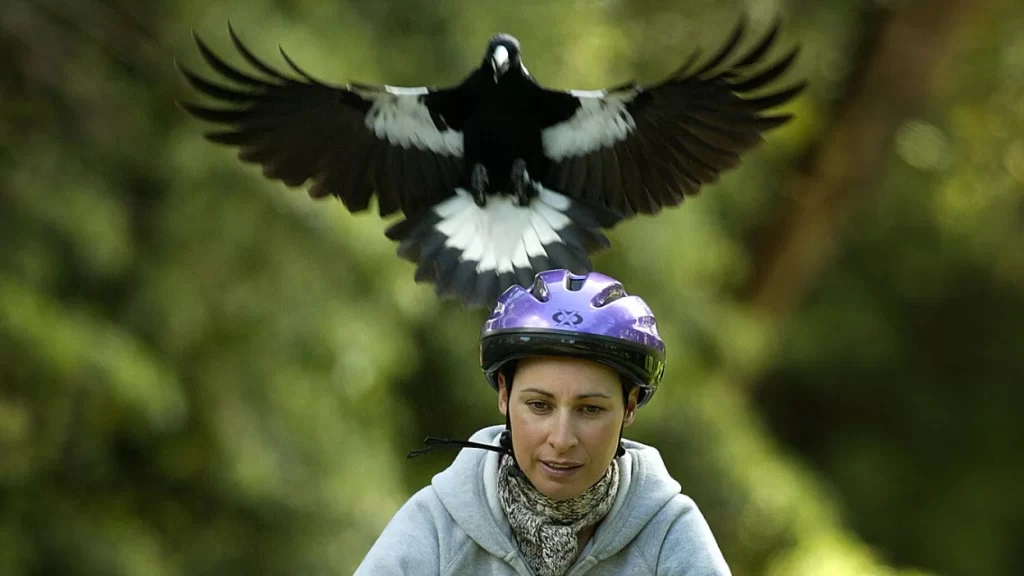
During breeding season, some male magpies become highly protective of their nest, chicks and newly fledged young.
People walking past can be interpreted as potential predators. Cyclists, runners and sometimes dog walkers may attract particular attention because faster movement can appear more threatening.
Importantly, most magpies don’t swoop. BirdLife Australia says fewer than 10% of male magpies swoop people.
Even among the birds that do swoop, actual contact is uncommon. Much of the terrifying experience is the bird flying very close overhead, sometimes accompanied by beak clicking.
That’s not necessarily much consolation when you’re eight years old and walking home from school — which is why knowing what to do beforehand can make such a difference.
When Is Magpie Swooping Season?
Australian magpie breeding season generally occurs during spring, with swooping commonly reported from around August to October, although timing varies depending on location and weather.
It can begin as early as July in some areas and continue later in the year.
The reassuring part is that an individual magpie generally isn’t going to defend its nesting area forever.
The behaviour is usually concentrated around the period when eggs, chicks or newly fledged birds are particularly vulnerable. Once the young birds have moved on from this stage, the swooping usually stops.
So if there’s suddenly a troublesome magpie along the school route, you may only need to avoid that particular spot temporarily.
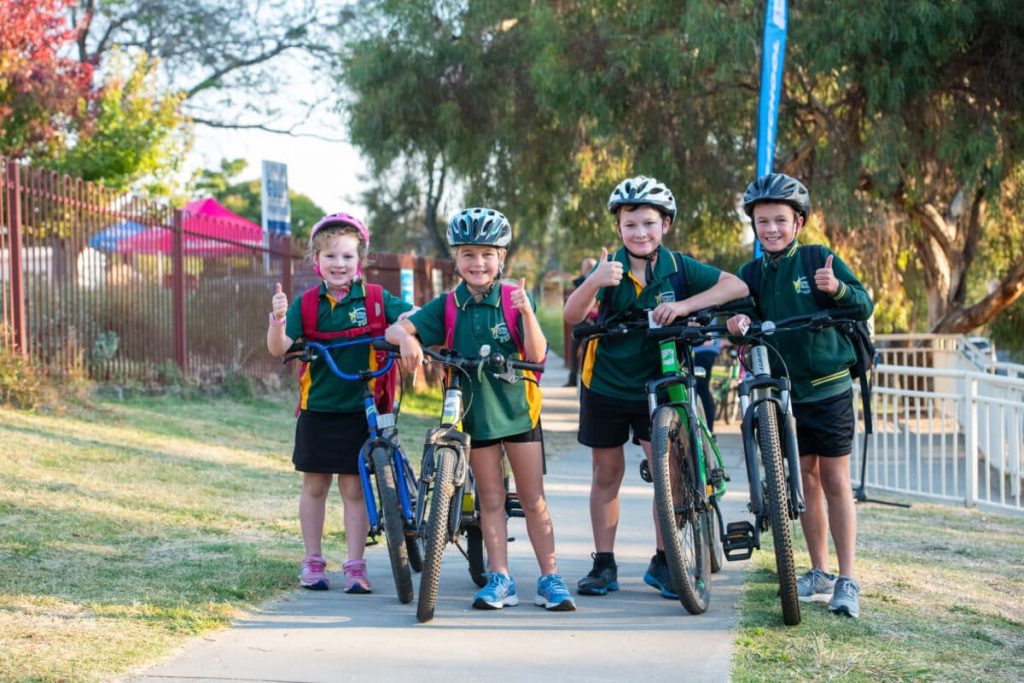
The School-Walk Rule: STOP, STAY CALM, WALK AWAY
If your children walk to or from school without you, give them a very simple rule they can remember.
1. DON’T RUN
A child’s natural reaction may be to scream and sprint.
Teach them to resist that instinct.
Stay calm, keep moving and walk quickly but safely away from the area.
Running, screaming, waving arms or trying to fight the bird can make the situation worse.
2. PROTECT YOUR HEAD AND EYES
A school hat is useful for more than sun protection during swooping season.
Children should wear their hat, and kids riding bikes or scooters should always have their helmet on.
Sunglasses can provide additional protection for the eyes.
If they’re carrying an umbrella, opening it overhead can provide another physical barrier.
3. KEEP WALKING
Don’t stop underneath the tree to investigate where the nest is.
The objective is simple:
Move out of the magpie’s territory.
Once you’re far enough away from the nest, the bird generally has no reason to continue following you.
Teach Kids to Spot a “Magpie Zone”
One of the most useful skills for children who travel independently is simply learning to recognise places where there may be a problem.
Tell them to look for:
- Council warning signs
- Other pedestrians changing direction
- A magpie repeatedly swooping people
- Birds behaving defensively around a particular tree or area
- A location where they or their friends have previously been swooped
If there’s another safe way to school, take the alternative route for the next few weeks.
An extra five minutes walking is preferable to running the daily magpie gauntlet.
Parents could even walk the school route with younger children at the beginning of spring and identify any areas they should be particularly aware of.
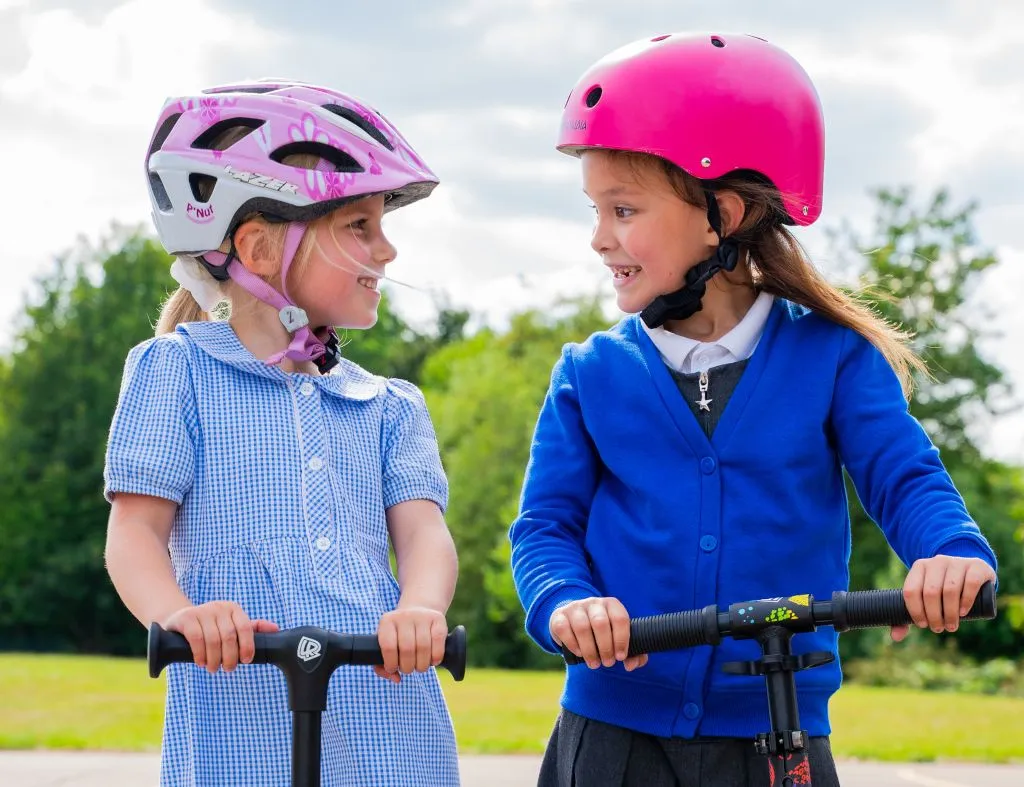
What If Your Child Rides a Bike or Scooter to School?
Cyclists can attract particular attention from swooping magpies.
The safest lesson for children is:
If there’s a known swooping area, get off the bike and walk it through — or preferably avoid the area altogether.
And, of course, keep the helmet on.
Some cyclists attach cable ties or other visual deterrents to helmets, but these shouldn’t replace the basic precautions of wearing proper head and eye protection and avoiding a known nesting area where possible.
Walking With Friends Can Help
There’s another very kid-friendly solution:
Walk to school together.
If several children from the same street or neighbourhood walk the same route, encourage them to meet up.
Apart from making the school journey more social, birds may be less inclined to target a group than an individual pedestrian.
It also means a child isn’t dealing with an unexpected swooping incident alone.
Things Kids Should NEVER Do to a Swooping Magpie
This part is just as important as telling them what they should do.
Teach children:
Don’t throw sticks or rocks.
Don’t wave your school bag at the bird.
Don’t try to hit it.
Don’t climb the tree looking for the nest.
Don’t deliberately tease or provoke it.
Apart from potentially injuring a protected native bird, antagonising the magpie isn’t going to improve the relationship.
Magpies are remarkably intelligent birds and can recognise individual human faces.
Being remembered as “that nice kid who walks past every morning” sounds considerably better than being remembered as “that kid who threw a stick at my nest.”
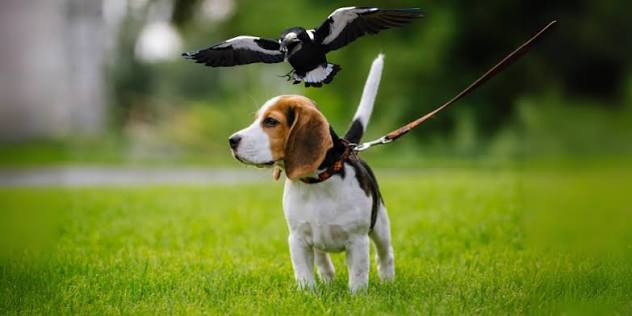
What About Dogs?
Keep dogs under control and preferably on a lead when passing nesting birds.
From a magpie parent’s perspective, a dog approaching the area around its chicks can look very much like a predator.
Keeping dogs close also helps protect young birds that may have recently left the nest and are spending time on or close to the ground.
Try This Conversation With Younger Kids
Rather than saying:
“Be careful! The magpies are attacking people!”
Try:
“It’s baby magpie season. Some magpie mums and dads get worried when people come close to their babies, so they sometimes fly over our heads to tell us to move away. If that happens, we stay calm, protect our head and keep walking.”
That changes the story from scary attacking bird to protective parent.
And that’s much closer to what’s actually happening.
Magpies Aren’t the Bad Guys
It’s easy for magpies to develop a terrible reputation every spring.
But swooping is temporary defensive behaviour, not evidence that magpies are naturally aggressive towards people.
They’re also an important part of our environment.
Magpies eat insects and other pests, forage through soil and leaf litter, and form part of the biodiversity of our parks, gardens and urban environment.
They’re also extraordinarily intelligent and social birds.
The vast majority live alongside us perfectly peacefully.
For a few weeks of the year, some simply become exceptionally enthusiastic parents.
The ESM Swooping Season School-Walk Checklist
Before your kids head off to school, remind them:
HAT ON – Protect your head.
EYES PROTECTED – Sunglasses can help protect your eyes.
LOOK FOR SIGNS – Pay attention to council swooping warnings.
DON’T RUN – Stay calm and keep walking.
DON’T FIGHT THE BIRD – Never throw things, wave sticks or try to hit it.
BIKE? GET OFF AND WALK – Particularly through a known swooping area.
CHANGE YOUR ROUTE – Avoid a known nesting area for a few weeks if there’s a safe alternative.
WALK WITH FRIENDS – There’s safety (and company) in numbers.
TELL AN ADULT – If you discover a new swooping spot on the way to school, tell a parent, teacher or another trusted adult.
And Remember: Swooping Season Doesn’t Last Forever
That angry-looking magpie guarding the corner near school isn’t planning to spend the rest of its life terrorising Year 4.
It’s protecting its family during a relatively short but vulnerable stage.
Give nesting birds some extra space, change your route temporarily where necessary and make sure children know exactly what to do if they’re swooped.
Before long, the chicks will have grown, the protective parenting will settle down and your neighbourhood magpies can go back to doing what they normally do.
Mostly wandering around the park looking innocent as though none of this ever happened.


