
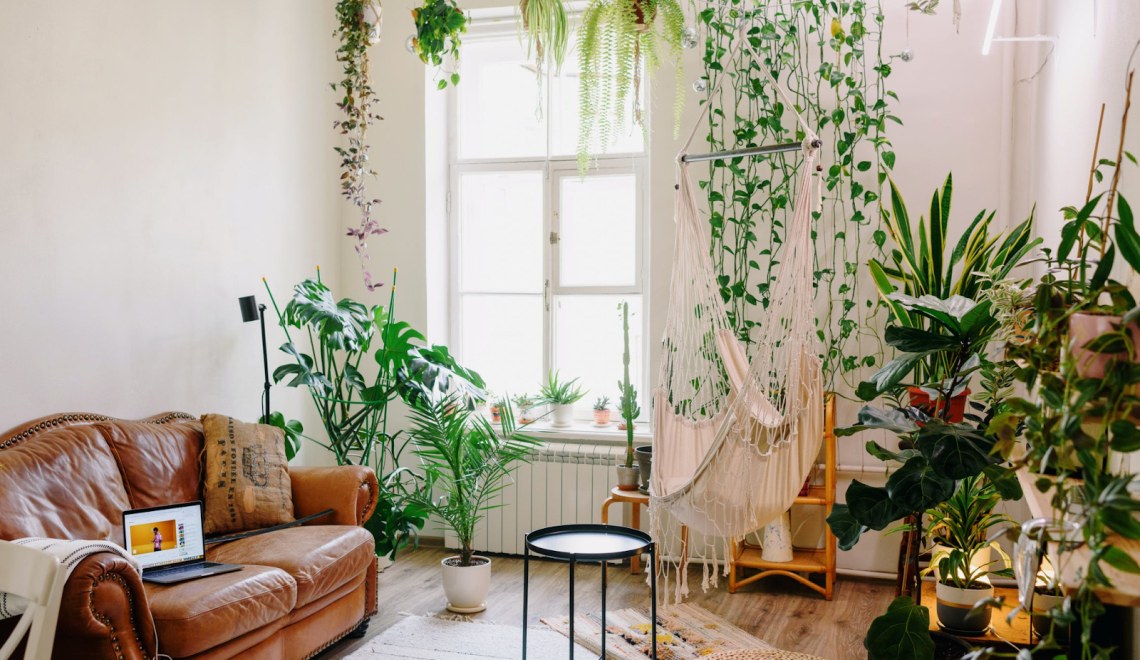
Family homes are busy by nature.
Shoes collect near the front door, toys seem to migrate from room to room, school bags appear on chairs, and every available surface somehow ends up serving more than one purpose. In homes with children, pets or simply a full household routine, adding more décor can sometimes feel like adding more clutter.
That is one reason indoor plants can be such a welcome exception.
Greenery softens hard surfaces, brings life into overlooked corners and can make a home feel calmer and more considered. But there is one obvious challenge: plants need somewhere to go.
In smaller homes, apartments and busy family spaces, sacrificing valuable floor area for large pots is not always practical. The solution is often to think vertically rather than horizontally.
Choosing a plant stand for displaying indoor plants without cluttering valuable floor space can help create height, visual interest and a more organised way to bring greenery into the home.
The idea is simple: instead of spreading plants across every available surface, use elevation to make them feel intentional.
Why Greenery Works So Well in Family Homes
Indoor plants are one of the easiest ways to make a room feel more welcoming.
They introduce colour without requiring bold paint choices, add softness to rooms dominated by furniture and create a visual connection with the outdoors.
This can be especially effective in family homes where practicality tends to shape the décor.
A living room may need durable furniture. A hallway may need storage. A dining area may need to work for homework as well as meals.
Plants can add personality without interfering with those functions.
The key is placement.
When greenery is positioned thoughtfully, it becomes part of the design rather than another object competing for space.
Use Height Instead of More Floor Area
One of the most common mistakes when styling plants is keeping everything at the same level.
Several pots lined up across the floor can make a room feel crowded, particularly in smaller spaces.
A plant stand changes that instantly.
By lifting a plant higher, the eye moves upward rather than outward. This creates a sense of vertical space and allows the greenery to contribute to the room without taking up a large footprint.
It is the same principle often used in interior design with tall lamps, vertical shelving and artwork.
Height helps a room feel more layered.
For busy households, that means more visual interest without losing precious walking space.
Create a Green Corner Instead of Spreading Plants Everywhere
Family homes often feel calmer when items are grouped rather than scattered.
The same applies to plants.
Instead of placing one pot on the coffee table, another on a windowsill, one on the floor and another on a sideboard, try creating one defined green zone.
A sunny corner of the living room can become a small plant display.
Using stands at different heights makes it easy to create depth while keeping the arrangement compact.
One taller plant can sit at the back, while smaller pots can be elevated nearby.
This approach turns several individual plants into one intentional feature.
It also makes watering and maintenance easier because everything is concentrated in one area.
Make Better Use of Awkward Corners
Every home has spaces that are difficult to decorate.
The corner beside a sofa.
The small area next to a sliding door.
The space between a cabinet and a window.
These areas are often too narrow for furniture but large enough to look empty.
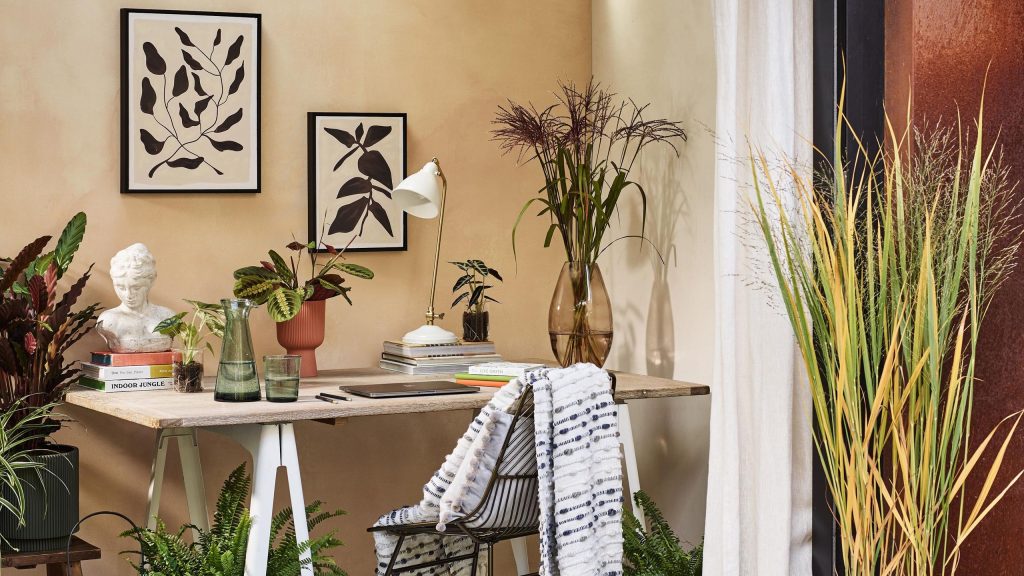
A plant stand is useful because it can fill these gaps without overwhelming them.
A single plant positioned at the right height can soften an awkward corner and help connect nearby furniture visually.
In open-plan family homes, this can also help define zones without creating physical barriers.
For example, a plant stand positioned between the living and dining areas can create a subtle transition while keeping the space open.
Keep Surfaces Clear
In a busy home, flat surfaces disappear quickly.
Kitchen benches collect lunch boxes.
Dining tables become homework stations.
Sideboards hold keys, mail and chargers.
Coffee tables attract toys and cups.
Using these surfaces for plants may look beautiful in photographs, but it is not always practical in everyday family life.
Plant stands give greenery its own dedicated place.
This helps keep functional surfaces available for the things the household actually needs.
It also reduces the constant movement of pots whenever a table needs to be cleared.
In homes where organisation matters, giving each item a defined place can make a surprisingly big difference.
Think About Children and Pets
Any decorative decision in a family home needs to consider who lives there.
Young children may be curious about soil, leaves and pots. Pets may also investigate plants placed directly on the floor.
Elevating greenery can sometimes help keep smaller plants away from high-traffic areas and reduce accidental knocks.
Of course, placement still matters.
A plant stand should be positioned on a stable surface and away from areas where children are likely to run or play.
It is also important to research whether a particular plant is suitable for homes with pets or young children.
The aim is not simply to make plants look good.
It is to incorporate them into the home in a way that works with everyday family life.
Use Plants to Soften Storage-Heavy Rooms
Family homes often need a lot of storage.
Cabinets, shelving units, baskets and drawers are essential, but a room filled entirely with practical furniture can start to feel visually heavy.
Plants provide contrast.
A soft trailing plant beside a structured cabinet or a leafy plant elevated next to a storage unit can break up hard lines and make the room feel more relaxed.
This works particularly well in living rooms, family rooms and entryways.
The combination of practical storage and organic greenery creates balance.
Neither element has to compete with the other.
Add Greenery to Bedrooms Without Adding Clutter
Bedrooms can also benefit from plants, but floor space is often limited.
This is especially true in children’s rooms, guest rooms or smaller master bedrooms.
Instead of placing a large pot beside the bed, consider a narrow plant stand near a window or unused corner.
The plant adds colour and life without interfering with bedside storage or walking space.
In adult bedrooms, this can support a calmer visual atmosphere.
In children’s rooms, a simple plant display can add personality without introducing more toys or decorative objects.
Small Balconies Can Benefit Too
In apartments and townhouses, balconies often become important extensions of the living space.
But they can also be difficult to style.
A row of pots across the balcony floor quickly reduces usable space, especially if the area also needs seating.
Plant stands help lift greenery and make better use of vertical space.
This can allow room for a chair, small table or play area while still creating a lush look.
Grouping plants at different heights can also make a small balcony feel more established and garden-like.
The result is a space that feels intentional rather than crowded.
Match the Stand to the Room
A plant stand is functional, but it also becomes part of the furniture.
That means style matters.
Wooden plant stands can add warmth to neutral interiors and work particularly well with natural materials such as linen, timber furniture and woven baskets.
Metal designs may suit more contemporary or industrial spaces.
Simple silhouettes tend to work best in family homes because they integrate easily with existing furniture.
The goal is for the stand to support the plant, not compete with it.
A cohesive finish makes the greenery feel like part of the room rather than an afterthought.
Use Different Heights for a More Designed Look
Professional interior styling often relies on variation.
Objects arranged at exactly the same height can appear flat.
Different heights create rhythm.
This principle works perfectly with plants.
A taller stand beside a shorter pot creates depth. A medium-height plant can bridge the gap between floor-level furniture and wall décor.
Even two or three plants can look much more intentional when their heights vary.
This is one of the easiest ways to make a simple plant collection feel styled rather than accidental.
Choose Plants That Suit Real Family Life
A beautiful plant that requires constant attention may not be the best choice for a household already juggling work, school and weekend activities.
Low-maintenance plants are often more realistic.
The right choice depends on light levels and the specific conditions of the room, but the general principle is simple: choose greenery that works with the home you actually have.
A low-maintenance plant displayed well will usually look better than a demanding plant that is constantly struggling.
Good styling starts with practicality.
Less Can Look Better
There is no need to turn every room into an indoor jungle.
In fact, a few carefully placed plants can have more impact than dozens of pots scattered around the house.
One strong plant in an overlooked corner may be enough to change the feel of the room.
A pair of stands at different heights can create a feature without taking over the space.
This is particularly important in family homes, where visual calm can be valuable.
Greenery should make the room feel fresher, not busier.
A Simple Way to Refresh a Room
One of the best things about plant styling is that it does not require a major renovation.
There is no painting, drilling or building involved.
A plant and the right stand can change the balance of a room in minutes.
This makes it particularly useful for renters or families who want to refresh their home without committing to permanent changes.
It is also easy to move the arrangement as the household changes.
A plant stand can shift from the living room to the bedroom, balcony or entryway depending on what the space needs.
That flexibility makes it a practical décor choice for homes that are constantly evolving.
Final Thoughts
Bringing more greenery into a family home does not have to mean sacrificing valuable space.
The most effective approach is often to give plants height and purpose.
Plant stands allow greenery to move upward, making use of vertical space while keeping floors, tables and benches clearer.
They can transform awkward corners, soften storage-heavy rooms, create compact green displays and bring life into spaces that might otherwise feel unfinished.
For busy households, that balance matters.
A home can be practical and still feel beautiful.
Sometimes, all it takes is one well-placed plant, lifted just high enough to let the room breathe.


