
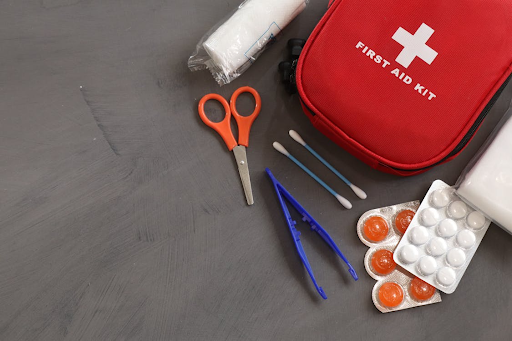
Any mum knows the importance of a fully-functioning first aid kit. You simply never know when illness or injury will strike, and the chances are that at least one member of your family will be dealing with sniffles or scrapes at any given time. The ability to reach right for what you need to ease pain or clean up a wound is essential. But did you know that traditional first aid kits also hold dangers of their own?
The presence of medication in a family home is becoming especially problematic, and there are far too many stories about accidental ingestion out there for comfort, sometimes with fatal consequences. Even medications that are tailored towards children can lead to issues like liver damage if they’re overused or ingested in high quantities. And when even your first aid kit poses a health risk, it’s easy to feel like you can get anything right.
Unsusprisingly, parents are increasingly turning to a safer alternative, and it comes in the form of a natural first aid kit. As the name suggests, this is ultimately a first aid kit filled with harmless, natural items that can help get family health back on track without the bad stuff. But, how do you stock a natural first aid kit that’s actually fit for dealing with the array of medical problems you’re likely to face? Keep on reading to find out.
# 1 – Know What Natural Remedies to Keep on Hand
Natural remedies might sound a little kooky, but they kept our ancestors healthy long before modern medicine. While there are some overblown health claims attached to certain natural solutions, you’d be surprised how effective a lot of natural remedies can be.
When starting with natural first aid, simply make sure you’re seeking remedies with the best proven results and the widest possible applications. You don’t want some expensive niche mushroom powder that deals solely with one condition that your family may or may not face. You want accessible, affordable, and all-around natural options, such as –
- Aloe vera gel: Aloe vera’s healing qualities are widely known, and aloe vera gel is fantastic for soothing burns or helping skin irritation.
- Tea tree oil: Tea tree oil is a natural antiseptic that can be used for everything from cleaning minor cuts to easing bites and stings.
- Propolis spray: Propolis spray has anti-inflammatory, anti-bacterial, and anti-viral properties, making this a great go-to for sore throats, immune support during illness, and wound healing
- Activated charcoal: Activated charcoal tablets are worth having on hand for minor cases of food poisoning or as a way to detox from a tummy bug, though they should always be used sparingly.
# 2 – Herbal Teas That Might Help
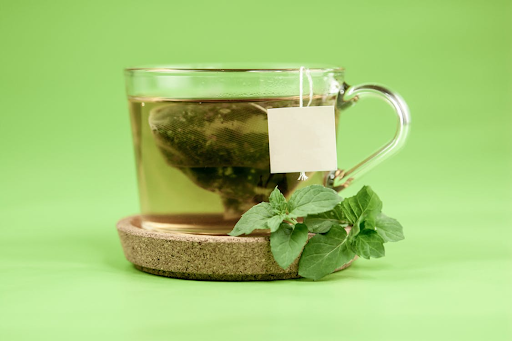
We know what you’re thinking – the idea of keeping herbal teas in your first aid kit is exactly why you wanted to avoid all of this hippy mumbo jumbo in the first place. But think again, because herbal teas hold a surprising amount of soothing benefits. Admittedly, you can’t offer a cup of tea and ensure that your family is fully healed by the time they’ve finished, but the right herbal teas offered alongside the natural remedies we’ve discussed can lead to undeniable improvements.
Bear in mind that not all herbal teas are created equally, so you’ll want to choose your selection with care, and depending on specific health conditions, as follows –
- Bloating or digestive trouble: Herbal teas should be an absolute go-to if any member of your family is experiencing digestive discomfort, bloating, or just a generally bad tummy. The best options for this include peppermint, ginger, and fennel tea.
- General illness: If there are bugs and viruses in your home, then reach for healing herbal teas like elderberry, ginger, and rosehip, which are known for being rich in antioxidants and all-important vitamins. Camomile tea can also be a fantastic before-bed solution to ensure a good night of healing sleep.
- Pain or swelling: Pain or swelling after an injury? Soothe it with solutions like turmeric or meadowsweet tea, both of which could help.
# 3 – Store Cupboard Essentials for Emergencies
You know your store cupboard is a great place to whip up a last-minute meal, but first aid? Really?
Yes, really! There are all manner of things hiding in your store cupboard that are worth pulling into your first aid kit during an emergency health situation. Coconut oil is probably the most obvious of these, and is handy as a base for a range of natural remedies. For instance, mixing high-quality coconut oil with eucalyptus essential oil can help you with your very own chemical-free vapo-rub. Coconut oil is also anti-fungal, making it a fantastic base for any herbs or other solutions you might wish to apply.
Apple cider vinegar also has many unexpected medical uses. In fact, this wonder ingredient possesses its own antibacterial properties, meaning that mixing half a cup of apple cider vinegar with half a cup of water will give you the ideal solution for cleaning cuts and other minor injuries. Ingesting a spoonful of apple cider vinegar mixed into a cup of water can also lead to improvements for conditions like diarrhea, due to its antiseptic properties.
And, of course, honey deserves a mention here, too, thanks to its antibacterial and soothing qualities, which make it ideal for healing everything from minor cuts to sore throats and cold symptoms.
Don’t Forget First Aid Essentials
Even if you’re swapping over to a natural first aid kit, you’re going to need all of the essentials that come with first aid kits as standard. As such, alongside your herbal teas and pots of natural oils, you must never forget to also stock up on –
- A digital thermometer
- Heating pads/reusable ice packs
- Plasters and bandages
- Gauze dressing
- Natural cleansing wipes
With these additions to finish things off, your natural first aid kit will soon be fully stocked, and just as ready to tackle coughs, colds, and cuts as the medicine-heavy one you’ve been using until now.
The importance for children to have basic First Aid knowledge.


