

Buying a mattress for your family sounds simple until you actually start doing it. One child is growing fast and using the bed like a trampoline, the teenager struggles to get enough sleep, no matter how early they go to bed, and you (and the other adults) wake up each morning wondering why your back feels worse than the night before.
Everyone needs something different, yet most stores and websites push the idea that one mattress will suit the whole household, which rarely matches real life.
That’s why it helps to look at mattress buying through the lens of age and stage of life. This article breaks down the steps when choosing a mattress for kids, teens, and parents, so you can make confident decisions and build a home where everyone wakes up feeling better rested.
Start With the Right Mattress Size for Each Age
Choosing the right size is one of those decisions that quietly affects everything else, from how comfortable the bed feels to how the room functions day to day. For younger kids, the focus is usually on safety and making the most of limited space.
Teenagers, on the other hand, need extra length as growth spurts kick in, while most parents care far more about width and having enough room to actually stretch out.
Before locking anything in, refer to the different mattress sizes in Australia and analyse how they fit both the sleeper and the room. A mattress that’s too small can leave someone tossing and turning, while one that’s too large can crowd a bedroom and eat into storage or play space.
Always measure the room properly, leave enough space to move around the bed comfortably, and think about how long that mattress will realistically suit your child as they grow.
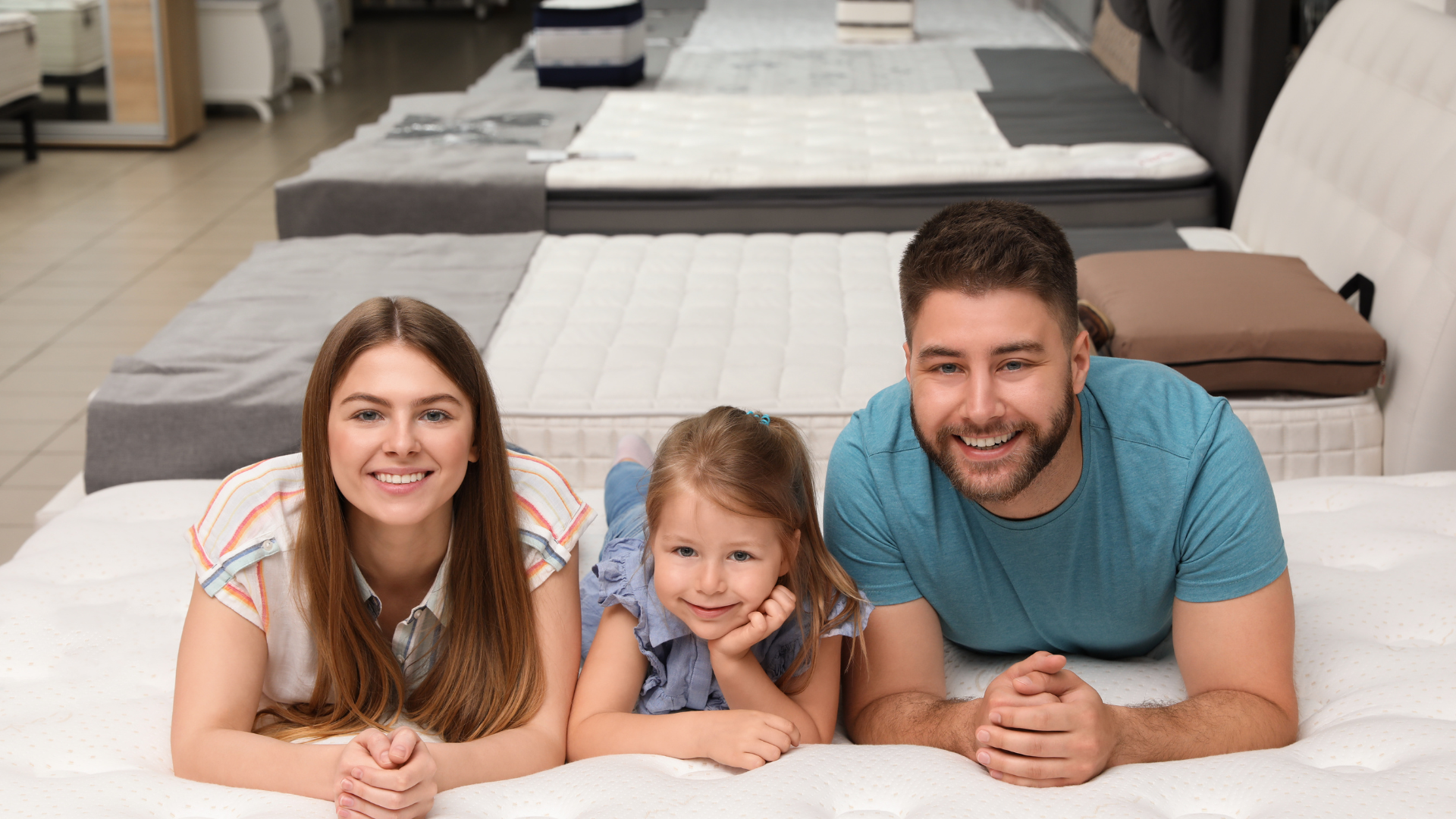
Choose Support That Matches Growing Bodies
Children and teens are still developing, so spinal alignment matters. A mattress that’s too soft can cause poor posture, while one that’s overly firm may create uncomfortable pressure points.
For kids, a medium firmness level usually works well. It offers enough spinal support without feeling rigid. Teens often benefit from a slightly firmer surface, especially if they sleep on their back or stomach.
Meanwhile, adults should be more specific. If back pain is already present, the mattress needs to support natural curves and distribute weight evenly. Pressure relief becomes essential to avoid sore hips, shoulders, and lower back strain, and improve overall sleep quality.
Understand Mattress Types Before Comparing Prices
Before you start comparing price tags, it helps to understand what you’re actually paying for. The materials inside a mattress affect how it feels, how long it lasts, and whether you wake up cool or overheated. Here’s a simple breakdown of the main mattress types you’ll come across:
- Foam Mattresses: These mould closely to the body and are popular for pressure relief. Memory foam mattress, in particular, reacts to heat and weight, which helps reduce pressure on hips, shoulders, and the lower back. Some people love the hugged feeling, while others find it makes turning over harder or hold onto warmth through the night.
- Spring Mattresses: This is the more traditional style with a noticeable bounce. Pocket spring designs allow each spring to move on its own, which reduces motion transfer and gives more targeted body support. This makes them a solid option for teens who move around a lot in their sleep or anyone who prefers a firmer, more responsive surface.
- Latex Mattresses: Made with latex foam, these feel supportive and springy without the deep sink of memory foam. Latex foam mattress is often chosen for their durability and their ability to keep support even across the whole mattress, which works well for growing kids and adults alike.
- Hybrid Mattresses: These combine foam layers on top with a spring system underneath. They suit families who want cushioning without losing the strong support that springs provide. Hybrids also tend to allow more airflow, which helps manage heat for anyone who sleeps warm.
Understanding these differences first makes the rest of the buying process far less confusing, especially once you start comparing comfort levels, support needs, and long-term value.
Factor in Sleeping Position and Daily Habits
Once you’ve narrowed down the type of mattress, it’s time to think about how each person actually sleeps.
Side sleepers usually need more cushioning around the shoulders and hips, back sleepers tend to feel best with even support that keeps the spine aligned, and stomach sleepers often need something firmer to stop the lower back from sinking too much.
Daily habits also play a part. A teen who studies in bed or an adult who reads every night before sleeping puts extra wear on certain areas of the mattress, which makes durability and stable support far more important over time. You may also need to invest in mattress protectors.
Takeaway
Buying a mattress for your family requires you to understand what each person needs at their stage of life and choose something that genuinely supports their sleep health. When the size, feel, and materials are chosen with care, kids sleep more soundly, teenagers wake up less exhausted, and adults finally get through the morning without that familiar stiffness.
Creating Your Family Wellness Hub: Smart Home Updates That Actually Make a Difference


