
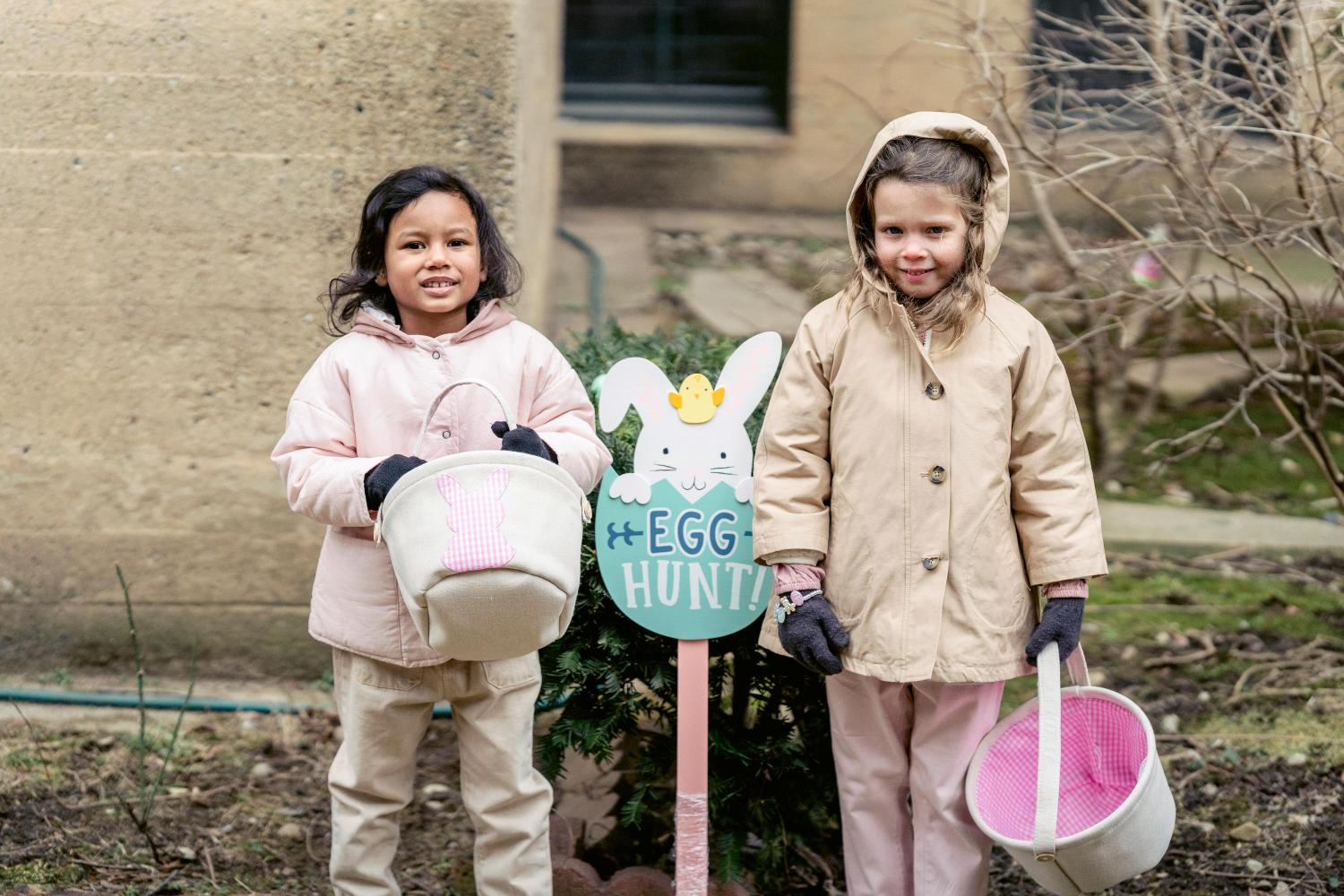
School holidays present a wonderful opportunity for young children to burn energy, explore their curiosity, and develop new skills away from the classroom routine. For parents of preschoolers, finding the right balance between active play and educational engagement can sometimes feel challenging. Fortunately, some of the most enriching experiences are also the simplest and most fun.
Here are three engaging activities that seamlessly combine physical movement with valuable learning opportunities for your young children:
1. Embark on a Nature Scavenger Hunt Walk
Transforming a simple walk into a focused exploration is a fantastic way to keep little legs moving and young minds engaged. Instead of a standard stroll, turn your local park, beach, or even a bush trail into an outdoor classroom. Begin by giving your preschooler a small bag or a cardboard tube from an old paper towel roll to use as a “treasure collector” and viewer. Before you head out, create a simple list of items to find together. This list can include different colored leaves, interesting-shaped sticks, smooth or rough rocks, feathers, flowers, or specific items like something yellow or something that makes a sound.
As you walk, encourage your child to describe what they see, feel, and hear. Ask questions like, “Do you think this leaf is bigger than your hand?” or “I wonder what bird made that sound?” This activity can naturally build vocabulary, introduce basic scientific observation skills like comparing and categorising, and develop gross motor skills through walking, bending, and reaching. The change of scenery and the thrill of the hunt can make the play more memorable and feel like an exciting game rather than a chore.
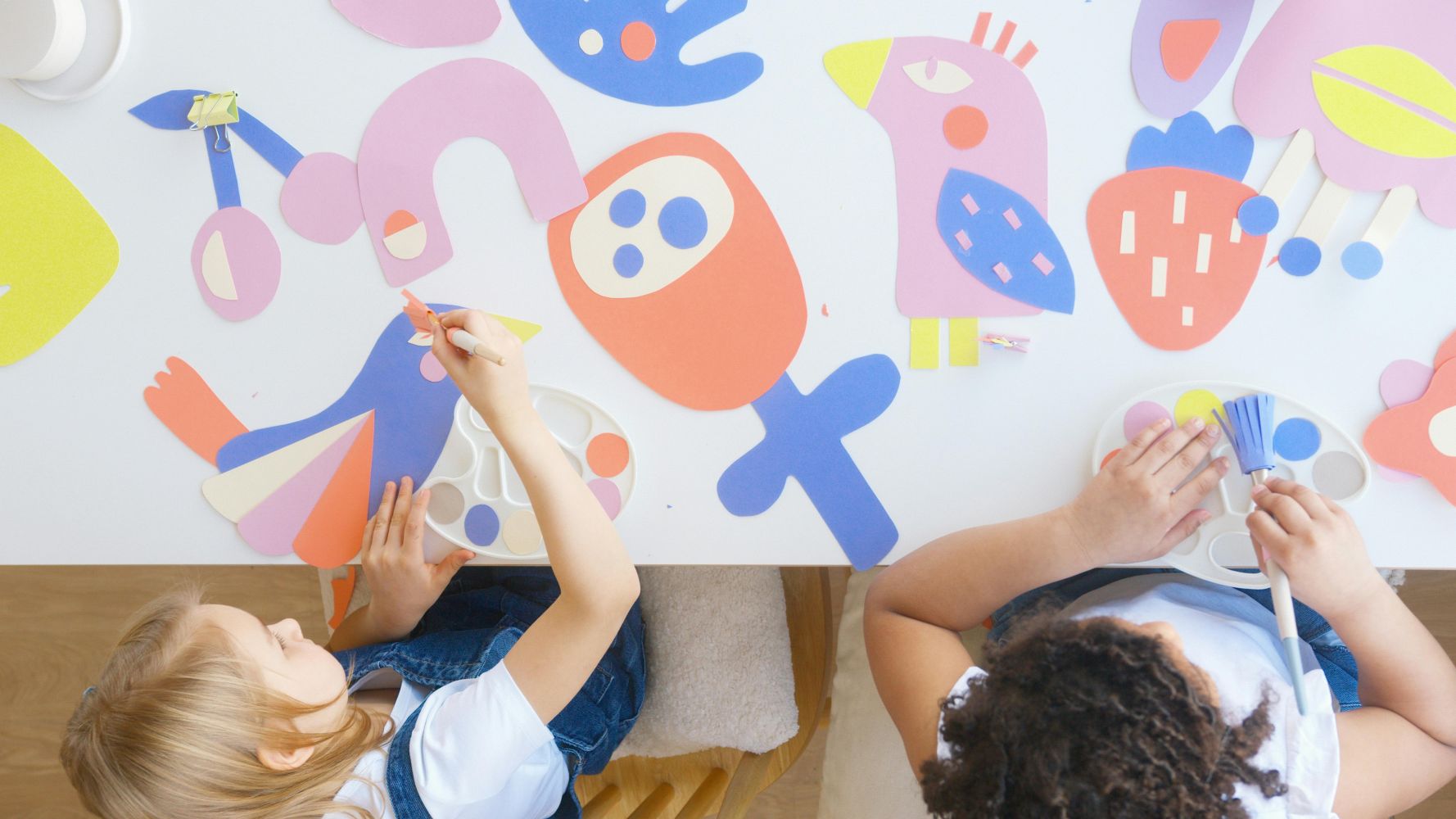
2. Host a Themed Sensory Craft Station
Art and craft activities are classic go-tos, but by adding a sensory-rich theme, you can elevate a simple craft session into an immersive learning experience. Cover a table with butcher’s paper and set up a station based on a theme your child loves, such as the ocean, space, or the farm.
For an ocean theme, provide blue and green playdough, shells, small toy fish, and blue watercolour paints. For a space theme, offer black paper, star stickers, tin foil for moulding into rockets, and glow-in-the-dark paint. Collecting natural materials like leaves and twigs beforehand can also add an earthy texture to nature-themed creations.
This type of activity is exceptional for fine motor skill development as children squeeze, pinch, roll, cut, and glue. They can learn to make choices, follow a creative impulse, and express their ideas. The themed context naturally introduces new vocabulary and concepts. As they work, engage them in conversation: “What does that planet need? How many stars will you put in your sky?”
The focus is on the process of creation and exploration, not on producing a perfect final product. This open-ended approach can encourage imagination, concentration, and a love for creative problem-solving. Displaying their finished artwork around the house afterwards can provide a wonderful confidence boost and celebrate their efforts.
Furthermore, if you’re looking for even more holiday activities for 4 year olds, check out this helpful guide with additional ideas for keeping young kids entertained during the school break. It offers further inspiration for both indoor and outdoor fun that’s sure to capture your preschooler’s interest.
 3. Create a Dynamic Indoor Obstacle Course
When weather or space limits outdoor time, an indoor obstacle course can be a superb way to channel a preschooler’s boundless energy while fostering critical thinking and motor planning. Use pillows to create a “river” of stepping stones, a line of masking tape on the floor for balance walking, a child-sized tunnel made from chairs and a blanket, and a designated spot for five-star jumps or hopping on one foot. The living room or hallway can easily transform into an adventure zone with items already found around the house.
The learning happens on multiple levels. As children navigate the course, they can practice gross motor skills like jumping, crawling, and balancing. More importantly, they engage in complex problem-solving. They must remember the sequence of steps, figure out how to maneuver their bodies under a low table, or decide the best way to cross the pillows without falling into the “water.”
Involve them in the setup process, asking for their holiday ideas on what challenges to include. This can turn the activity into a creative project, boosting their confidence and sense of ownership. To keep the experience fresh, you can rotate lesson plans by introducing new themes, such as incorporating holiday music for a Christmas-themed course or using story box ideas to turn the obstacle course into a narrative adventure where kids rescue a toy or cross a dragon’s river.
During the festive season, adding touches like colored decorations can capture the seasonal and holiday spirit and transform the living room into a special holiday station. Vary the course each day to keep it fresh and continue challenging their developing brains and bodies. You can even introduce simple counting or color recognition by assigning numbers or colors to different stations, and for an extra creative twist, let children create finishing medals or badges using ornament works supplies like cardboard and glitter to celebrate their completion of the course.
Conclusion
The school holidays can provide a valuable window for preschoolers to grow and discover the world around them through purposeful play. By keeping the information mentioned above in mind, you can create a break that’s both memorable and developmentally rich. These seasonal activities require minimal preparation but yield maximum engagement, turning ordinary days into adventures filled with laughter and learning. The key is to remember that for a young child, every moment holds the potential for discovery, especially when they’re having fun.
Rabbit Hopping Competition Returns to the Sydney Family Easter Show – Good Friday


