
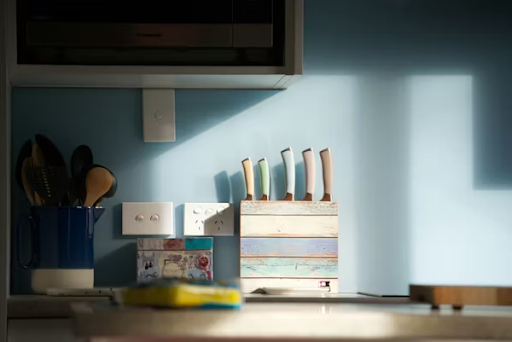
Let’s be honest. Some mornings feel like you’re running an obstacle course before 8am. There’s the lost shoe saga, the “I forgot I need cupcakes for school today” bombshell, and the eternal mystery of where every single matching sock has disappeared to.
If you’ve ever stood in the middle of your house thinking “there has to be a better way to do this,” you’re not alone.
The truth is, the tiny systems and routines we build at home ripple out into every part of family life. When the house runs a little smoother, mornings feel calmer, the kids are more settled, and (miracle of miracles) you might even get five minutes to drink a hot cup of tea.
None of this requires a complete life overhaul. It’s about targeted, practical changes in the areas that matter most: how your home is organised, what goes into school lunchboxes, and how you support your kids when the academic pressure starts building.
This one’s for every mum who wants less chaos and more breathing room. Let’s get into it.
Start With What You See: Decluttering and Organising Your Space
If you’ve ever walked into a room and felt instantly overwhelmed, chances are it’s not the room itself. It’s the visual noise. Piles of papers on the bench. Kids’ art projects stacked on every surface. A drawer that hasn’t closed properly since last winter.
When our environment feels cluttered, our brains struggle to focus and rest, and that’s backed up by research. A study from Princeton University found that physical clutter competes for our attention, increasing stress and reducing our ability to process information.
So where do you start? Forget the idea of a whole house blitz in a single weekend. That’s a fantasy sold by TV makeover shows. The real magic happens in micro declutters: fifteen minutes a day, one drawer, one shelf, one corner. Pick the spot that bothers you the most and begin there.
For families, the biggest clutter culprits tend to be the kitchen, the entryway, and the kids’ rooms.
In the kitchen, the goal is clear benchtops. Everything you use daily should have a dedicated home. If it doesn’t, it’s either in the wrong spot or you have too much of it. A simple shelf or tiered display on the bench can hold everyday oils, spices, and condiments upright and visible, freeing up the workspace you actually need.
The same principle applies to kids’ rooms and play areas. Toys, books, and craft supplies multiply like rabbits, and open storage systems are your best friend here.
Clear containers, wall mounted shelving, and properly labelled bins mean kids can actually see what they have (and, with a little encouragement, put things back). If you’re looking to shop acrylic shelf displays that work beautifully in kids’ rooms, bathrooms, or even your own vanity area, acrylic shelving is a smart pick. It’s lightweight, modern, and blends into practically any space without making a room feel heavy or cramped.
One tip that’s genuinely transformed how organised families stay on top of things: the “one in, one out” rule. Every time something new comes into the house, something old leaves. It’s simple, the kids can learn it, and over time it becomes second nature.
Pair that with a seasonal cull at the start of each school term and you’ll notice a massive difference in how your home feels.
The entryway deserves special attention too. Think hooks at kid height for bags, a tray or basket for shoes, and a small shelf or pinboard for notes, permission slips, and weekly schedules. When everything has a landing zone, you spend less time searching and more time actually getting out the door.
If you’re after more ideas on creating a home that works for your family, practical updates like better furniture choices and improved airflow can also make a surprising difference to how your household functions day to day.

Rethinking the Lunchbox: Healthy, Easy, and Actually Eaten
Now let’s talk about the daily task that quietly takes up more mental energy than most people realise: packing school lunches.
It’s not just about food. It’s about nutrition, variety, allergen awareness, time, budget, and the soul crushing reality that your child will sometimes bring home an untouched lunchbox because “the banana was too brown.”
If you find yourself staring into the fridge at 7am with absolutely no inspiration, you’re in good company. The trick isn’t finding 365 different lunch ideas. It’s building a reliable rotation of meals your kids will actually eat, then making assembly as fast and painless as possible.
A great starting point is the “builder” method. Rather than thinking about lunches as whole meals, think of them in components: a protein (chicken strips, boiled eggs, cheese cubes), a grain or carb (crackers, wraps, rice), a fruit, a veggie, and a small treat.
When each element is prepped ahead of time (Sunday batch cooking is a lifesaver), putting together a balanced lunch takes under five minutes.
The container you use matters more than you’d think, too. Flimsy plastic bags lead to squished sandwiches and leaking yoghurt, while oversized containers leave food rattling around and looking unappetising.
Compartmentalised lunchboxes have changed the game for so many families because they keep everything separated, portion controlled, and visually appealing. Kids eat with their eyes first, and a well organised lunchbox genuinely makes them more likely to eat what’s inside.
If you want to shop bento box for kids, you’ll find options designed specifically for little hands, with secure seals that won’t pop open inside a school bag.
Here are a few lunch assembly ideas that work on repeat without getting boring. Pinwheel wraps with cream cheese and cucumber. Mini quiche cups made in a muffin tin on the weekend. Cold pasta salad with cherry tomatoes and pesto. Homemade bliss balls with oats, honey, and coconut. Rice paper rolls with shredded carrot and chicken.
These all hold well in a lunchbox and, crucially, they pass the kid taste test.
Another underrated tip: involve your children in the process. Even kids as young as four can help wash fruit, place items into compartments, or choose between two snack options. It builds independence, reduces the “I don’t want that” complaints, and teaches them about food and nutrition without it feeling like a lesson.
For those dealing with fussy eaters, patience is genuinely the best tool you have. Research shows it can take up to fifteen exposures to a new food before a child accepts it. Keep offering new things alongside familiar favourites, and resist the urge to turn mealtimes into battles. A relaxed approach almost always wins in the long run.

Supporting Your Child When the Academic Pressure Builds
As kids get older, the nature of parenting shifts. You go from managing nap schedules and playdate logistics to navigating homework meltdowns, exam stress, and the increasingly high stakes world of senior schooling.
And while every stage has its challenges, watching your child struggle academically can feel particularly helpless.
The thing is, academic pressure doesn’t just come from school. It comes from peers, from social media, from self imposed expectations, and sometimes (even with the best intentions) from us.
One of the most important things we can do as parents is create an environment where effort is valued over results. Sounds simple, but it’s surprisingly hard to practise when report cards arrive and comparison creeps in.
At home, this looks like having honest conversations about what’s going well and where they’re finding things tough. It looks like noticing when they’re overwhelmed and stepping in before burnout hits. And it looks like helping them access the right support when what they need goes beyond what you can offer at the kitchen table.
For students preparing for major exams like the VCE, the gap between understanding a subject and performing well under timed exam conditions can be significant.
Classroom teaching covers curriculum, but it doesn’t always teach strategy: how to break down a question, how to manage time during a paper, how to structure a response that actually hits the marking criteria.
That’s where external coaching can make a real difference. If you’re looking to find quality VCE tutoring that goes beyond rote learning and actually equips students with exam technique and confidence, it’s worth exploring dedicated coaching services that understand the system inside out.
But support isn’t only about academics. The mental health conversation is just as critical.
Teens under academic pressure often internalise stress in ways that don’t show up immediately. Changes in sleep patterns, withdrawal from social activities, irritability that seems out of proportion: these can all be signs that the pressure is becoming too much.
Keeping the lines of communication open, without turning every conversation into an interrogation, gives your child a safe space to express what they’re feeling.
Practically, there are a few things that help. A consistent study routine (not a rigid one, but a predictable one) reduces decision fatigue. A dedicated workspace, even just a cleared section of the dining table with good lighting, signals to the brain that it’s time to focus.
Breaking large tasks into smaller chunks with short breaks makes revision feel less insurmountable. And building in genuine downtime, not screen time disguised as rest, but actual restorative activities like sport, music, or time with friends, is non-negotiable for wellbeing.
It’s also worth remembering that not every child learns the same way. Some are visual learners. Some need to talk about ideas out loud. Some retain information best when they write things by hand.
Paying attention to how your child naturally processes information and then supporting that style can unlock progress in ways that a one size fits all approach never will.
Bringing It All Together
None of this is about achieving some impossible standard of domestic perfection. It’s about identifying the pressure points in your day, the moments where things consistently fall apart, and putting simple, sustainable systems in place to ease the load.
A decluttered home means less time searching and more time living. A streamlined lunchbox routine means calmer mornings and better fed kids. And the right academic support means your child doesn’t have to face exam stress alone.
The common thread through all of it? Being intentional. Not perfect. Just thoughtful about where your energy goes and where you can set things up so they run a little more on autopilot.
Because when the small things take care of themselves, you get back the headspace for the big things: the conversations, the connections, the moments that actually matter.
You’ve got this. And on the days when it doesn’t feel like it, remember that every mum out there is figuring it out as she goes. That’s not a flaw. That’s the whole beautiful, messy reality of raising a family.

Moving With Kids in Sydney: A Practical Family Guide for Eastern Suburbs Mums


