

Sleep is extremely important for a baby’s physical, cognitive, and emotional growth. That is why providing them with an ideal sleeping environment is a must. From the lighting to the bedding, they are all important in aiding restful sleep for small ones. Parents may find creating such an atmosphere challenging, but with knowledge and some tips at hand, it can become easy. In this blog, we will look at some strategies designed to create a relaxing atmosphere.
Choose the Right Crib and Mattress
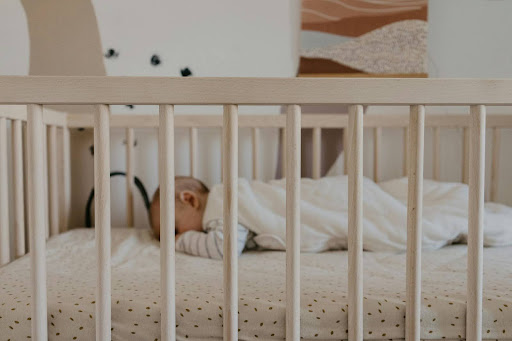
Your baby’s crib is their sanctuary, so choosing one that meets all safety standards and has evenly spaced slats on a sturdy frame is very important to creating an optimal sleep environment. Pair that with a firm mattress that is designed to protect their growing spines without risks like suffocation or discomfort. Soft or plush mattresses might seem tempting, but firmness is important for a safe sleeping environment. Soft fabrics like cotton or bamboo may provide added comfort during nap time while remaining safe for their sleep environments. When setting up their crib, make sure that it remains minimal while looking stylish.
Regulate the Room Temperature
Babies are especially sensitive to temperature variations in their environment. That is why maintaining an optimal sleeping setting is important. Most childcare experts suggest aiming for between 16-20 degrees Celsius as the best range for restful sleep. Adults sleep better when they are dressed in light layers suited for their environment’s temperature, while babies sleep best with light layers layered up depending on ambient conditions. A room thermometer can make setting this goal easy, while wearable blankets or sleep sacks offer additional safety without risky loose blankets being spread around in the bed every night. Consistency is important, so make sure that the same temperature is regulated throughout each night so your little ones can have restful sleep.
Using the Magic of Blackout Curtains
Darkness sends signals to our brains telling them it is time for sleep, and this includes babies too. Exposure to light can inhibit melatonin production, making it harder for babies to fall and remain asleep. Blackout curtains can help by blocking out the natural light during their daytime naps and the summer evenings. Dim lighting or nightlights may still provide soothing lighting without disrupting their sleep. For the best results, choose red- or amber colour sources, as these are less likely to interfere with melatonin production.
Create a White Noise Oasis
Unfamiliar or sudden noises can easily disturb a baby’s sleep in urban or active household settings, especially at nighttime. A white noise machine or app can help soothe sudden sounds by emitting a soothing melody or a consistent hum. These devices mimic womb-like conditions to provide security to babies. Look for one with adjustable volume levels so as to not exceed safe decibel levels for their delicate ears. Placing it a reasonable distance from their crib will ensure an uninterrupted night of dreams.
Have a Clutter-Free Zone
A clutter-free zone plays an understated role in instilling peace in children’s surroundings. Nurseries overloaded with decor, toys, or unneeded furniture can feel busy and overstimulating. To simplify things, make only the important things within your baby’s sleep area, like a crib, dresser, and chair for bedtime routines, present. Tidiness not only looks better but also reduces distractions, which is especially important when creating an inviting atmosphere for younger babies just starting to focus on their surroundings. Less is truly more when creating an ideal atmosphere.
Stick to a Gentle Bedtime Routine
While not directly linked to their physical environment, setting up a consistent bedtime routine is a powerful way of encouraging better rest for babies. Include relaxing activities such as bath time, reading a calming story, or gentle rocking before placing the baby in the crib. These routines signal when it’s time for rest. Pair it with a nice sleep setup so it remains consistent night after night, giving babies time to learn that associating these rituals with calmness and comfort leads to improved rest patterns.
Maintain Clean Air Quality
The quality of air plays an important part in how well babies sleep. Purify the room’s atmosphere by eliminating allergens such as dust and pet dander and pollutants such as pollen. Using a HEPA air purifier regularly in your nursery and using humidifiers in colder months when heaters are used often can greatly enhance the air quality. Make sure your humidifier is regularly cleaned to prevent mould or bacteria growth when it is used. Fresh, clean air creates an ideal, breathing-friendly environment while eliminating potential irritations that might disrupt your baby’s sleep.
Protect Against Sleep Disruptors
Newborns are particularly prone to disruptions like teething pains, reflux symptoms, and night chills that interfere with their sleep. Although some factors cannot be controlled directly, taking preventive steps such as using organic fabrics with reduced skin irritation or monitoring for allergies in the nursery may help minimize their discomfort. Also, managing their stimulation near bedtime by limiting loud activities or screen exposure in the hour leading up to bedtime helps babies relax more for better rest.
Don’t Underestimate Safety
Safety should always be your number one concern when creating a sleep environment for your baby. Always place them to sleep on their back, as this helps reduce the risk of sudden infant death syndrome (SIDS). Also make sure that all the sleep products meet safety regulations and do not contain dangerous VOCs (volatile organic compounds). Remove objects, soft toys, or loose blankets from their crib to reduce potential suffocation hazards, and conduct regular safety checks as your baby gets bigger and begins moving more actively during their sleep.
Conclusion
Creating the perfect sleep environment for your baby involves being thoughtful and being practical. From choosing the right type of crib, getting the light right for melatonin production, and making sure the temperature isn’t too hot to keeping the noise levels in their room down. Each decision contributes to creating a peaceful, secure setting that promotes restful sleep for your baby and the parents too. Creating this dreamlike setting is indeed worthwhile.
How the Right Nanny Shapes Your Baby or Toddler’s Development


