
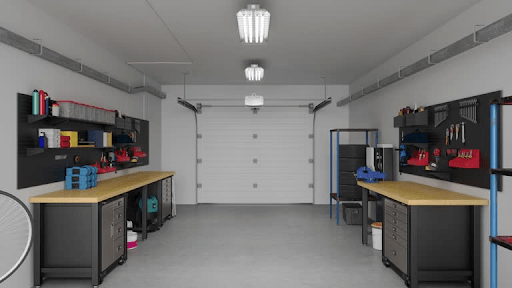
Garages often become the household dumping ground—boxes stacked in corners, tools scattered across benches, and bikes leaning wherever they’ll fit. With a simple, step-by-step plan, that chaos can become a tidy and safe workspace. This guide shows you how to assess what you have, declutter the excess, create smart zones, and choose storage that fits your budget and space. Whether you’re setting up a small workshop or a practical garage storage shed, you’ll get clear actions to make everything easy to find and easy to put away.
Why Garage Storage Matters
An organised garage isn’t just about looks—it’s about safety and being practical. Piles of gear on the floor can trip you up, while loose tools or chemicals pose real hazards.
Having proper storage means you can find what you need when you need it, whether that’s a hammer, a bike pump, or garden shears. It also protects your belongings: bikes are less likely to get scratched, and power tools last longer when stored off the ground.
Think about how often you’ve wasted time searching for a missing screwdriver or had to squeeze past bikes.
A garage that’s well-planned and organised saves time, money, and frustration while giving you peace of mind.
Step 1: Assess Your Current Garage
Begin by walking through your garage and taking stock of everything inside. Write down categories such as tools, sports gear, garden equipment, and seasonal decorations so you have a clear picture of what you own. Look for problem areas like piles stacked on the floor, items without a permanent home, or damaged goods. Identifying these issues early makes it easier to create a plan that works.
A simple pro tip: take “before” photos. They’re motivating when you want to track your progress, and they’ll help you see just how far you’ve come. Think of this step as drawing the map—you can’t plan the journey until you know where you’re starting from.
Step 2: Categorise and Declutter
Once you’ve assessed, it’s time to sort. Use the four-pile method: Keep, Donate, Sell, or Bin.
Be honest with yourself—if you haven’t touched something in years, chances are you don’t need it. Group similar items together: tools in one spot, sports gear in another, garden equipment in a separate pile, and seasonal items clearly marked. This helps you see duplicates, gaps, and what actually belongs in your garage.
Decluttering can be emotional, as people often hold on to items out of habit or guilt. Focus on the value of gaining space and creating a more functional garage.
Step 3: Create Storage Zones
Now that you’ve cleared the clutter, it’s time to build structure.
Divide your garage into zones:
- A tools and DIY zone
- A sports and recreation zone
- A gardening and outdoor zone, and
- A seasonal or holiday storage zone
This way, everything has a logical home. Keeping similar items together reduces wasted time and space.
Install shelving, hang bikes on the wall, or use ceiling racks for bulky gear. Even a small garage can feel spacious with clever use of walls and overhead storage.
Picture it like a supermarket: you know where to go for each item because it’s grouped with similar things. A garage organised into zones works the same way.
Step 4: Choose Storage Solutions
With zones in place, pick storage solutions that suit your space and budget. Wall-mounted racks, pegboards, and hooks are perfect for tools and sports gear. Shelving units or cabinets help keep heavier equipment off the floor, while overhead ceiling racks are excellent for bulky, seasonal items you don’t use daily.
For smaller gear, use clear bins with labels so you can easily see what’s inside without having to rummage around. Clear tubs can work too, but should always be labelled.
The key is consistency: label everything and stick to the system. Once your storage is set up properly, your garage becomes functional and easy to maintain.
Step 5: Maintain Your System
Keeping your garage organised isn’t a one-time task—it’s an ongoing habit. Once you’ve set up your system, the real secret to staying clutter-free is regular maintenance. A simple monthly “reset” makes all the difference. This could be as easy as walking through the space, returning items to their proper zones, and checking that everything is where it should be.
By doing this consistently, you’ll stop mess from creeping back in and avoid the overwhelming feeling that comes with starting over.
The key is to view maintenance as part of your normal routine, not a big project. Just a few minutes here and there is all it takes to protect your efforts and save hours of frustration later.
Turning a messy garage into an organised space comes down to five steps: assess, declutter, zone, store, and maintain. The benefits are worth it—better safety, easier access, and peace of mind every time you walk in. Start small, even with just one corner, and build from there. Progress creates momentum. Your garage doesn’t need to be a dumping ground—it can become one of the most useful, stress-free spaces in your home.

Top Tips for Mums Looking to Improve the Organisation of Their Homes


