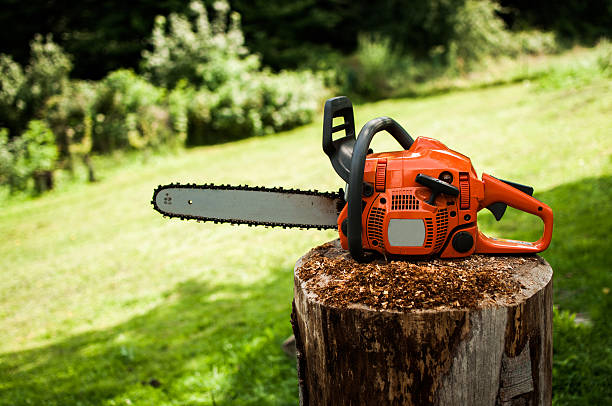
Petrol chainsaws come in different sizes, and the right one depends on the type of firewood a person plans to cut. A chainsaw that is too small will struggle with thick logs, while one that is too large can be hard to control and tiring to use. For most home firewood tasks, a bar length between 14 and 20 inches works best, with engine power matched to the wood size and density.
The key factors include bar length, engine power, and the thickness of the logs a person needs to cut. Homeowners who cut smaller branches and medium logs need different equipment than those who handle large tree trunks regularly. The right balance between power and weight makes the job easier and safer.
This guide covers how to match bar length to wood diameter, what engine size suits different tasks, and which features matter most for firewood preparation. It also looks at practical examples that help people choose equipment suited to their specific needs.
14-16-inch bar length suits most firewood cutting tasks efficiently and is easy to handle
A 14 to 16-inch bar length provides the right balance of power and control for most firewood projects. This size handles logs up to 14 inches in diameter without difficulty. It also remains light enough to use for extended periods without excess fatigue, which is a big advantage during longer cutting sessions. You can look at a heavier saw if you regularly deal with dense hardwood, thicker logs, or larger volumes of firewood, where extra cutting strength can make the work easier. In that case, a heavy-duty petrol chainsaw at Jono & Johno or at Stihl may be worth the investment, as such machines are built to handle demanding workloads with greater efficiency and durability. Models in the 18 to 20-inch bar range provide the additional reach and torque needed to work through thick hardwoods like oak or elm without bogging down mid-cut. While the added weight does require more physical effort to manage, the trade-off is a faster, cleaner cut through dense material that a smaller saw would struggle with. For occasional home use, however, the mid-range bar length remains the more practical and versatile choice, striking a balance between capability and ease of handling that suits the majority of firewood cutting tasks throughout the season.
An 18-20 inch bar is ideal for larger logs, offering more power for thicker wood
A chainsaw with an 18-20 inch bar delivers the cutting capacity needed for larger firewood logs. This size range works well for logs between 12 and 24 inches in diameter. The longer bar allows users to cut through thick wood in a single pass instead of multiple cuts.
Petrol chainsaws in this category typically feature more powerful engines to match the increased bar length. The extra power helps the chain maintain speed through dense hardwood. This combination of length and power makes the job faster and reduces physical strain on the operator.
For those who regularly process large timber or handle hardwood species, an 18-20 inch bar proves more efficient than smaller options. The bar should measure at least 2 inches longer than the diameter of the wood being cut. This extra length prevents the chainsaw from binding in the cut and allows for safer operation.
These larger chainsaws do weigh more than compact models. However, the trade-off in weight brings significant gains in productivity for heavy-duty firewood tasks.
Choose a chainsaw with engine power balanced to handle wood density without being too heavy
Engine power between 30-50 CCs works well for most firewood tasks. This range provides enough force to cut through common logs without extra weight that causes fatigue.
The type of wood matters. Hardwoods like oak and maple need more power than softer varieties such as pine and aspen. However, softwoods cut easily and require less engine strength.
A chainsaw that feels too heavy becomes hard to control after extended use. The motor size affects the total weight more than any other factor. A unit with 40 CCs delivers solid performance for average firewood jobs while remaining light enough to handle comfortably.
Avoid the temptation to purchase an overpowered model. Extra power adds unnecessary weight and makes the saw harder to maneuver. The right balance means the chainsaw has adequate strength for the wood density without strain on the user’s arms and back.
Ensure the Bar Length Is at Least 2 inches. Longer Than the Diameter of the Wood to Cut
The bar length needs to be about 2 inches longer than the wood diameter. This rule helps achieve a clean, safe cut in a single pass. For example, if someone cuts a log that measures 16 inches across, they should use a chainsaw with an 18-inch bar at a minimum.
This extra length serves an important purpose. It provides enough reach to complete the cut without strain. The additional clearance also keeps the tip of the bar away from dangerous kickback zones.
Most people who cut firewood regularly work with logs between 12 and 20 inches thick. Therefore, a chainsaw with an 18 to 20-inch bar suits most firewood tasks well. This size handles typical firewood logs and gives enough room for occasional larger pieces.
The guide bar extends from the tip to where it enters the saw body. A person should measure the wood they plan to cut before they choose their chainsaw size.
Models like STIHL MS 170 provide reliability and are great for home firewood cutting
The STIHL MS 170 serves as an excellent entry-level petrol chainsaw for homeowners who need to cut firewood. This compact saw handles light to medium tasks with ease and provides enough power for regular wood-cutting jobs around the property.
The MS 170 features an anti-vibration system that reduces user fatigue during longer work sessions. This design element makes the saw more comfortable to control, which matters when someone spends several hours preparing firewood. The smaller size and lighter weight also help users maintain better control compared to larger professional models.
For occasional firewood preparation and general property maintenance, this model delivers consistent performance without the higher cost of professional-grade equipment. The saw works well for cutting logs up to medium thickness and handles basic tree trimming tasks. Homeowners who need a dependable tool for seasonal firewood cutting will find this model meets their needs without unnecessary features or expense.
Conclusion
A petrol chainsaw with a 40cc to 50cc engine and a 14 to 18-inch bar serves most home firewood needs effectively. This size range provides enough power to cut through hardwood logs without excess weight or fuel consumption. Homeowners should match the bar length to their typical log diameter, as a bar needs to be at least 2 inches longer than the wood they plan to cut. Consider personal strength, experience level, and the frequency of use before you make a final decision. The right chainsaw makes firewood preparation safer and more efficient for years to come.
Unlocking Efficiency: How Timesheet Software Transforms Time Tracking and Productivity