
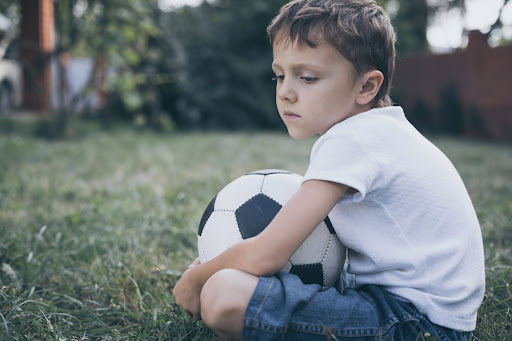
One week, your child cannot wait to get to training. They talk about their team, practise in the backyard, and count down to game day.
Then something changes.
“I don’t want to go anymore.”
For a parent, this can be confusing. You may wonder if they are simply having a bad week. Perhaps there has been a problem with a coach or teammate. Or maybe they have decided they do not like the sport after all.
Sometimes the reason is simple. But a sudden loss of interest can also be a sign that something about the experience has changed for your child.
Before trying to convince them to stay or letting them quit straight away, it can help to understand what is going on underneath.
Start With Curiosity, Not a Solution
It is natural to want to fix the problem.
If your child says they want to quit, your first response might be, “But you love soccer!” or “You can’t give up halfway through the season.”
Neither response leaves much room for your child to explain how they feel.
Try starting with a simple question instead.
“What’s making you feel like you don’t want to play anymore?”
They may not have an answer straight away. Children and teenagers do not always know how to explain why something suddenly feels difficult.
Give them time. You may learn more during a quiet conversation later than you will in the car five minutes before training.
Sport May Have Stopped Feeling Fun
Young athletes can enjoy working hard. They can also enjoy competing, improving and trying to win.
But there is a difference between a challenge that feels exciting and one that starts to feel heavy.
A child who once loved playing may begin to feel that every game is a test. They might worry about making mistakes, disappointing other people or not being as good as their teammates.
Watch for changes such as:
- finding reasons to avoid training
- becoming very upset after mistakes
- worrying about games well before they happen
- comparing themselves with teammates
- saying they are “bad” at the sport
- losing confidence after a poor performance
- no longer talking about the parts of sport they once enjoyed
One sign on its own does not tell you what is happening. Look for patterns and changes from your child’s usual behaviour.
There Could Be Something Else Happening
Not every child who wants to quit is struggling with pressure.
There may be a practical reason.
Perhaps training now clashes with schoolwork. They may be tired from a busy week. Their friendship group may have changed. They might not feel comfortable with a teammate or coach. Older children may simply discover other interests.
Physical factors matter too. A child who is sore, exhausted or worried about an injury may start avoiding their sport without clearly saying why.
This is why listening matters more than guessing.
Instead of assuming your child lacks commitment, try to work out what has changed. Ask what they still enjoy, what they do not enjoy and whether there is anything about training or competition that they wish was different.

Pressure Does Not Always Look Like Pressure
Parents generally want their children to feel supported.
Yet children can sometimes experience pressure even when nobody intends to create it.
A parent might ask detailed questions after every game because they are interested. A coach may offer constant corrections because they want the athlete to improve. A child may hear adults talking about selections, results or future opportunities and decide that performing well is very important.
Pressure can also come from within.
Some young athletes set very high standards for themselves. A mistake that seems small to everyone else can feel enormous to them.
If your child appears worried about letting people down, it can be useful to look at the wider experience around their sport. Learning more about the psychological environment surrounding young athletes can help parents understand how everyday interactions may affect confidence, enjoyment and motivation.
Ask What They Want to Change
Quitting is not always the only option.
Once you understand what is bothering your child, you can explore whether something smaller could change first.
Perhaps they need a short break. Maybe they want to play at a less competitive level. They may enjoy the sport but dislike their current team environment. Or they might need help managing nerves before competition.
Ask questions such as:
- “What part of your sport do you still enjoy?”
- “When did it start feeling different?”
- “Is there anything you wish could change?”
- “How do you feel before training?”
- “How do you feel after a game?”
- “Would you still want to play if this problem changed?”
The aim is not to lead them towards the answer you want. It is to understand their experience.
Know When They May Need More Support
Some worries settle once a child feels heard and a practical problem is addressed.
Other difficulties can linger.
Pay closer attention if sport-related worry begins affecting other parts of your child’s life. For example, they may have ongoing trouble sleeping before competitions, become very distressed about mistakes or regularly feel sick or anxious before training.
A sports psychologist can help young athletes understand thoughts and emotions linked to sport and develop practical ways to manage challenges such as nerves, confidence and performance pressure.
Support does not have to be reserved for elite athletes or serious problems. Sometimes a young person simply needs a safe place to make sense of what they are feeling.
The Goal Is to Understand What Changed
Wanting to quit does not automatically mean your child should stop. It also does not mean they should be forced to continue.
Treat the change as useful information.
Something may have shifted in their sport, their life or the way they feel about themselves as an athlete.
A calm conversation can help uncover what is really going on. From there, you can decide together whether they need a change, a break, extra support or simply the freedom to choose a different path.
Whatever happens next, feeling heard can help your child remember that their value is much bigger than any game, result or sporting achievement.
Anxiety in Childhood and Adolescence: How You Can Help As A Parent


