The ability to communicate, share ideas, express emotions, and connect with others gives children the confidence they need to make a better fist of starting school. That is why language development is one of the most important parts of their early years.
Many parents do not realise that these skills start forming long before school begins. But that is precisely why sending your child to an early education facility is so important.
When children learn in environments filled with conversation, books, play, and positive interactions, they develop a stronger understanding of language. This often manifests as a good grasp of speech, vocabulary, and communication, which serves them very well as they start their school years.
Why early education is so beneficial for a child’s language development
During their early pre-school years, children grow rapidly. In particular, they absorb words, sounds, and ideas throughout their day. Enrolling them in a supportive early learning environment is a great way to give them the structure and daily exposure they need to confidently use language to communicate.
Many families choose centres like Guardian’s childcare centre in Hornsby because of the programs they offer to support a child’s language development. They include:
- Conversation-rich routines
- Play-based learning
- Interactions that encourage children to explore new vocabulary
Educators at early childhood centres guide little ones gently. They also provide clear speech models, introduce concepts such as descriptive language, and help develop their early literacy. The experiences children get at these institutions help to shape their communication skills as they grow.
 How children develop language in their early years
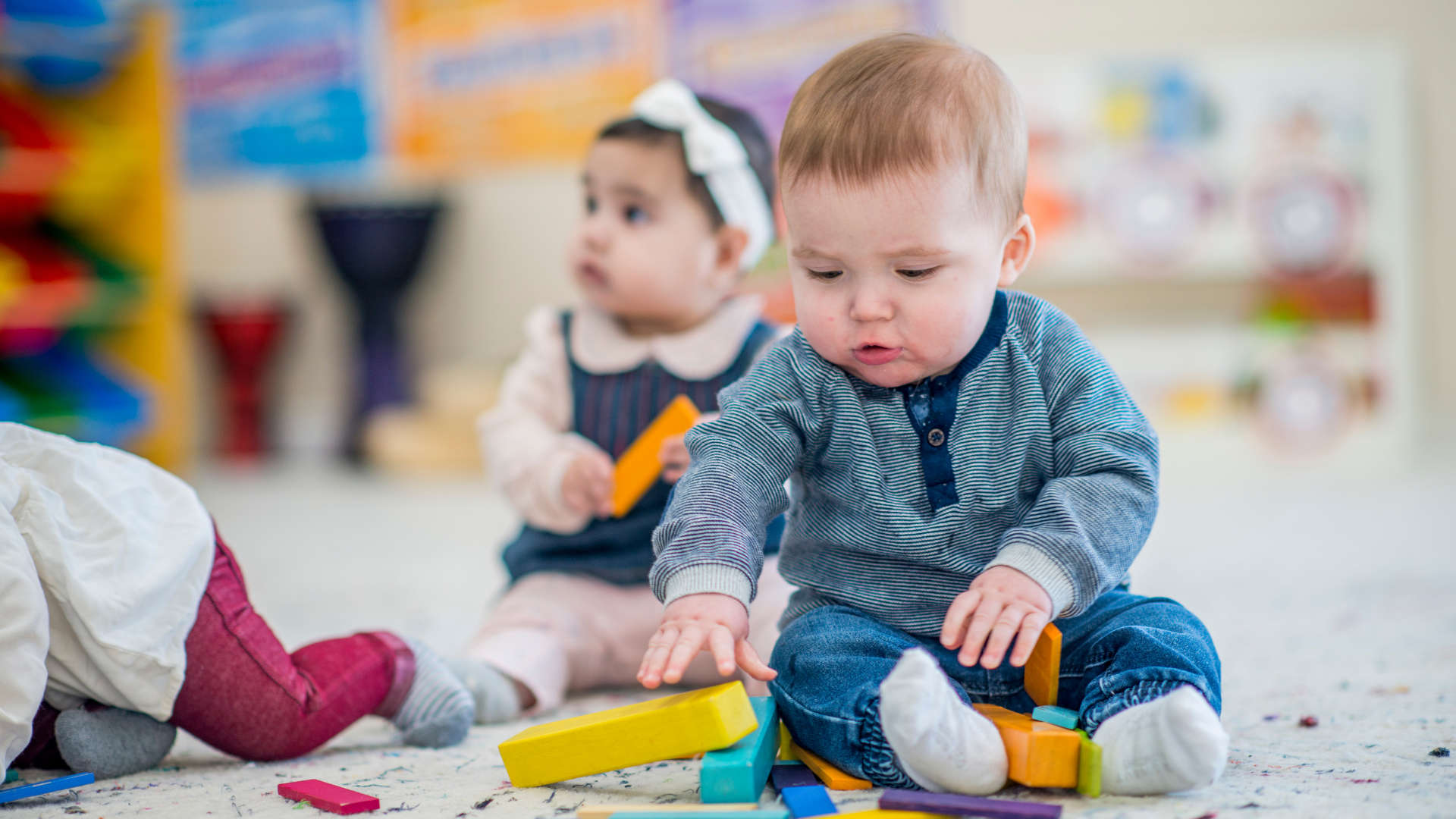
Language learning begins the moment a child is born. Babies listen to the voices around them, and when they become toddlers, they start experimenting with sounds and first words. By the time they are preschoolers, they begin forming longer sentences and stories.
These milestones show how quickly the brain forms connections in a child’s early years. Moreover, the activities children experience each day help strengthen these pathways. Singing, reading picture books, pretend play, and simple conversations during meal times all contribute to their speech development.
If a child attends an early education environment, these natural learning processes tend to become amplified. That is because they are in a setting where children can express themselves freely, practise new words, and learn through gentle repetition and encouragement.
What early education centres do to support language growth
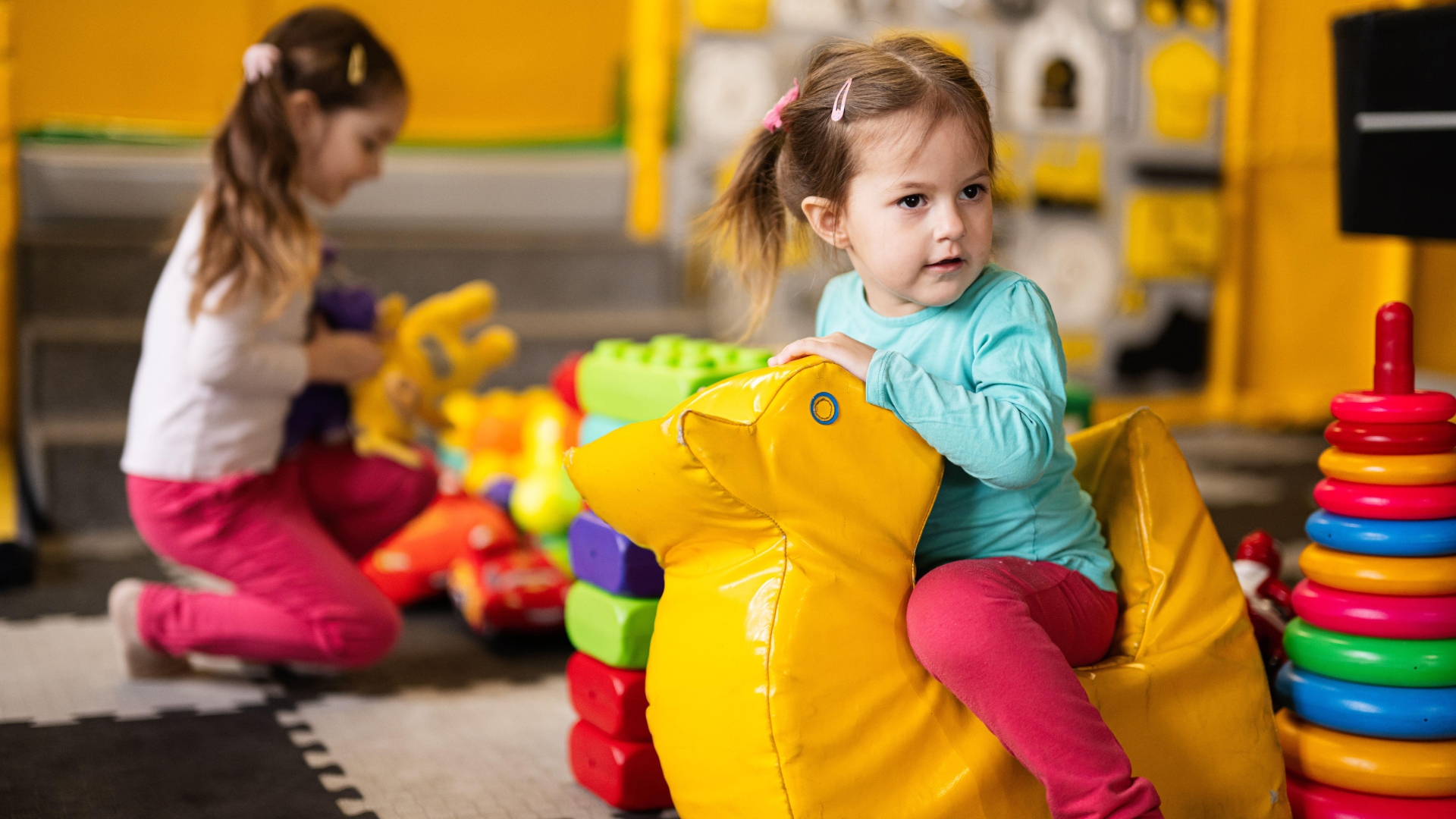
Early childhood educators play a key role in building a child’s language skills. Some of the main ways they do this are through play-based learning opportunities that spark conversation, encouraging questions, and helping them to build their vocabulary. Storytime, for instance, introduces children to new words and ideas while helping them understand how stories flow. Likewise, pretend play gives children space to experiment with language, whether they are running a café, caring for dolls, or enjoying a construction corner.
One of the most beneficial things early educators do is model clear language on a daily basis. This involves describing actions as they happen, asking open-ended questions, and inspiring children to share their thoughts. Such guidance helps children develop their communication skills more rapidly.
Social interaction with peers is integral to language development because children learn to listen to each other. They also negotiate roles during play, and practise turn-taking, which strengthens both their communication abilities and social understanding.
Signs your child is developing language well
Children grow and develop at different speeds. However, if you want to know how well your child’s language is improving, there are some helpful signs to look out for.
- Babies often babble, respond to voices, and show interest in sounds.
- Toddlers begin naming objects, forming simple sentences, and imitating words they hear.
- Preschool-aged children usually engage in short conversations, ask plenty of questions, and enjoy storytelling.
If you notice your child is struggling to form words, has a smaller vocabulary than peers, or becomes frustrated when communicating, it may be worth seeking guidance from a speech pathologist. The earlier you can get your little one support, the more quickly they will improve their communication abilities through expert assistance and specialist tools.
How parents can support language development at home
Of course, parents play a very important role in their child’s language development. That is because everyday homelife presents countless opportunities for them to learn.
This is particularly true when families take time to talk, listen, and share their daily experiences. Additionally, reading picture books, singing nursery rhymes, and describing everyday activities, no matter how mundane, can all help children to understand new words. For this reason, always try to instigate conversations during car rides, bath time, or mealtimes. If you do this, you will help them expand their vocabulary in a more relaxed, natural way.
It is also a good idea to have plenty of books in your house so that you can read to them and they can read to you. Doing this will provide them with several benefits. Even small “games” or activities, such as naming colours, counting objects, or describing the weather, help children learn in a simple and enjoyable way.
Choosing the right early education centre for your child
If you want to send your child to an early learning environment, it is vital to find one that supports their language development.
Parents are often most attracted to centres that look interesting, have inviting play and learning spaces for children, and employ warm and friendly educators. It is also a good selling point if they have a strong focus on storytelling, literacy play, group activities, and open-ended exploration.
Before settling on one, ask the staff about their approach to language support. This should give you a lot of confidence that their child will learn in a nurturing and developmentally informed environment, if it aligns with your views. If you are worried about the way your child will respond to pre-school drop offs, you might also want to find out how the centre will manage that.