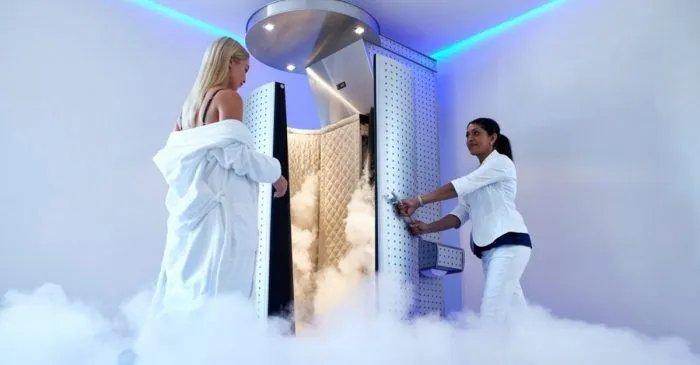
What Is Cryotherapy
Cryotherapy refers to treatments that use freezing or near-freezing temperatures to stimulate a physiological response. You expose your skin or tissues to cold air, liquid nitrogen vapour, ice, or chilled water for a set time.
The cold triggers vasoconstriction, which narrows your blood vessels and reduces blood flow to the treated area. When your body rewarms, circulation increases and may help remove metabolic waste linked to muscle soreness.
You will often see cryotherapy used to:
- Reduce inflammation and swelling
- Ease joint and muscle pain
- Support post-exercise recovery
- Treat certain skin lesions
Whole-body cryotherapy sessions typically last 2–3 minutes at temperatures between –110°C and –140°C. Localised treatments vary in temperature and duration depending on the condition being treated.
Cryotherapy mainly manages symptoms such as pain and inflammation. It does not cure underlying disease, but it may support broader treatment plans.
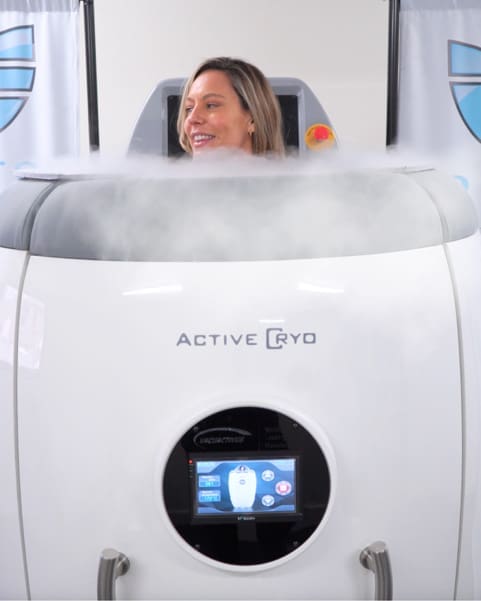
Key Health Benefits of Cryotherapy
Cryotherapy exposes your body to very cold temperatures for short periods to trigger specific physiological responses. You can use it to manage pain, control inflammation, support immune activity, and improve certain aspects of skin health.
Pain Reduction and Muscle Recovery
You can use cryotherapy to reduce pain by slowing nerve conduction and temporarily numbing treated areas. This effect decreases how strongly your nerves send pain signals to your brain.
Athletes often choose whole-body or localised cryotherapy after intense training. The cold causes blood vessels to constrict, then dilate once you warm up, which may help flush metabolic waste products from muscle tissue.
You may notice reduced muscle soreness within 24 to 48 hours after treatment. Some evidence suggests cryotherapy can lower perceived delayed onset muscle soreness (DOMS), though results vary between individuals.
Cryotherapy does not repair injured tissue directly. It manages symptoms, allowing you to return to normal movement sooner while you continue appropriate rehabilitation or strength training.
Decreasing Inflammation
Cold exposure reduces local blood flow through vasoconstriction. This response can limit swelling and fluid accumulation in injured or irritated tissue.
You may benefit if you have inflammatory conditions such as tendon irritation or mild joint inflammation. By lowering tissue temperature, cryotherapy can reduce the activity of certain inflammatory mediators for a short time.
Whole-body cryotherapy may also influence systemic inflammatory markers. Some small studies show reductions in markers like C-reactive protein after repeated sessions, particularly in athletic populations.
Keep in mind that inflammation plays a role in natural healing. You should use cryotherapy strategically, especially after exercise, rather than suppressing inflammation continuously.
Common inflammatory issues people target include:
- Post-exercise muscle inflammation
- Mild joint swelling
- Overuse injuries
Boosting Immune Function
Short-term cold exposure can stimulate parts of your immune system. Research suggests cryotherapy may increase circulating white blood cells and certain anti-inflammatory cytokines after repeated sessions.
You may also experience improved sleep and reduced stress when you manage pain and inflammation effectively. Better sleep and lower stress levels support normal immune function.
Some proponents claim strong immune enhancement, but evidence remains limited. Current research shows modest, short-term changes rather than permanent immune system upgrades.
If you have autoimmune disease or a chronic health condition, you should consult a qualified health professional before starting treatment. Cryotherapy affects systemic responses, and your individual health status matters.
Improving Skin Health
Cold exposure tightens blood vessels and may temporarily reduce redness and puffiness. You may notice a firmer appearance in your skin immediately after treatment.
Cryotherapy can also stimulate collagen production through controlled cold stress. Increased collagen supports skin elasticity and may improve the look of fine lines over time.
Localised cryotherapy treats specific skin lesions, such as warts or actinic keratoses, by freezing and destroying abnormal tissue. In clinical settings, practitioners use precise temperatures and application times to avoid damage to surrounding skin.
For cosmetic purposes, results tend to be subtle and gradual. You should view cryotherapy as one part of a broader skin care and sun protection strategy, not a replacement for medically proven treatments.
Cryotherapy for Wellness and Performance
Cold exposure can influence metabolism, recovery, and mental state when you use it with clear goals and safe protocols. Short, controlled sessions may support fat loss efforts, improve physical performance, and help you manage stress more effectively.
Supporting Weight Loss
You may see cryotherapy promoted as a fat‑burning solution, but it works best as a support to nutrition and exercise, not a replacement.
Whole-body cryotherapy typically exposes you to temperatures between -110°C and -150°C for 2–4 minutes. This extreme cold forces your body to work harder to maintain core temperature. In response, it increases energy expenditure and activates brown adipose tissue, which burns calories to produce heat.
Some research suggests repeated cold exposure may:
- Slightly increase resting metabolic rate
- Improve insulin sensitivity
- Reduce inflammation linked to excess body fat
You should treat these effects as modest. Fat loss still depends on a sustained calorie deficit, strength training, and adequate protein intake.
You may also benefit indirectly. If cryotherapy reduces muscle soreness, you can train more consistently, which supports long-term weight management.
Enhancing Athletic Performance
Athletes often use cryotherapy to speed recovery between intense training sessions or competitions.
Cold exposure causes blood vessels to constrict during treatment and then dilate afterwards. This process may help reduce post-exercise inflammation and perceived muscle soreness. A 2025 meta-analysis of randomised controlled trials reported that whole-body cryotherapy can reduce inflammatory markers without negatively affecting cardiac or immune health in healthy adults.
You may notice benefits such as:
- Reduced delayed onset muscle soreness (DOMS)
- Faster return to training
- Improved perception of recovery
Some evidence also links cryotherapy to improved exercise capacity, possibly due to better recovery and reduced fatigue.
Use it strategically. Schedule sessions after high-intensity training blocks rather than before strength sessions, as excessive cold exposure immediately before lifting may temporarily reduce muscle power.
Stress Relief and Mental Clarity
Cold exposure triggers a rapid release of norepinephrine and endorphins. These neurochemicals can elevate alertness and improve mood in the short term.
Many people report feeling clearer and more focused after a brief session. This effect likely relates to increased sympathetic nervous system activity followed by a rebound shift towards parasympathetic balance.
Early studies suggest cryotherapy may:
- Support mood regulation
- Reduce perceived stress
- Improve sleep quality in some individuals
You should approach these benefits as supportive rather than therapeutic. Cryotherapy does not replace psychological treatment, but it can complement other stress-management strategies such as exercise, sleep hygiene, and structured recovery routines.
Considerations and Safety
Cryotherapy exposes your body to extreme cold, which creates short‑term physiological stress. While many people tolerate it well, you need to understand the specific risks and who should avoid treatment.
Possible Side Effects
You can expect temporary skin reactions such as redness, numbness, tingling, or mild irritation after local or whole‑body cryotherapy. These effects usually settle within minutes to hours.
More intense cold exposure may cause frostbite, skin burns, or nerve irritation if equipment malfunctions or sessions last too long. Improper supervision increases this risk. Whole‑body cryotherapy can also trigger short‑term rises in blood pressure and heart rate as your body responds to sudden cold.
Some people report headaches, dizziness, or light‑headedness immediately after a session. Breathing discomfort may occur in very cold chambers, particularly if you already have respiratory issues.
You reduce risk by limiting sessions to recommended timeframes, wearing protective gloves and socks, and using qualified providers who monitor temperature and exposure closely.
Who Should Avoid Cryotherapy
You should not use cryotherapy if you have uncontrolled high blood pressure, heart disease, or a history of stroke. Sudden cold exposure can constrict blood vessels and temporarily increase cardiovascular strain.
Avoid cryotherapy if you have Raynaud’s disease, cold urticaria, cryoglobulinaemia, or severe peripheral vascular disease. These conditions impair blood flow or trigger harmful reactions to cold.
If you have advanced diabetes with neuropathy, you may not feel skin damage developing. That raises the risk of frostbite or burns.
Pregnant women, people with unmanaged respiratory disorders, and anyone with implanted medical devices should seek medical advice before booking a session. If you feel unwell during treatment, stop immediately and inform the provider.