Owning property is one of the most significant investments most Australians will ever make. Whether it’s your family home or a commercial premises, protecting and improving that investment makes financial sense.
But property improvements involve decisions that can feel overwhelming. Which upgrades actually add value? How do you balance aesthetics with functionality? And how do you fund improvements without straining your finances?
I’ve seen property owners make both brilliant and costly mistakes when it comes to upgrades. The difference usually comes down to planning and prioritisation.
Starting with What Matters Most
Not all property improvements are created equal. Some deliver immediate practical benefits while others are primarily cosmetic. The smartest approach typically addresses safety and security first.
This isn’t just about protecting people, though that’s obviously crucial. Properties with proper safety features also tend to maintain value better and cost less to insure over time.
Think about your property from a risk perspective. What vulnerabilities exist? What would happen if a vehicle lost control nearby? Are pedestrian areas properly protected?
Protecting Physical Boundaries
One often overlooked aspect of property protection involves securing the perimeter against vehicle intrusion. This matters for both commercial and residential properties, particularly those near roads or parking areas.
Shopfronts, outdoor dining areas, pedestrian walkways, and building entrances all face potential vehicle impact risks. The consequences of an uncontrolled vehicle entering these spaces can be catastrophic.
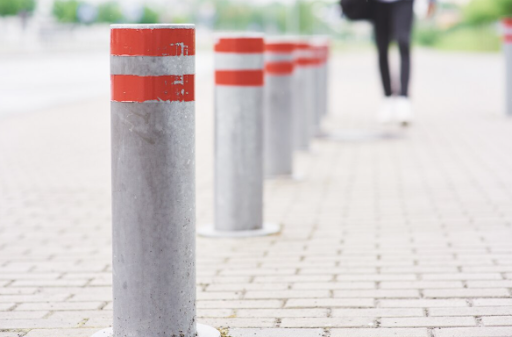
This is where properly engineered barriers become essential. Galvanized bollards provide robust protection against vehicle intrusion while withstanding the harsh Australian climate. The galvanization process creates corrosion resistance that ensures long-term durability without constant maintenance.
Beyond pure safety, well-designed bollards can enhance property aesthetics. Modern options come in various styles that complement rather than detract from your property’s appearance. The investment protects both people and your property’s visual appeal.
Other Security Considerations
Bollards address one category of risk, but comprehensive property protection involves multiple layers. Lighting, access control, surveillance systems, and landscaping all play roles in overall security.
Good lighting deters unwanted activity and helps legitimate visitors navigate safely. Modern LED systems provide excellent illumination while minimising energy costs.
Surveillance technology has become remarkably affordable. Even basic camera systems provide useful deterrence and documentation if incidents occur.
Consider how these elements work together. A well-lit property with visible security features and proper physical barriers presents a much harder target than one lacking these protections.
Maintenance and Durability Matter
When selecting any property improvement, think about ongoing maintenance requirements. Products that seem cheaper initially often cost more over their lifetime due to upkeep needs.
This applies to everything from building materials to safety equipment to landscaping choices. Durable, low-maintenance options typically deliver better value despite higher upfront costs.
Australian conditions are harsh on building materials. Sun, salt air in coastal areas, and temperature extremes all take their toll. Choosing products specifically engineered for these conditions pays dividends over time.
Funding Your Property Improvements
Of course, quality improvements require capital. This is where many property owners get stuck. They know what needs doing but aren’t sure how to fund it without depleting savings or taking on high-interest debt.
The good news is that property owners have financing options that others don’t. Your property itself can help fund improvements that increase its value and functionality.
A home equity loan allows you to borrow against the equity you’ve built in your property. This typically offers more favourable terms than unsecured borrowing because the loan is backed by your property asset.
These arrangements can fund substantial improvements that might otherwise be unaffordable. The key is ensuring that the improvements you’re funding genuinely add value or serve essential purposes like safety.
Making Smart Borrowing Decisions
Any borrowing decision deserves careful consideration. Just because you can access equity doesn’t mean you should use it for every possible improvement.
Prioritise improvements that address safety issues, prevent property damage, or add genuine long-term value. Cosmetic upgrades that won’t last or don’t suit your property’s market position might not justify borrowing costs.
Get clear quotes before committing to financing. Understand exactly what improvements will cost and compare that against the expected benefits. This discipline helps ensure your borrowing creates value rather than just debt.
The Compounding Effect of Good Decisions
Smart property improvements compound over time. Safety features prevent costly incidents. Quality materials reduce maintenance expenses. Proper security lowers insurance premiums.
Each good decision creates a slightly better position for the next decision. Properties maintained and improved thoughtfully become more valuable and more pleasant to occupy.
The reverse is also true. Deferred maintenance and poor-quality improvements create cascading problems. Small issues become major expenses. Property value erodes rather than grows.
Planning Your Improvement Strategy
Rather than tackling improvements haphazardly, develop a strategic plan. Assess your property comprehensively and prioritise based on urgency, impact, and available resources.
Safety issues should typically come first. After those are addressed, focus on improvements that protect property value and reduce ongoing costs. Aesthetic upgrades can follow once fundamentals are solid.
Consider timing as well. Some improvements make sense to do together because contractors are already on site. Others might wait for better weather or until financing arrangements are in place.
Working with Professionals
Property improvements often require professional input. Builders, safety consultants, financial advisors, and other specialists can help you make better decisions and avoid costly mistakes.
Don’t skimp on planning and consultation to save money. Poor decisions during this phase create problems that cost far more to fix than proper professional guidance would have cost.
Get multiple quotes for significant work. Check references and credentials. Ensure contractors are properly licensed and insured for the work they’ll perform.
The Long-Term Perspective
Property ownership rewards patient, strategic thinking. The improvements you make today will affect your property’s safety, functionality, and value for years or decades to come.
Resist the temptation to cut corners on quality or skip essential protections to save money short-term. These decisions almost always prove more expensive over time.
Your property represents both a home and an investment. Treating it with that dual perspective guides better decisions about protection, improvement, and financing.
Taking the First Step
If you’ve been putting off necessary property improvements, consider what’s holding you back. If it’s uncertainty about priorities, start with a professional assessment of safety and security needs.
If funding is the barrier, explore your financing options. Property owners have access to capital that can make essential improvements affordable and manageable.
Whatever improvements your property needs, approaching them strategically creates better outcomes than reactive, piecemeal decisions. Plan carefully, fund wisely, choose quality, and your property will serve you well for years to come.
Smart Upgrades For Family Homes In The Eastern Suburbs: When To Call In A Trade