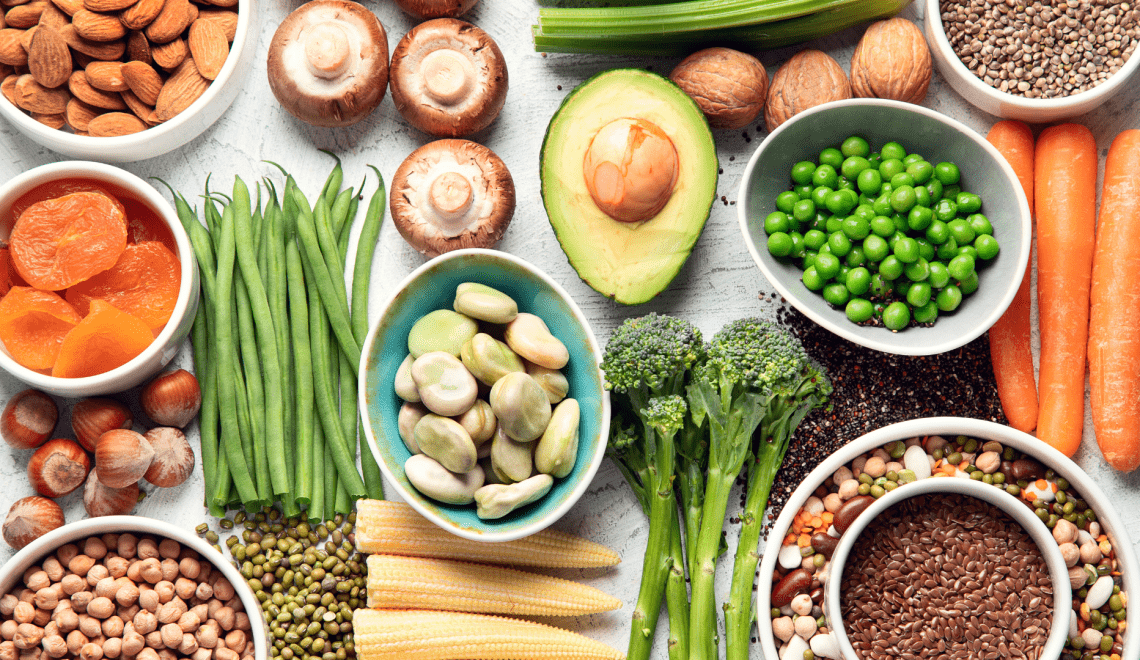
The clock hits five and the whole house shifts into dinner mode. School bags pile up near the door. Kids go straight for the fridge. Busy moms need meals that feel fresh but still fit the evening window.
A lot of food trends start in cafés and hotel kitchens. Speed and consistency decide what sticks on a menu over time. A quick look through a Hospitality industry magazine shows how fast those shifts happen. You can adapt many of these ideas for your family kitchen.
Restaurant-Style Prep That Saves Weeknights
Hospitality teams front-load most of their work before service begins. That early effort keeps things running smooth when orders pile up. You can take that same idea and scale it down at home. One or two prep sessions a week give you a real head start.
You’re not batch cooking five days of meals here. You’re just setting the bench so weeknights don’t feel so rushed.
Batch Your Vegetables Early in the Week
Pick one tray of vegetables that suit a range of different meals. Roast pumpkin, carrots, and zucchini until the edges go golden. Let everything cool, then pack it all into clear containers. You’ll see your dinner options right when you open the fridge.
Those roasted vegetables slide into bowls, wraps, and pasta dishes. They also go well alongside quick egg meals on hectic nights. One simple batch carries you through several dinners with minimal effort.
Prep One Go-To Sauce
A lemon yoghurt dip keeps well in a sealed jar for days. Tahini dressing and a basic tomato salsa hold up just as nicely. Store the jar at eye level so you grab it without thinking. That one sauce can turn plain food into a proper dinner fast.
If you like having a plan, this meal prep routine breaks things down simply. A short list on the fridge can map out two dinners easily. This flexible style lines up with how professional chefs run their kitchens.
Modular Meals That Restaurants Use Every Day
Restaurants build multiple dishes off one single cooked base each shift. It keeps the kitchen moving and cuts down on wasted ingredients. You can bring that thinking into your own home without much effort. Cook one protein and one grain, then switch up flavours each night.
You’re not aiming for a brand new recipe every single evening. You just want enough variety so the family stays interested at dinner.
Choose a Base Your Family Enjoys
Go with something your household already eats without complaints. Roast chicken, turkey mince, and firm tofu all work as strong options. Season your pick simply, then cool it down in shallow containers fast. Set one portion aside for tonight and split the rest for later.
Remix It Four Different Ways
Swap out your toppings, sides, and sauces to keep things interesting. Each plate feels like a different meal even with the same base.
- Wraps — Pull apart chicken with cucumber, lettuce, and some hummus. Toss in sliced fruit on the side for a bit of sweetness.
- Pasta — Stir mince through pasta with peas and a good tomato sauce. Grate cheese over the top and add some sliced capsicum for crunch.
- Rice bowl — Warm up rice and mix in tofu with fresh carrot ribbons. Add soy sauce, sesame seeds, and a good squeeze of lime.
- Tacos — Toss chicken with corn, diced tomatoes, and mild spices. Put out a small bowl of yoghurt to balance the warmth.
Leftovers fit naturally into this style of cooking throughout the week. Safe cooling and reheating become more important when you’re running on low energy. The NSW Food Authority guidance on leftovers keeps those rules simple. Cool your food within two hours and reheat it until it’s steaming.
Big Flavour Trends You Can Keep in One Cupboard
Chefs rely on sauces and spice pastes to build bold flavour quickly. You can stock a small cupboard kit at home that lasts for months. It helps your meals taste different even on the most basic cooking nights.
Build a Small Flavour Kit
Start with one jar your family will happily try at the dinner table. Work it into at least two meals during the same week. Miso blends nicely into butter and tastes great on corn. Red curry paste pairs well with a fast coconut milk soup. Tahini mixed with lemon and water becomes a quick all-purpose dressing.
Use a Finishing Touch Before Serving
Restaurant kitchens toss something fresh onto every plate right before it goes out. It only takes a few seconds but lifts the whole meal noticeably. Toasted sesame seeds, chopped herbs, or a hit of citrus all work. These quick additions help leftover dishes taste like something you planned ahead.
Give Cautious Eaters Their Own Options
Keep the main dish plain if your kids push back on strong flavours. Serve sauces on the side in two small bowls at the table. One mild and one stronger option lets everyone pick for themselves. Family-friendly cafés handle mixed taste preferences the same way every day.
Lunchbox Upgrades Inspired by Bento and Snack Boards
Lunchbox trends tend to follow café snack plates for a good reason. Kids enjoy variety and like seeing neat sections packed into one box. A bento-style layout lets you pack small and easy-to-eat pieces. Fussy eaters feel less pressure and tend to waste less food overall.
Use a Simple Building Block System
Start with a protein your kids enjoy eating cold during the school day. Boiled eggs, cheese cubes, and roast chicken all hold up really well. Add one fruit, one vegetable, and one wholegrain item to fill things out. Pack yoghurt or hummus in a separate small tub so crackers stay crisp.
If mornings feel too rushed for planning, these healthy lunchbox tips help a lot. Pick two proteins and three fruits at the start of the week. Rotate them so your shopping list stays short and easy to manage.
Aim for Balance Across the Full Day
Don’t worry about covering every food group inside one single lunchbox. Spread your nutrition goals across the whole day for a calmer approach. The Australian Guide to Healthy Eating gives you a helpful visual guide. Treat it as a weekly target instead of a strict daily checklist.
Low-Waste Habits That Fit Real Family Life
Low-waste cooking shows up in hospitality because ingredients cost real money. Commercial kitchens also deal with tight storage space every single day. These same habits save time and reduce stress in a home kitchen. You stop losing food behind milk bottles and forgotten sauce jars in the fridge.
Set Up a “Use First” Tub
Keep a dedicated container on the top shelf of your fridge at all times. Check what’s in there before you start planning dinner for the night. Pick one evening a week for a flexible meal built around leftovers. Fried rice, pasta bake, and toasties all welcome a mix of random ingredients.
Add wilted vegetables, leftover meat, or a handful of beans to the pan. Finish the dish with egg or cheese to boost the protein content. Serve it with something fresh like sliced cucumber or a piece of fruit.
Get More Out of Your Freezer
Freezer meals help you cut prep time and reduce waste during the week. Freeze cooked mince, soups, or burrito fillings in flat sealed bags. They stack well on shelves and thaw out much faster in that shape. Label every bag with the date so you always know what’s freshest.
Set aside one freezer shelf for weeknight saves and school lunch options. You don’t need to follow every new food trend that pops up online. Prep one solid base, remix it twice, and lean on your sauces. If dinner feels a bit calmer tonight, that’s a win you can repeat tomorrow.