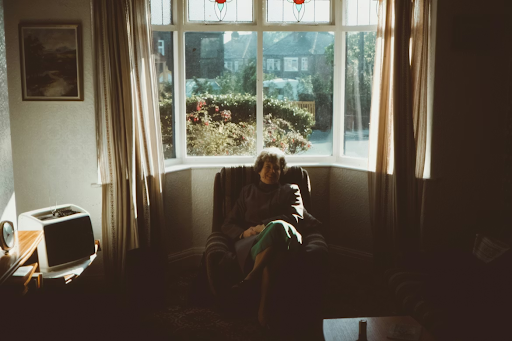
Last weekend, I watched my mum navigate our front steps and my heart skipped a beat. She gripped that handrail like her life depended on it – and honestly, it kind of did.
If you’ve got aging parents visiting regularly or moving in, you’ve probably had that same gut-punch moment. The house that’s perfectly fine for you suddenly feels like an obstacle course when you see it through their eyes.
Here’s the good news: you don’t need a massive renovation to make your home safer for elderly parents. Small, thoughtful modifications can dramatically reduce fall risks and give everyone peace of mind. Let’s walk through the essential changes every family should consider.
The Bathroom – Your Highest Priority
Let’s be real: bathrooms are danger zones for older adults. Slippery surfaces plus hard edges equal the most common place for serious falls.
Non-Slip Surfaces Are Non-Negotiable
Those cute bath mats? They’re actually a tripping hazard if they bunch up or slide around. Your elderly parent shuffling to the loo at 2am isn’t going to notice until it’s too late.
Invest in proper non-slip solutions. Adhesive strips in the shower, textured bath mats with rubber backing that actually grip the floor, or even anti-slip coating for the entire bathroom floor.
Grab Rails Aren’t Just for “Old People”
I used to think grab rails looked clinical and depressing. Then I realized they’re the difference between my dad being able to shower independently or needing help – and trust me, independence matters.
Install them near the toilet, inside the shower, and next to the bath if you have one. Make sure they’re professionally installed and can handle actual body weight, not those suction cup things that pop off when you need them most.
And here’s a tip: modern grab rails come in stylish finishes now. Brushed nickel or matte black options blend right in with your bathroom decor.
Lighting Can’t Be an Afterthought
Ever tried navigating an unfamiliar bathroom in the dark? Now imagine doing it with aging eyes and balance issues.
Motion-sensor night lights are absolute game-changers. Pop them in the hallway leading to the bathroom and inside the bathroom itself. No fumbling for switches, no harsh overhead lights at 3am.
Stairs and Doorways – Where Falls Happen
If your home has stairs, pay attention. This is where small oversights become big problems.
Handrails on Both Sides Matter
You might think one handrail is enough, but here’s why it’s not. If your parent has weakness on one side (hello, stroke recovery), or uses a walking stick, or just has general balance issues, they need options.
Both sides of the staircase should have sturdy, properly mounted handrails. Not the wobbly decorative kind – the kind that can genuinely support someone’s full weight.
Make Every Step Visible
Dark stairs with dark carpet? That’s a recipe for a missed step and a tumble. Older eyes struggle with depth perception, especially in low light.
Add contrasting tape or paint to the edge of each step. It sounds simple, but that visual distinction helps the brain process where one step ends and another begins.
Lighting is crucial here too. Install lights at both the top and bottom of staircases, and consider adding strip lighting along the steps if you’re feeling fancy.
For outdoor steps and ramps, consider tactile floor indicators that help with navigation and meet accessibility standards – especially important if your parent has vision impairment. These raised surfaces aren’t just about compliance; they genuinely help people feel changes in elevation underfoot, which can prevent nasty spills on wet days.
Trip Hazards Need to Go
I know you love that Persian rug in the hallway, but loose rugs are enemy number one for elderly falls. They catch on walkers, bunch under shuffling feet, and slide at the worst possible moments.
Either secure them properly with rug tape (the heavy-duty kind), or honestly, just remove them. Your parent’s safety is worth more than your decor.
Lighting Throughout the Home – Brighter Is Better
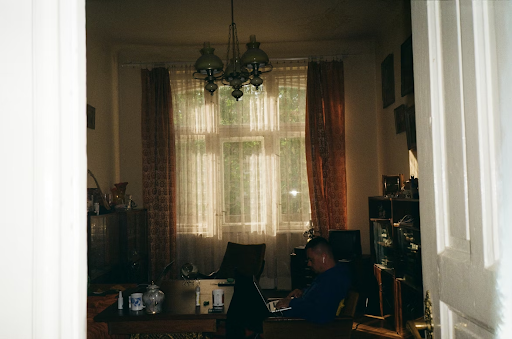
Here’s something most people don’t realize: aging eyes need about three times more light than younger eyes to see the same level of detail. That cozy dim lighting you love? It’s a hazard for your parents.
Brighten Up Every Room
Walk through your house and actually assess the lighting. Those 60-watt bulbs might need upgrading to 100-watt (or LED equivalents).
Dark corners, shadowy hallways, and that bit under the stairs where you keep shoes? All potential problem spots. Add lamps, upgrade fixtures, or install additional lights where needed.
Make Switches Accessible
Light switches at both ends of hallways are a must. Nobody should have to navigate a dark space to reach a light switch – that’s just asking for trouble.
Smart lights with voice control are brilliant if your parents are tech-comfortable. “Alexa, turn on the hallway light” beats fumbling in the dark any day. Even basic motion sensors in key areas can be absolute lifesavers.
Create a Safe Night-Time Path
Most falls happen at night during bathroom trips. Create a well-lit path from bedroom to bathroom using plug-in night lights along the way.
Glow-in-the-dark switch plates are cheap and surprisingly effective. Your parent can spot the bathroom light switch even with blurry, half-asleep eyes.
Kitchen Modifications That Actually Help
The kitchen is where independence lives. Small changes here can mean the difference between your mum making her own cup of tea or having to ask for help every time.
Reorganize for Accessibility
Move everyday items – mugs, plates, tea, coffee – to waist-height shelves. Nobody over 70 should be reaching overhead for their breakfast bowl or bending to floor-level cupboards for the kettle.
Lazy Susans in corner cabinets are genius for this age group. No more reaching into dark corners or forgetting what’s back there.
Simple Appliance Swaps
Replace that heavy stovetop kettle with a lightweight electric one. Easier to lift, safer to use, automatic shut-off when it boils.
Make sure the microwave is at a comfortable height – not above the stove where they’re reaching over heat, and not so low they’re bending down with hot food.
Keep Floors Clear and Dry
Anti-slip mats near the sink are essential, but make sure they dry quickly and don’t become slip hazards themselves. Keep floors completely clear of clutter, bags, and anything else that could catch a foot.
Bedroom and Living Areas – Comfort Meets Safety
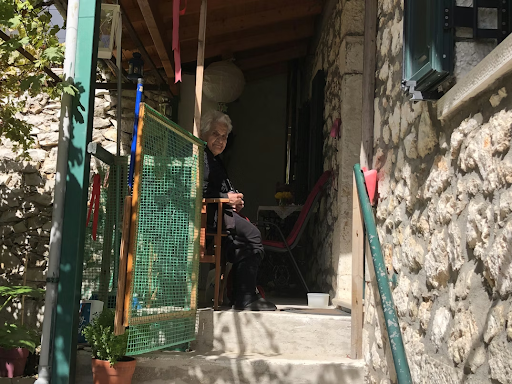
Get the Bed Height Right
Your parent should be able to sit on the edge of the bed with their feet flat on the floor. Too high and getting on is a struggle; too low and getting up is nearly impossible.
Keep the space around the bed clear for walkers or walking sticks. Bedside lamp within easy reach, phone charged and nearby, water within arm’s length.
Furniture Arrangement Matters
Create wide, clear pathways through every room. Measure walker width if they use one – you need at least that much space, preferably more.
Remove furniture with sharp corners if possible, or add corner protectors. Coffee tables are often the perfect shin height for painful bumps.
Choose sturdy furniture they can lean on if needed. That wobbly side table? Replace it with something solid.
Quick Wins You Can Do This Weekend
Don’t feel overwhelmed by this list. Start with these immediate changes:
- Remove or secure all loose rugs throughout the house
- Install nightlights from bedroom to bathroom
- Add at least one grab rail in the bathroom (more if possible)
- Replace low-wattage bulbs with brighter options
- Clear all pathways of clutter, cords, and obstacles
- Label medications, light switches, and appliances clearly with large print
The Bottom Line
Making your home safe for elderly parents isn’t about turning it into a hospital. It’s about small, thoughtful changes that protect dignity and independence.
Walk through your home at their pace, at their height, with their limitations in mind. You’ll spot hazards you never noticed before.
What modifications have you made for aging parents? Share your best tips in the comments – we’re all learning together.