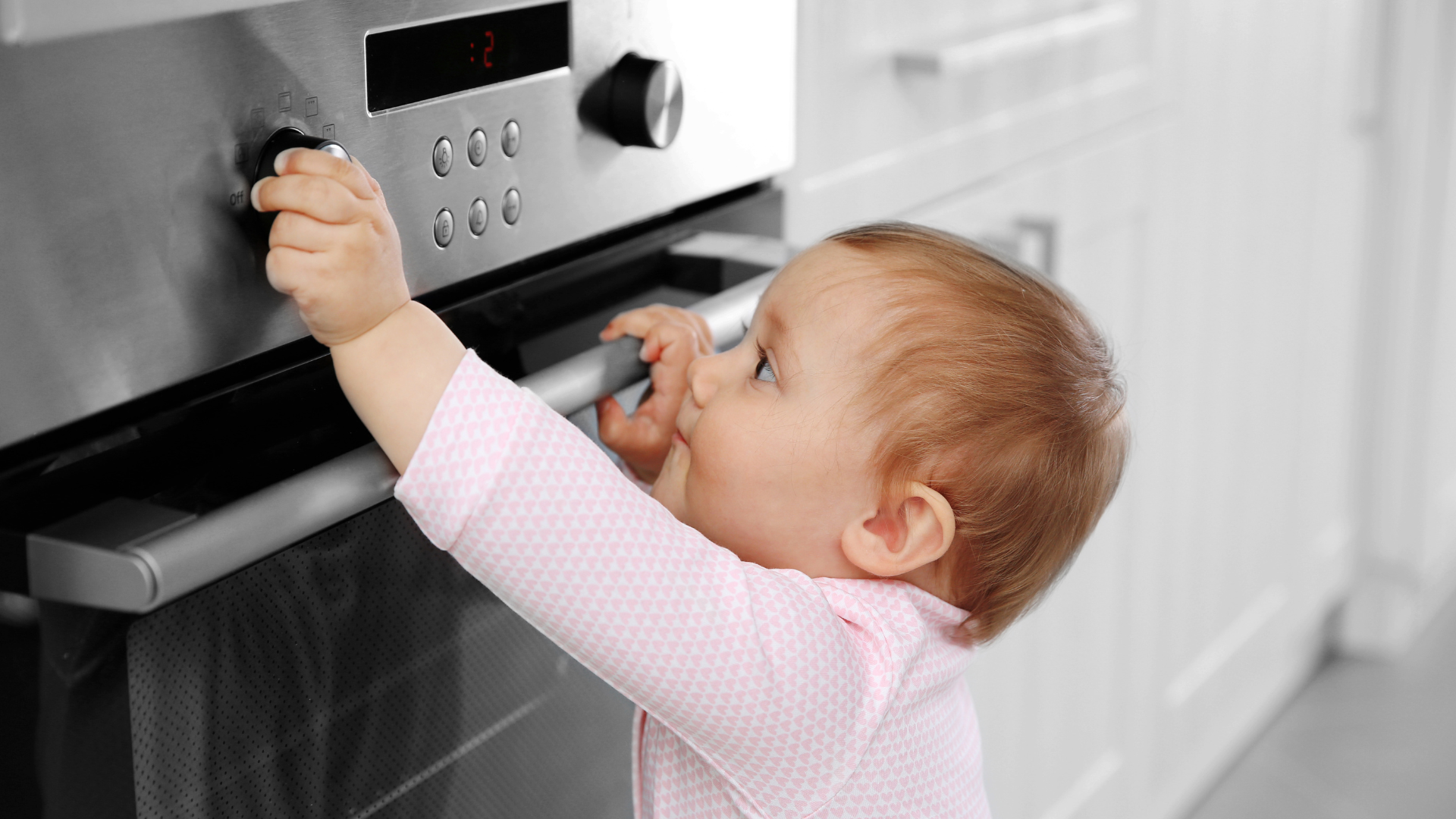
Creating a child-friendly home often starts with the most well-known steps, such as covering outlets and locking cabinets. Yet some everyday spaces still hide risks that many parents overlook. Curious kids love to climb, explore and test their surroundings, which makes thoughtful home safety especially important. The good news is that many hazards are easy to fix with small adjustments and a little awareness. A few smart changes today can help create a more relaxed environment where children can play and grow with confidence.
1. Toppling Hazards: Unsecured Furniture and Televisions
Unsecured furniture and televisions can quickly become hidden hazards at home. Young children under five face the highest risk because they naturally climb, pull drawers or reach for objects above their height. Opening drawers shifts the cabinet’s weight forward, which can cause the furniture to tip.
Heavy items placed on top, such as televisions, can also fall and increase the risk of injury. Choose sturdy furniture with a wide base and place it on a flat surface. Use drawer stops or interlocks, secure large items to the wall and mount TVs or attach them to stable units.
Store heavier items in lower drawers and avoid placing toys on tall furniture. If you rent, ask your landlord about installing safety anchors.
 2. Window Safety Risks: Fall Hazards in Urban Homes
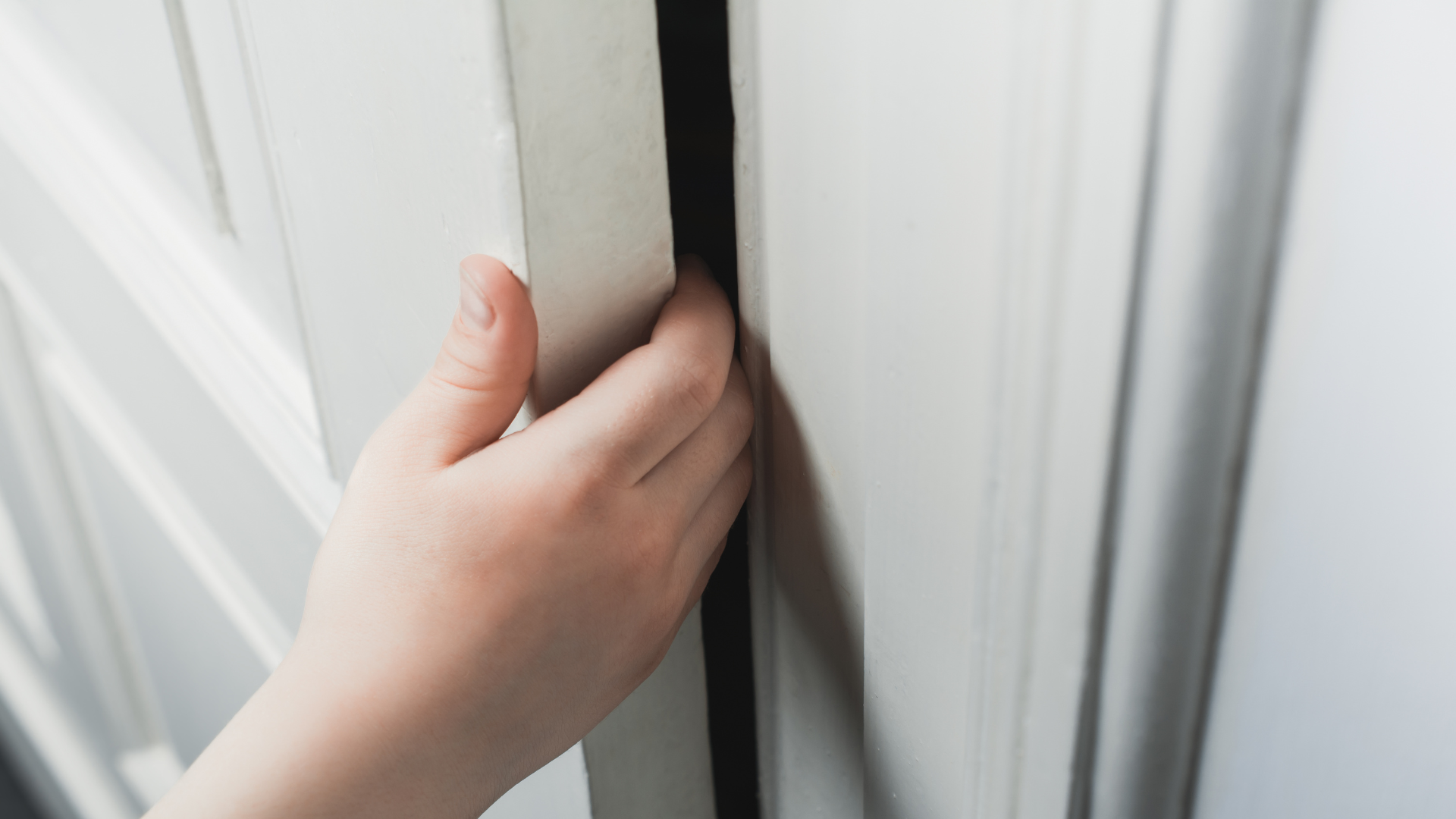
A high-risk window is one that can open, is positioned less than 1.7 metres above the floor and has a drop of two metres or more outside. Safety devices can help reduce this risk by limiting how far the window opens and adding child-resistant release mechanisms.
These devices include window screens, locks or similar fittings designed to improve safety. Effective devices restrict the opening to less than 125 mm and resist forces up to 250 newtons (about 25 kg) to prevent the window from being pushed open.
Many options are available through hardware stores or online retailers. Homeowners can typically install these devices themselves, although professional installation is also available if preferred.
3. Garage and Outdoor Risks: Driveways, Doors and Play Areas
Garages and outdoor areas can become busy spaces where children explore, play and move between indoors and outdoors. Smart garage door openers help you manage this space more safely by connecting your garage door to your smartphone. These systems allow you to open, close and monitor the garage door remotely, which helps you stay aware of when the door is used.
Many models send real-time alerts when the garage door opens or closes, helping you stay aware when kids are nearby. Some systems include sensors that stop the door if something blocks its path. Features like geofencing can also close the door automatically when you leave the area. Smart monitoring helps you stay informed and reduce the risk of accidents or unexpected access.
Additionally, always check where children are before moving vehicles in or out of garages and driveways. Keep play areas separate from vehicle spaces and avoid using driveways for play. Secure garage and driveway access with locked doors or gates. When possible, create a safe outdoor play area away from vehicles or use a fenced space for kids.
4. The Hidden Risks in the Heart of the Home: Kitchen and Laundry
 Dishwasher and laundry detergents are common household items, but they can be dangerous for young kids if used improperly. Household poisons encompass medicines, detergents, cleaning supplies, toiletries, garden chemicals and other everyday products. Accidental poisonings in the home are quite frequent. They predominantly occur in children under five, especially those aged 1 to 3 years.
In fact, nearly 40 children are hospitalised each week due to poisoning, with household chemicals like detergents being a significant factor in many of these cases. Brightly coloured liquids, powders and capsules may attract kids because they resemble sweets. Keep detergents on high shelves or in locked cupboards and return them there immediately after use. Add detergent just before starting the wash and clean any residue from dispensers to help keep these products out of kids’ reach.
Additionally, many burn injuries happen at home — especially among women and children — where everyday activities may involve heat or hot surfaces. Children’s skin is also thinner than adults’, so hot water, steam or heated styling tools can cause burns more easily. When preparing meals, turn pot handles toward the back to prevent any accidental bumps — and to keep little hands from getting too curious.
Your Childproof Home: A Continuous Journey
Childproofing works best when you treat it as an ongoing habit rather than a one-time task. Simple actions like securing furniture, installing window safety devices and storing detergents safely can reduce everyday risks at home. Every small improvement contributes to a safer space for children to explore and learn. Taking a few minutes each day to review your home can help you spot new risks as kids grow and become more curious. Small adjustments today can make everyday family life safer and more comfortable.