
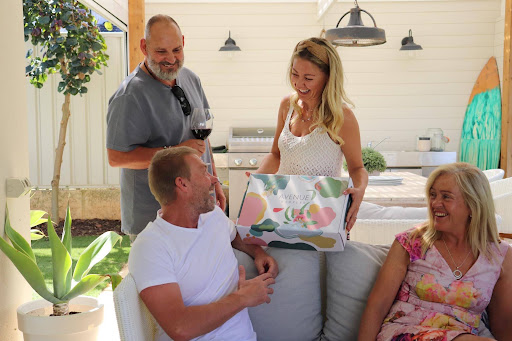
Every family has its own Christmas habits. In one house it is a long lunch that runs into the evening. In another it is a quiet morning, a cup of tea and nobody opening anything until the kettle has boiled. A hamper can fit into either, but only if it suits the people who will actually open it.
A ready-made box can still feel personal. The trick is to make a few decisions before you start browsing, so that what arrives reflects your household rather than a general idea of Christmas. These are the questions worth asking first.
Who is it really for?
Start with whether the gift is for one person, a couple or the whole household. A hamper for grandparents who live on their own needs a different mix from one for a family with three children and a visiting cousin. If it is meant to be shared, look for contents that are easy to divide: packets that can be opened separately, treats in small portions and things that don’t need a chopping board to enjoy. If it is for one person, a smaller box of favourites usually goes down better than a huge one they feel obliged to finish.
Think about the day itself. For many families in Sydney, Christmas is hot, the kitchen is already busy and nobody wants another thing to prepare. Snacks and sweet treats that can sit on the table work better than anything that needs cooking or a space in a full fridge. Check the product page for storage notes rather than assuming everything in the box can be left out.
Match the contents to the household
Look at what is actually inside the hamper, not just its name. Product pages list the contents, so you can compare them with what you know about the people you are buying for. Does your sister avoid nuts? Does your father-in-law prefer savoury to sweet? Does anyone in the family not drink alcohol? Those details matter more than the ribbon.
Many hampers are food only, while others include wine, so it is worth checking which one you are looking at. If you are unsure about dietary needs, ask someone close to the recipient. A quick message to a cousin or a neighbour is easier than a gift that can’t be eaten.
Families with children often like to have something for the kids to open as well as something for the adults. If you are sending to a house with several generations, a mixed selection can give everyone a turn.
Add something that sounds like you
A message turns a bought gift into one that came from you. Some hamper businesses, such as Avenue Hampers, let you add a message at checkout that goes on a handwritten card, which is a small step that makes a real difference.
Write something only your family would understand. Mention last year’s lunch, a joke from the holidays or the thing your nephew said at the beach. Two or three sentences in your own voice will be remembered longer than a printed greeting, and they cost nothing.
If the hamper is a thank-you rather than a family gift, the same rule applies. Say what you are thanking them for. “Thanks for having the kids over every Friday” is better than “Season’s greetings”.
Sort out delivery early
If your family lives in another state, order early. Avenue Hampers sends hampers Australia-wide from Perth, and delivery dates depend on the destination, so check the cut-off for your postcode and leave yourself a few spare days. Delivery dates are not guaranteed, particularly in the weeks before Christmas, and a late parcel is difficult to fix once the holidays begin.
Choose an address where someone will be home. A family that is away for the week, or a workplace that closes for the break, can leave a hamper sitting on a doorstep. If you aren’t sure about plans, ask without giving the surprise away. “Where will you be on the 23rd?” works as an everyday question.
Keep the choice simple
You don’t need to find the most impressive box. A hamper that matches the household, includes a message from you and arrives when someone can enjoy it will feel more personal than an expensive one chosen in a rush. Make a short list of the people you are buying for, decide on a budget for each and work through it one name at a time. Most of the thinking is done before you open a single page.


