
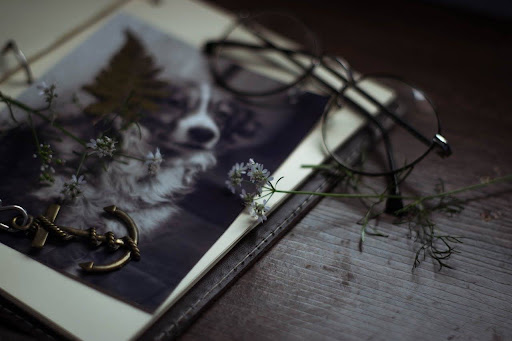
While they might be our furry friends, they are also family members who become ingrained within the house. Whether it’s the morning they sit beside the door when we leave or the special spot they lay on the couch when watching TV, these pets have made themselves at home within our family structure. As such, their absence leaves a big hole in the house.
Parents must not only grieve the loss, but teach their kids how to cope with their grief as well. The death of an animal companion marks the very first time that many kids will ever encounter feelings of grief. It is hard to know the right way to deal with this situation, but celebrating the love that you all had may be a good step forward.
Why Memorial Rituals Can Help Families Heal
Pet death is an extremely difficult ordeal and, frankly speaking, it is somewhat confusing to kids. For kids and adults alike, rituals become a helpful tool to cope with intense emotions without suppressing them. Rather than trying not to show any negative feelings, participating in some form of a remembrance ceremony allows them to talk about it, cry or laugh in reminiscence.
In fact, it has been proven that staying connected is an integral part of coping with pet grief. According to psychologists, continuing bonds theory is a great example of how a symbolic bond with a person is helpful when we have to cope with our grief.
Unfortunately, society often does not appreciate the pain that comes from losing a beloved pet but a recently conducted Pet Grief Survey by the RSPCA proved that more than 99% of respondents consider their pets to be members of their families or friends/companions. By participating in some sort of a ritual, we divert our thoughts from the death of a pet towards all the happiness it gave us.
Create a Family Memory Book or Photo Album
One of the most soothing things you can create together is a memory book. Living in a technology-driven era, there’s something about physically holding an album and looking at its pages. Begin the task by collecting all the pictures, either print-outs or digital ones, which represent your beloved pet’s individuality.
However, try to make the project not just another gallery. Invite your children to add their own sketches, paint some pages, or write some stories that remind you of the good moments when your puppy took a sausage from the barbeque, or your kitty loved sleeping in the washing machine. Reminiscing about the good moments turns into a very positive and engaging activity.
Questions Children Can Answer
To get the conversation flowing and help kids express themselves, try asking them a few simple prompts:
- What was your absolute favourite thing about our pet?
- What fun adventure or silly moment do you remember the most?
- What made them so incredibly special to our family?
Plant a Living Tribute in Your Pet’s Honour
It’s incredibly comforting to see something fresh grow where there once was something old and lost. This could range from planting a tree, a blooming plant, or even creating a garden space as a way of honoring your beloved pet that has passed on. Having a memorial like this makes sure your kids have a specific place to go whenever they’re feeling sad.
In the future, this process could develop into a sweet family ritual. You could spend Sunday mornings watering your plant together and watching it grow and flourish throughout the changing seasons.
Ideas for Small Spaces
You don’t need a massive backyard to make this happen. If you have limited outdoor space, you can easily adapt the idea:
- Brighten up a balcony with a few vibrant planters.
- Choose a hardy, beautiful indoor plant for the living room.
- Paint a terracotta memorial pot together before adding a favourite houseplant.
Involve Children in a Personal Goodbye Ritual
Although you might not require a proper ceremony, performing one for your own family may change everything. You could have everyone gather at the dining table or the living room in order to recite an interesting poem or share anecdotes about your dear pet.
Have your kids write a letter to their pet in memory, which can then be stored safely as a treasure. A good suggestion would be to create a physical memorial box, inside which should go items like his old collar, ID tag, squeaky toy, or worn-out blanket.
Keep Language Honest and Age-Appropriate
When educating your children on how to go through the process, it is necessary that there be open discussions about death. Avoid confusing your children about the process by using phrases such as “put to sleep” or “went away,” and this will create fear in your child about sleeping alone or leaving the presence of his or her loved one.
Instead, let your child be able to ask questions and vent their feelings of anger, confusion, or even intense sadness about the loss. Avoid immediately diverting your child’s mind about their grief because grief is an unavoidable outcome of love.
Consider the Importance of a Peaceful Farewell
Our final goodbyes taking place in a location where the emotional memories are made will last forever in our mind, making it possible to become a significant part of our grieving process as a whole.
In case we feel that our pet’s death is approaching, having some time to say goodbye to him in a relaxed setting may be easier. There is no doubt that many people would wish their pets could die in a comfortable environment, not in an upsetting one.
For families preparing for a final farewell, understanding available options such as at home pet euthanasia services in Gold Coast can help create a calm and familiar environment where loved ones have the opportunity to say goodbye together. This gentle approach helps both adults and children process the transition with a sense of peace.
Remember That Other Pets May Need Support Too
Though it might be easy to think of only the feelings that humans can have, it is equally important to take into consideration the fact that pets may have some needs that are yet to be addressed due to their sensitive personality. It will certainly be clear to an animal that there are some changes in its environment and daily schedule.
As pointed out by the information provided by PDSA, pets are also able to experience bereavement and will show their reactions in terms of attitude, attachment, appetite, and personality after the loss of a person dear to them. In this case, your expectations may include increased attention, laziness, and lack of appetite.
There Is No Deadline for Remembering a Beloved Pet
In the end, every family member will have his or her unique experience of grieving, and that is perfectly fine. One may be willing to spend much time talking about the lost friend, whereas another may need some silence before he or she is able to speak freely.
The affection and friendship we received from our pets will not disappear after their death – these sweet memories will serve us long in the future as well. Paying tribute to the departed friend does not mean that we should hurry up to heal from our sorrows. On the contrary, it only means that we are to pay our respect to the wonderful imprint our pet made in our hearts.
Being a Parent: How to Help Your Child Cope with Stress at College


