There’s a moment most mothers experience, usually somewhere between the third load of laundry and dinner prep, when you catch a glimpse of yourself in the mirror and think, “Who is that person?” The yoga pants have become a uniform. Your bag is filled with snacks, wet wipes, and spare clothes for everyone except you. Your hobbies? You vaguely remember having some, once upon a time.
Motherhood is all-consuming, especially in those early years. But here’s something we don’t talk about enough: losing yourself entirely in the role of “mum” isn’t good for you or your kids. Children benefit from seeing their mothers as whole people with interests, passions, and identities beyond parenting. Yet carving out time and mental space for yourself feels impossible when you’re juggling school pickups, homework battles, meal planning, and the endless domestic orchestra.
The good news is that reclaiming pieces of yourself doesn’t require a complete life overhaul or hours of free time you don’t have. It starts with small, intentional choices that honour both your role as a mother and your identity as an individual. Whether that means picking up a creative hobby that fits into naptime or refreshing your wardrobe beyond activewear, these small acts of self-preservation add up.
The Therapeutic Power of Creating Something With Your Hands
Remember when you had time for hobbies? When you could lose yourself in a creative project just because you enjoyed it? That version of you doesn’t have to disappear forever, even with little ones demanding your attention around the clock.
Crafting has experienced a major resurgence in recent years, and mothers are leading the charge. There’s something deeply satisfying about creating something tangible in a world where so much of parenting feels invisible. You spend all day caring for people, managing chaos, and preventing disasters, yet at the end of the day, what do you have to show for it? A sink full of dishes you’ll need to wash again tomorrow.
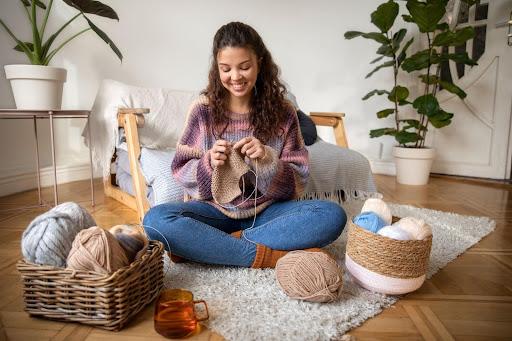
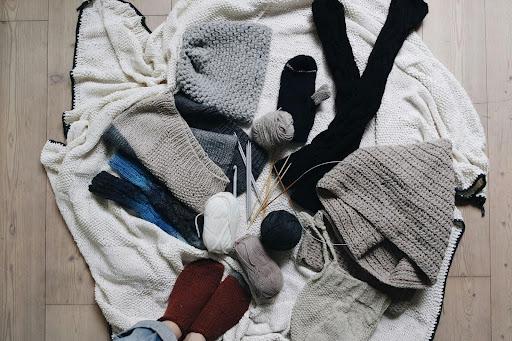
Knitting, crocheting, and other yarn crafts offer something different. They provide a creative outlet that’s portable, pauseable, and produces actual finished objects you can hold in your hands. Plus, there’s solid research showing that repetitive crafts like knitting lower stress hormones, reduce anxiety, and create a meditative state similar to mindfulness practice. For mothers operating in a constant state of alert, this kind of calming activity isn’t a luxury. It’s essential self-care.
The beauty of yarn crafts is that they fit into the fragmented schedule of motherhood. You can knit while supervising playground time, crochet during swimming lessons, or work on a project while watching kids’ sports on the weekend. You’re still present and available, but you’re also doing something for yourself.
Starting or returning to crafting as a busy mum works best when you choose projects specifically designed for your new reality. Complicated patterns requiring intense concentration are frustrating when you’re constantly interrupted. Instead, look for projects that are forgiving, portable, and genuinely useful.
Baby items are ideal first projects for exactly these reasons. Small blankets, booties, cardigans, and soft toys are quick to complete, giving you that satisfying sense of accomplishment. They make wonderful gifts for new babies in your circle, which means you’re being productive and thoughtful, not “wasting time” on a hobby. And if you’re still in the baby stage yourself, you’re creating practical items your family will actually use.
The yarn you choose matters more than you might think, especially for baby projects. Babies have sensitive skin, so soft, hypoallergenic fibres are essential. You’ll also want something durable that holds up to frequent washing, because anything for babies will definitely need frequent washing. When you’re looking for quality materials that meet these criteria, Baby yarns in Australia come in beautiful colours and textures specifically formulated for little ones, making it easy to create pieces that are both safe and lovely.
Beyond the practical benefits, there’s something meaningful about creating handmade items for your children. In an age of mass production and disposable everything, a hand-knitted blanket carries intention and care. Years from now, these pieces become treasured keepsakes that tell a story about this season of life. Your children might not remember every meal you cooked or every mess you cleaned, but they’ll remember the special blanket their mum made for them.
The process also teaches your children valuable lessons simply by watching you. They see that mums have interests beyond caregiving. They observe persistence, creativity, and the satisfaction of completing a project. They learn that hobbies and downtime aren’t selfish. These are important lessons that impact how they’ll value creativity and self-care in their own lives.
Beyond Mum Uniform: Rediscovering Your Personal Style
While we’re talking about reclaiming pieces of your pre-mum identity, let’s address the elephant in the room: your wardrobe. Or more specifically, the collection of stretched-out leggings, stained t-shirts, and practical footwear that has somehow become your daily uniform.
There’s nothing wrong with comfortable clothing. Motherhood is physically demanding, and you need outfits that can handle playground dirt, food spills, and unexpected gymnastics when a toddler demands to be carried. But there’s a difference between dressing comfortably and completely abandoning any sense of personal style.
Many mothers report feeling invisible once they have children. Part of that comes from how society tends to see mothers as functional beings rather than whole people. But part of it is how we see ourselves. When you dress like your only identity is “someone’s mum,” you start to feel that way internally too.
Rediscovering your style doesn’t mean squeezing back into pre-baby clothes that don’t fit your current body or life. It’s not about dressing up or wearing anything impractical. It’s about finding ways to express your personality through your clothing choices, even within the constraints of motherhood.
The key is updating your casual wardrobe with pieces that feel like you, not just generic mum clothes. This means moving beyond the basic t-shirt and actually choosing pieces with a bit of personality. Maybe you were always drawn to vintage aesthetics, streetwear, boho style, or classic minimalism. Those preferences don’t disappear just because you had children.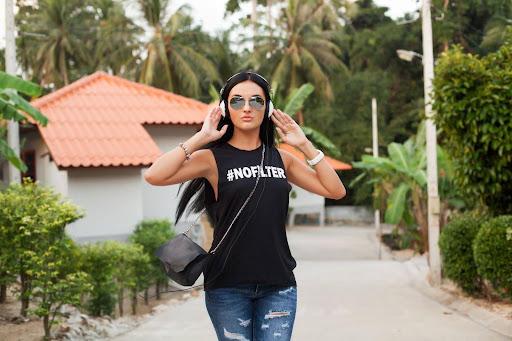
Street-style casual has become increasingly popular with mothers for good reason. It bridges the gap between comfortable and stylish perfectly. Loose-fitting tees, relaxed hoodies, comfortable pants, and classic sneakers create an effortlessly cool look that’s completely kid-friendly. You can move freely, get messy if needed, but still feel like you’re expressing something about who you are.
Brands that have street credibility give you an easy shortcut to looking put-together without much effort. A quality graphic tee immediately elevates an outfit beyond generic basics. When you’re reaching for something like a stussy shirt, you’re not just grabbing any old t-shirt. You’re choosing something with a distinct aesthetic that says something about your style, even if you’re just heading to drop-off or running weekend errands.
The investment in a few quality pieces that actually reflect your taste pays dividends for your mental state. Getting dressed in clothes you genuinely like, rather than whatever is clean and available, sets a different tone for your day. It’s a small act of self-respect that reminds you that you still matter as an individual, not just as someone’s caregiver.
This doesn’t require a huge budget or massive wardrobe overhaul. Start by replacing one or two items in your rotation with pieces that feel more “you.” Maybe it’s a graphic tee from a brand you loved before kids, a denim jacket that adds edge to your playground outfits, or sneakers that make you feel less frumpy. These small upgrades compound over time, gradually shifting your wardrobe from pure function to something that reflects your personality.
Your partner and kids might not consciously notice the difference, but you will. And that internal shift matters more than you might think. When you feel more like yourself, you show up differently in all areas of life. You’re not just performing the role of mother. You’re being yourself while also being a mother.
The Ripple Effects of Small Acts of Self-Preservation
Here’s what tends to happen when mothers make space for personal interests and self-expression: everything else gets better too. You have more patience with your kids. You feel less resentful about the demands of motherhood. You model healthy self-care for your children. You maintain connections to the person you were before becoming a parent, which keeps your identity more stable during this intense season.
The guilt around taking time for yourself is real and pervasive. Every hour spent on a hobby is an hour you’re not spending on your children or household tasks. But this framing is fundamentally flawed. You’re not a machine designed solely to care for others. You’re a human being who needs creative outlets, personal expression, rest, and things that bring joy.
When you regularly make small choices that honour your individuality, like working on a craft project or putting effort into how you present yourself, you’re not being selfish. You’re maintaining your mental health, which directly benefits your children. Kids don’t need perfect parents who sacrifice everything. They need mostly happy, reasonably balanced parents who teach them that self-care and personal interests matter.
The mothers who struggle most aren’t usually the ones who “do too much for themselves.” They’re the ones who do nothing for themselves until they burn out completely. Prevention through small, consistent acts of self-preservation is far better than dramatic interventions after you’ve hit rock bottom.
Integrating personal interests into your daily routine requires intention. It won’t happen automatically because there will always be something more urgent demanding your attention. But urgent rarely equals important. Folding laundry is urgent. Maintaining your mental health through creative outlets and personal expression is important. Learning to prioritise important over urgent is one of the most valuable skills of motherhood.
Start small. Commit to working on a craft project for 15 minutes a day. Replace one generic item in your wardrobe with something you actually like. Book one social activity that isn’t kid-focused. These tiny actions accumulate into real change over time. They remind you that you’re still a person with interests and an identity beyond your children.
Building a Life That Has Room for Everyone, Including You
The goal isn’t to reclaim your pre-children life exactly as it was. That life is gone, and that’s okay. You’ve grown and changed. Your priorities have shifted. But growth doesn’t require erasing all previous versions of yourself. The healthiest approach integrates who you were, who you’ve become, and who you’re still becoming.
Motherhood is a significant chapter in your life, but it’s not the whole story. Especially in the early years when children are completely dependent, it’s easy to lose sight of the bigger narrative. You might be deep in the trenches of little-kid parenting for years, but those years will eventually pass. What happens when your identity is so completely merged with active mothering that you don’t know who you are once kids become more independent?
The mothers who navigate this transition most successfully are usually the ones who maintained some connection to their interests and identity throughout the demanding years. They’re the ones who kept crafting through toddlerhood, who never completely abandoned their personal style, who held onto small pieces of themselves even when life was overwhelmingly focused on children.
This isn’t about being a perfect mother or a perfect individual. It’s about being a real, whole person who is also a mother. That person might wear comfortable clothes that reflect their actual style. That person might create beautiful handmade items during stolen moments. That person might sometimes put their kids in front of a screen so they can finish a project that matters to them. All of this is okay. More than okay, it’s healthy.
Your children benefit when they see you as a complete person. They learn that mothers have value beyond what they do for others. They see that interests and self-expression matter. They understand that parenting is an important role but not an all-consuming identity. These lessons shape how they’ll approach their own lives and relationships in the future.
The path forward isn’t about massive changes or finding hours of free time that don’t exist. It’s about small, consistent choices that acknowledge your worth beyond your utility. Pick up that craft project you’ve been thinking about. Upgrade a few pieces in your wardrobe to things you actually like. Carve out small pockets of time for things that feed you rather than drain you.
You are more than what you do for others. Remembering that isn’t selfish. It’s necessary. And the small acts that honour that truth will ripple through your life in ways you might not expect, creating a version of motherhood that has room for all of you, not just the caregiving parts.

4 tips to create a stress-free wardrobe that works for your lifestyle