Tucked away in South Asia, Pakistan remains one of the world’s most underrated travel destinations. This diverse country offers everything from ancient civilizations and vibrant bazaars to some of the planet’s most spectacular mountain ranges. If you’re considering a journey to this fascinating land, here’s what you need to know before you pack your bags.
Understanding Pakistan’s Geography and Climate
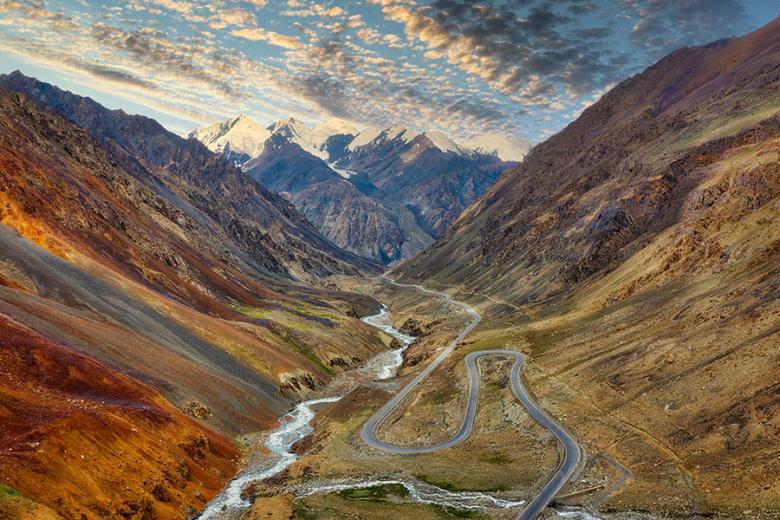
Pakistan’s landscape is incredibly varied, stretching from the Arabian Sea coastline in the south to the towering peaks of the Karakoram and Himalayan ranges in the north. The country experiences distinct seasons, with scorching summers in the plains and mild, pleasant weather in the mountainous regions.
The best time to visit depends on your destination. For northern areas, May through October offers ideal conditions, while the southern regions are more comfortable between November and March. Winter brings heavy snowfall to mountain areas, making some regions inaccessible but creating stunning winter wonderlands.
Visa Requirements and Entry Procedures
Pakistan has significantly simplified its visa process in recent years, introducing an online visa system for tourists from many countries. Most visitors can now apply for an e-visa, which typically takes 7-10 business days to process. The tourist visa is generally valid for 90 days and allows single or multiple entries.
Make sure your passport is valid for at least six months beyond your intended stay. Some travelers may still need to apply through Pakistani embassies or consulates, so check the requirements for your specific nationality well in advance of your trip.
Cultural Norms and Local Etiquette
Pakistan is a predominantly Muslim country with conservative social values, particularly outside major cities. Dressing modestly is essential for both men and women. Women should cover their shoulders and knees, and carrying a scarf to cover your head when visiting religious sites is advisable.
Pakistanis are renowned for their hospitality and warmth toward guests. Don’t be surprised if locals invite you for tea or meals. Accepting such invitations is a wonderful way to experience authentic Pakistani culture, though it’s polite to bring a small gift if visiting someone’s home.
Safety Considerations for Travelers
While Pakistan has made tremendous strides in improving security, it’s important to stay informed about the current situation. Some regions, particularly near the Afghan border, remain off-limits to tourists. However, popular tourist destinations in the north, including Hunza, Skardu, and Swat Valley, are generally safe.
Register with your embassy upon arrival and stay updated on local news. Hiring local guides, especially for Pakistan trekking adventures in remote mountainous areas, not only enhances your experience but also adds an extra layer of security. Most travelers report feeling safe and welcomed throughout their journey.
Must-Visit Destinations
The northern areas of Pakistan are the crown jewels of the country. Hunza Valley offers breathtaking mountain vistas, ancient forts, and incredibly hospitable communities. Skardu serves as the gateway to some of the world’s highest peaks, including K2.
Lahore, the cultural capital, boasts magnificent Mughal architecture, including the iconic Badshahi Mosque and Lahore Fort. The walled city’s food street is a paradise for culinary enthusiasts. Don’t miss Karachi’s vibrant urban energy or the ancient ruins of Mohenjo-daro, one of the world’s earliest urban settlements.
Food and Dining Experience
Pakistani cuisine is a flavorful fusion of Central Asian, Persian, and Indian influences. Expect generous portions of aromatic rice dishes, tender kebabs, and rich curries. Each region has its specialties, from Lahori paya to Peshawari chapli kebab.
Street food is an integral part of Pakistani culture, but choose busy stalls with high turnover for the freshest options. Most restaurants cater to various spice tolerance levels, so don’t hesitate to request milder versions. Vegetarians will find plenty of options, particularly lentil dishes and vegetable curries.
Practical Travel Tips
The Pakistani Rupee is the local currency, and while major cities have ATMs, carrying cash is essential when traveling to remote areas. Credit cards are accepted in upscale hotels and restaurants but not widely elsewhere.
English is commonly spoken in tourist areas and cities, making communication relatively easy. However, learning a few basic Urdu phrases will endear you to locals. Mobile connectivity is generally good, and purchasing a local SIM card is inexpensive and straightforward.
Pakistan offers an unforgettable travel experience that challenges preconceptions and rewards adventurous spirits. With proper planning, cultural sensitivity, and an open mind, your Pakistani journey will likely become one of your most memorable adventures. The country’s natural beauty, rich history, and legendary hospitality create a travel experience unlike any other.
15 Migration Firms in Australia for Visa and Immigration Services