Australia offers extraordinary travel diversity within relatively accessible distances, making it possible to experience dramatically different landscapes and climates without international flights or extensive planning that family schedules often can’t accommodate. From alpine regions with snow sports and mountain scenery to tropical coastlines with ancient gorges and pristine beaches, the variety available means you’re never locked into a single type of holiday just because you’re staying domestic.
The appeal of exploring different Australian regions goes beyond just seeing new places. These distinctive destinations offer experiences genuinely different from daily life in ways that nearby weekend trips sometimes can’t provide. Mountain environments change how you spend days; cooler temperatures, different activities, scenery that contrasts sharply with coastal living most Australians know. Remote coastal regions offer isolation and natural beauty that feels worlds away from suburban routines despite being within the same country.
Planning family travel around these diverse experiences makes holidays more memorable and interesting for everyone involved. Children experiencing snow for the first time or exploring wilderness areas unreachable by car create lasting memories that beach holidays, however lovely, sometimes struggle matching simply because they’re more familiar. The key is understanding what each destination type offers and choosing based on what your family needs from a break rather than defaulting to the same holiday style repeatedly.
 Coastal Getaways Close to Home
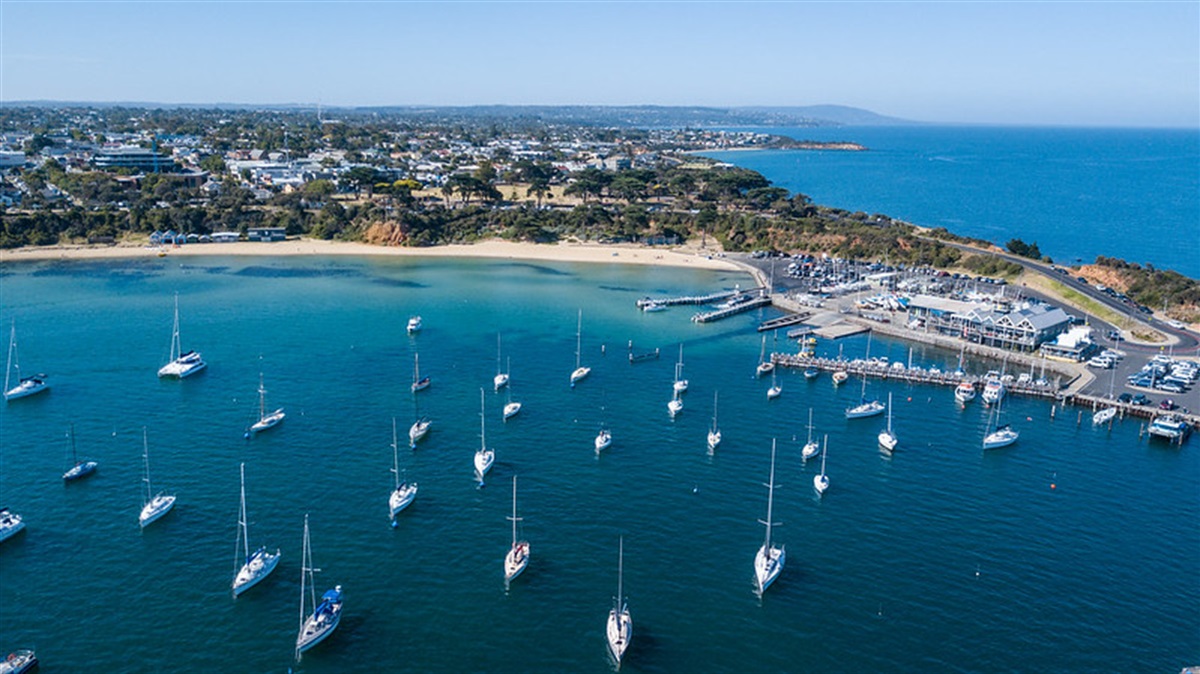
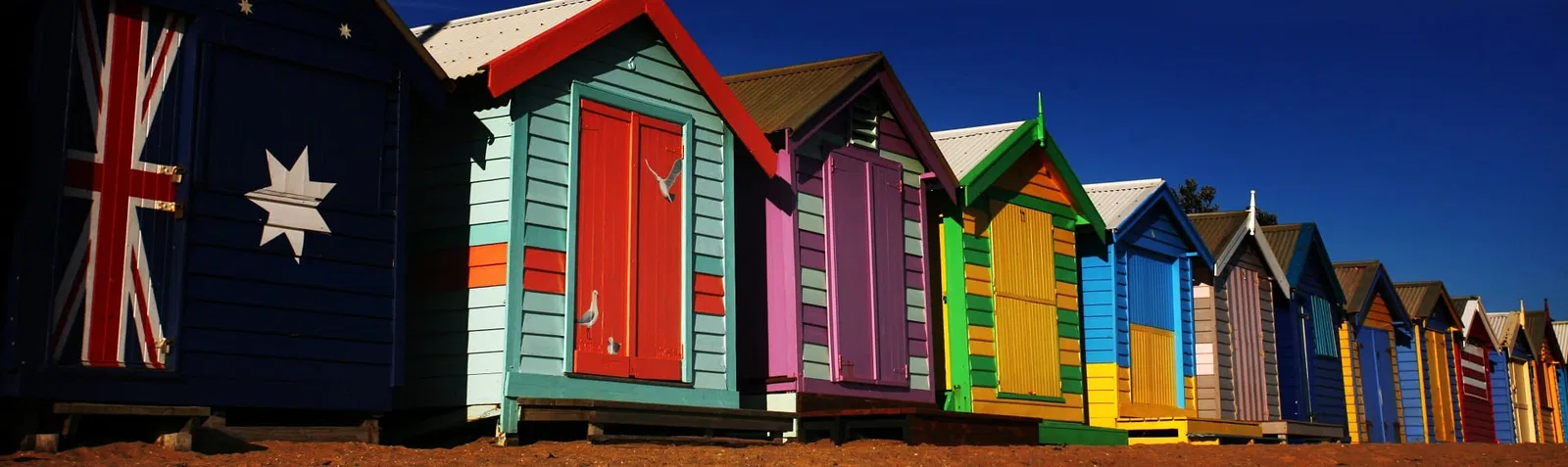
Victoria’s Mornington Peninsula represents one of those accessible destinations that manages feeling like a proper holiday despite being close enough for relatively easy travel from Melbourne. The peninsula offers coastal scenery, beaches ranging from calm bay swimming to ocean surf, wineries for adults, and enough activities that families can fill several days without feeling they’ve exhausted options or need entertaining children in hotel rooms.
The beauty of peninsula holidays lies partly in the flexibility they allow. You can structure days around beach time, visit local attractions, explore coastal walks, or simply relax at your accommodation without feeling pressured to maximize every moment. This relaxed approach often works better with children than tightly scheduled itineraries where missed activities create stress rather than the break you’re supposedly taking.
Accommodation choices significantly affect how enjoyable these getaways become, particularly when traveling with children where space, amenities, and proximity to activities matter more than they might for couples. Options like a quality mornington peninsula hotel provide the facilities and services that make family holidays manageable; pools for children, dining without leaving property when everyone’s tired, and enough space that you’re not all cramped together constantly. The convenience of hotel amenities often justifies costs when you consider the stress saved from managing holiday rentals with children.
The peninsula works well for various trip lengths; from quick weekends to longer breaks; making it especially practical for school holiday periods when you want a proper getaway without committing to extensive travel time. Driving a couple of hours beats flying with children, dealing with airports, and navigating the general exhaustion that travel days create before holidays even properly begin. Sometimes the best family holidays are the ones where you spend more time actually on holiday than getting there and back, and coastal peninsulas consistently deliver that balance of convenience and relaxation.
Seasonal timing affects peninsula experiences considerably. Summer obviously brings beach focus with swimming, water activities, and long days outdoors, but also the crowds that sometimes make popular beaches less relaxing than you’d hoped. Autumn and spring offer milder weather perfect for walks, markets, and outdoor activities without intense heat, plus fewer crowds that make everything; from beaches to cafés to scenic lookouts; far more pleasant. Even winter has its appeal; rugged coastal scenery, cozy accommodation, roaring fireplaces, and winter-only activities create a different kind of holiday that feels special precisely because it breaks from the usual summer beach routine families tend to default to.
Alpine Adventures in the Snowy Mountains
Australian mountains might not match international alpine destinations for scale or facilities, but they offer something valuable: accessible mountain experiences without international travel complexity or expense. The Snowy Mountains provide Australia’s premier alpine region with winter snow sports, summer hiking, and year-round scenery that appeals to families wanting something different from the coastal holidays that dominate Australian tourism.
Winter naturally draws the most attention to the Snowies. Skiing and snowboarding attract both enthusiasts and families introducing children to snow sports, but you don’t need to be an expert; or spend a fortune; to enjoy the region. The simple experience of snow itself excites children who’ve never seen it, making even basic snow play memorable. Building snowmen, sledding, crunching through fresh powder, and exploring snowy landscapes create pure excitement for kids used to Australia’s generally mild climates. Even short visits leave lasting memories, and the mix of novelty, adventure, and fresh mountain air makes the Snowy Mountains a rewarding family destination in any season.
Choosing appropriate accommodation Snowy Mountains involves balancing location, facilities, and budget in ways that differ from beach holidays. Proximity to ski resorts matters if you’re actually skiing, but for families wanting snow experiences without committing to expensive slopes, slightly more distant accommodation often offers better value whilst still providing access to snow and mountain scenery. Consider what you’ll actually do; if skiing, location near lifts justifies premium pricing, but if mostly playing in snow and enjoying mountain environment, you have more flexibility.
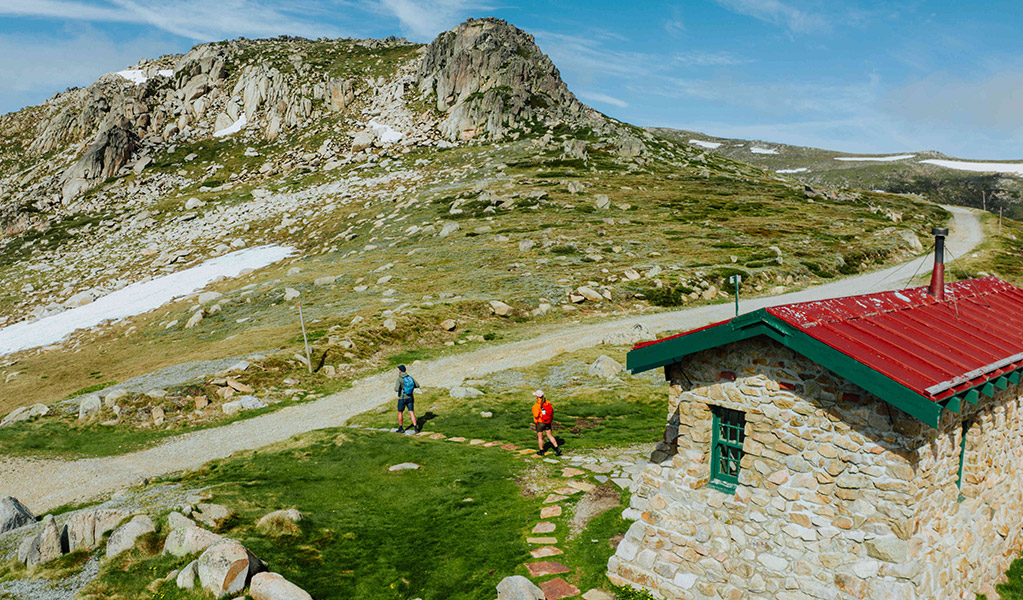
Summer in the mountains deserves far more attention than it typically receives from Australian families who default to beach holidays. Mountain temperatures stay pleasantly cool when coastal areas swelter, making hiking, cycling, and general outdoor exploration far more enjoyable. Clear streams, wildflowers, and sweeping alpine views create beautiful backdrops for family adventures without the oppressive heat that often turns summer activities elsewhere into endurance tests. Many families who try a summer mountain trip for the first time are surprised by how refreshing and relaxing it feels compared to the busier, hotter coastal regions.
Planning mountain holidays does require a bit more awareness of weather and conditions than standard beach trips, where the worst inconvenience is usually a rainy day. In alpine regions, snow, sudden temperature drops, and occasional road closures can affect plans, especially outside summer. Checking forecasts, monitoring road conditions, and having flexible backup activities makes the experience smoother. Mountains are naturally more unpredictable than beaches, but this unpredictability adds to the sense of adventure rather than detracting from the holiday; provided you approach it with the right mindset.
Activities shift dramatically between seasons, which affects how different age groups experience the mountains. Teenagers often thrive on winter snow sports like skiing and snowboarding, while younger children may struggle with heavy gear, cold temperatures, and the physical demands. Summer, on the other hand, opens the door to gentler pursuits; picnics by alpine lakes, easy family hikes, beginner-friendly mountain biking, and safe water play in shallow creeks. These warm-weather activities appeal to broader age ranges and require less specialised equipment. Considering your children’s ages, interests, and comfort levels helps you choose not only the destination but the most rewarding season for your family’s mountain getaway.

Remote Wilderness Cruising
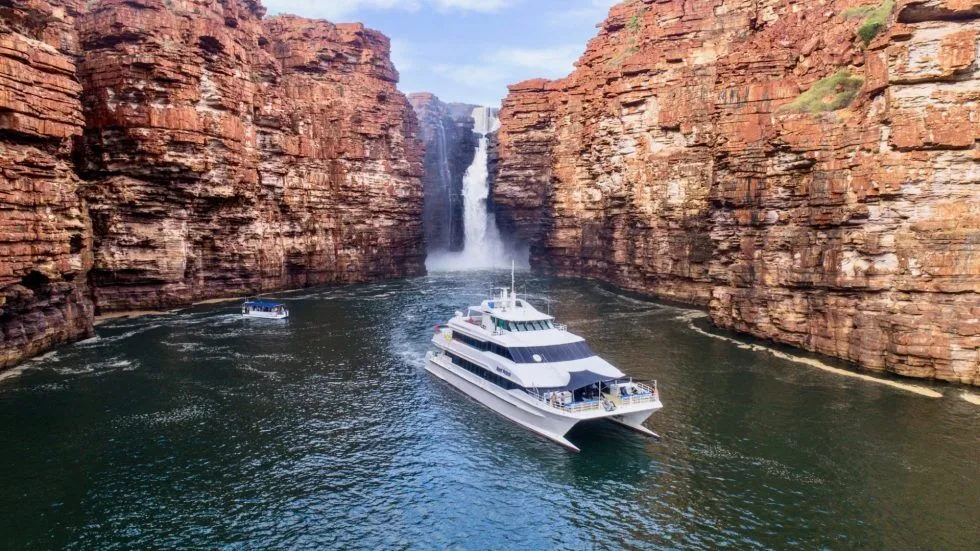
For something completely different from either beach or mountain holidays, wilderness cruising offers experiences impossible replicating through land-based travel. Australia’s remote northern coastlines feature landscapes best appreciated from water, where cruise vessels provide comfortable bases whilst exploring gorges, waterfalls, and coastal formations accessible only by boat.
The Kimberley region represents Australia’s premier wilderness cruising destination with dramatic landscapes, ancient rock art, powerful tides, and pristine environments that feel utterly removed from suburban life. Options like kimberley cruises demonstrate how specialized vessels enable families to experience remote regions without the challenges of independent travel in areas lacking infrastructure. You’re essentially bringing accommodation with you whilst moving between locations that would require extensive logistics access individually.
Cruise travel solves multiple challenges families face with remote destinations. You don’t need organizing accommodations across various locations, planning routes, or worrying about vehicle capabilities on rough roads. Meals are provided, removing the constant question of what everyone will eat in areas without restaurants. The vessel serves as a comfortable base whilst excursions explore specific locations, returning each evening to familiar spaces rather than constant packing and moving between accommodations.
The nature of cruise itineraries means less control over specific daily schedules compared to independent travel, which bothers some families whilst others appreciate the structure removing constant decision-making about what to do next. Cruises have set departure times, planned excursions, and group dynamics that differ from traveling independently. Whether this appeals depends largely on your family’s travel style and whether structured group experiences feel enjoyable or constraining.
Wilderness cruising works particularly well for families with older children and teenagers who appreciate the natural environment and can participate fully in activities like kayaking, hiking to waterfalls, and exploring cultural sites. Younger children might find the remote locations and lack of typical entertainment options challenging, though some find the novelty of boat life and constant environmental changes engaging enough. Consider honestly whether your children will find this type of holiday exciting or boring before committing to the expense and remoteness.
The timing and planning required for remote cruise holidays differs significantly from driving to the peninsula or mountains. These trips need booking well in advance, require flights to departure points, and involve more substantial commitments of time and money. They’re not spontaneous weekend getaways but rather significant holidays requiring planning and preparation. The reward is experiencing parts of Australia most people never see, creating genuinely unique family memories of places that can’t be replicated with simpler travel.
Creating Varied Holiday Experiences
Australian families benefit from varying holiday styles rather than repeating the same beach house rental or coastal apartment every break. Children experiencing different environments; mountains, remote wilderness, various coastal regions; develop broader appreciation for natural diversity and create varied memories rather than holidays blurring together into repetitive patterns.
The practical reality is that some years suit certain holiday types better than others based on children’s ages, schedules, budgets, and family circumstances. Mountain holidays make more sense when children reach ages handling cold weather and physical activities comfortably. Wilderness cruises appeal more to families with older children appreciating natural environments. Coastal getaways work across wide age ranges but offer different experiences depending on specific destinations and seasonal timing.
Building variety into family holiday patterns doesn’t require elaborate planning or visiting every destination type annually. It means occasionally choosing something different rather than defaulting automatically to familiar options simply because they’re comfortable and require less thought. The rewards come through experiences that stand out precisely because they’re different, creating memories that last beyond countless similar beach holidays that eventually blur together regardless of how pleasant they were individually.
Australia offers extraordinary diversity within relatively easy reach for families willing to venture beyond default coastal holidays. Understanding what different regions offer helps matching destinations to what your family needs from breaks rather than repeating patterns that might not actually serve you best anymore as children grow and interests evolve.