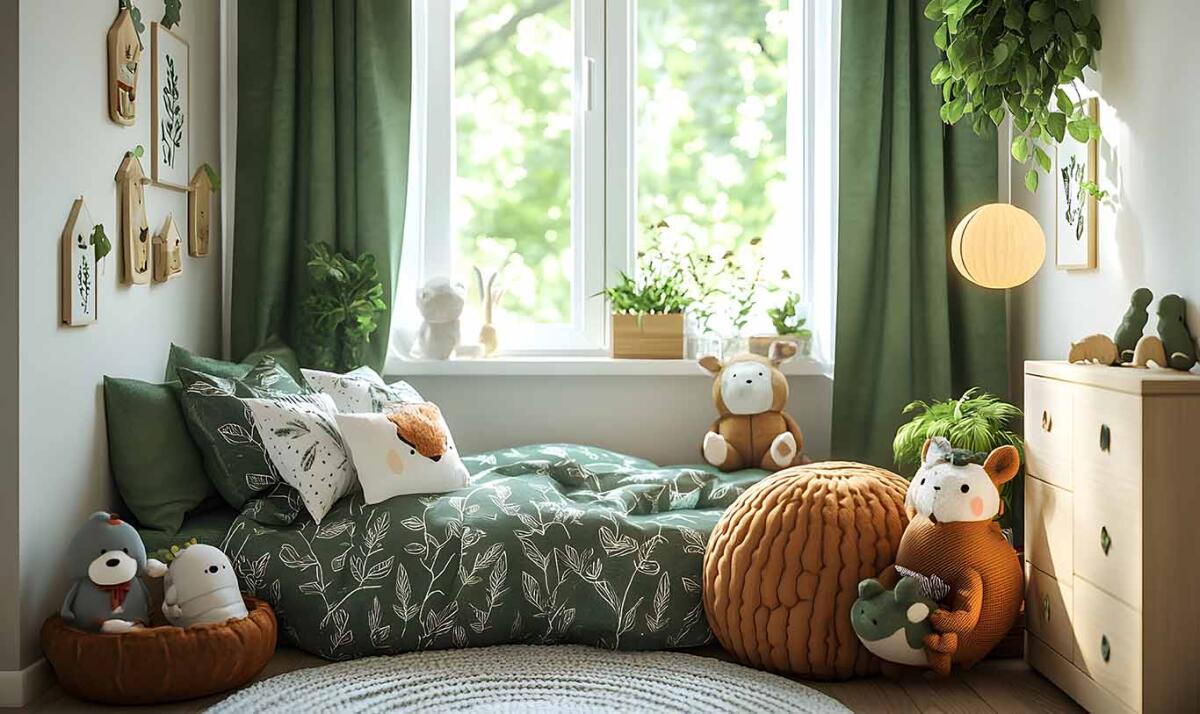
Creating a comfortable sleep environment for a baby involves more than choosing the right crib or bedding. Parents also need to think about how the home’s heating and cooling systems affect the nursery. For example, when families plan upgrades like furnace replacement, it can be a good opportunity to improve temperature control throughout the house, including the baby’s room. Stable indoor temperatures help create a safer, more comfortable sleep environment and make it easier to maintain conditions that support healthy rest.
Why the Ideal Temperature for Baby Room Matters for Healthy Sleep
A child’s bedroom is more than just a place to sleep—it acts as a micro-environment that directly influences breathing, body temperature, and sleep cycles. Because of this, maintaining the ideal temperature for baby room conditions is one of the most important parts of creating a healthy sleep space.
Unlike adults, babies and young children have immature temperature-regulation systems. Their bodies lose heat faster, overheat more easily, and rely heavily on the surrounding environment to stay within a safe temperature range. Adults can adjust to temperature changes by sweating, moving blankets, or shifting positions during sleep, but babies cannot. Their bodies are still learning how to balance heat production and heat loss, which means they depend on room conditions to stay comfortable and safe.
When the bedroom is too warm or too cold, the child’s body must work harder to stabilize itself. A nursery that is too warm, poorly ventilated, or overly dry can increase this physiological effort, which may lead to restless sleep, more frequent waking, and additional stress on the developing nervous system.
The bedroom environment also affects respiratory health. Air that is too dry can irritate nasal passages, while stagnant or polluted air may allow allergens and pollutants to accumulate. Poor air quality, excess humidity, or dry air can irritate a child’s developing airways and make them more vulnerable to coughing, congestion, and nighttime breathing discomfort.
Research also shows that environmental conditions influence sleep hormone production. A cool, stable, and well-ventilated room supports the natural release of melatonin, the hormone that helps regulate sleep cycles. Maintaining the ideal room temperature for baby sleep helps support this natural rhythm.
When the nursery maintains stable temperature, balanced humidity, and clean airflow, it allows the baby’s body to focus on what sleep is meant for: growth, immune function, and brain development. In other words, the sleep environment is not just about comfort—it directly supports a child’s biological recovery and development overnight.
Finding the Ideal Temperature for Baby Room
Most pediatric experts recommend keeping a baby’s room between 68°F and 72°F. This range closely matches the temperature the body naturally prefers when preparing for sleep and is widely considered the ideal temperature for baby room conditions.
As bedtime approaches, the body begins lowering its core temperature slightly to signal that it’s time to sleep. If the room is too warm, this natural cooling process becomes harder, which can make babies restless and wake more often during the night.
Temperature also matters because babies cannot regulate heat as efficiently as adults. Their bodies produce heat quickly but have limited ability to cool down, and they cannot move blankets or clothing to adjust their comfort. Overheating can lead to discomfort, excessive sweating, and restless sleep.
A moderately cool room helps prevent overheating while still allowing parents to control warmth through safe sleep clothing.
Maintaining the ideal room temperature for baby sleep supports longer, deeper sleep cycles and helps reduce nighttime waking caused by discomfort. This balance is important because babies generally sleep longer and more deeply in slightly cooler environments, while overly warm rooms tend to disrupt sleep.
Expert Guidelines on the Ideal Room Temperature for Baby
Organizations such as the American Academy of Pediatrics (AAP) and pediatric sleep experts consistently recommend maintaining a baby’s sleep environment at approximately 68°F to 72°F, which is widely considered the ideal room temperature for baby sleep.
This temperature range is considered safest because it reduces the risk of overheating while still providing enough warmth for comfortable sleep. Experts consistently identify overheating as a more significant concern than mild coolness, since babies who become too warm may experience disrupted sleep and increased physiological stress.
Many parents assume babies need warmer rooms than adults, but slightly cooler environments are usually safer. Maintaining the ideal temperature for baby room conditions helps reduce overheating risks while supporting better sleep quality.
A cooler room allows parents to regulate warmth through safe sleep clothing such as sleep sacks, layered pajamas, or by following the common guideline of dressing the baby in one layer more than a lightly dressed adult.
Parents can also check comfort by feeling the baby’s chest or back rather than hands or feet, which often feel cooler naturally because infants’ circulation prioritizes vital organs during sleep. A baby whose chest feels warm and dry is usually in a comfortable environment.
How to Maintain Baby’s Room Temperature Day and Night
One of the biggest challenges with nursery temperature is not the average temperature, but fluctuations. Many homes experience temperature swings during the night due to heating cycles, outdoor weather changes, or sunlight warming certain rooms during the day.
The most reliable way to manage baby’s room temperature is to monitor it consistently and prevent large fluctuations. Maintaining stable baby’s room temperature helps keep the sleep environment comfortable and predictable.
A digital room thermometer or smart baby monitor can provide accurate readings of the nursery temperature. Many baby monitors now include built-in temperature sensors that alert parents if the room becomes too hot or cold. It’s important to check the sleeping zone rather than relying on temperatures from a hallway or another room, since rooms can vary several degrees from the rest of the home, especially in upstairs bedrooms. Temperature readings should come from the baby’s sleeping area, not from vents, windows, or sunny spots where readings may be inaccurate. Monitoring baby’s room temperature regularly helps ensure the nursery remains within the recommended sleep range.
Programmable or smart thermostats can help maintain a steady temperature overnight when outdoor conditions change.
Parents should also avoid placing the crib near vents or heat sources, since direct airflow can create hot or cold pockets even when the overall baby’s room temperature seems correct. Gentle ventilation and airflow can help prevent uneven temperatures. A ceiling fan or quiet fan on low speed can keep air circulating without blowing directly on the baby.
Parents should also watch for signs of discomfort such as sweating, flushed skin, or damp hair, which may indicate the room is too warm. Consistency matters more than perfection, and a stable environment helps babies settle into predictable sleep cycles.
Ideal Temperature for Baby Room in Winter
In winter, the recommended temperature remains 68°F to 72°F. During winter, the main challenge is preventing the nursery from becoming too cold overnight when heating systems cycle on and off. Maintaining the ideal temperature for baby room in winter helps prevent babies from becoming too cold while sleeping.
Home heating systems often create temperature swings, warming the room quickly and then allowing it to cool again once the system turns off. Rooms may also cool rapidly late at night or develop cold drafts near windows, and some homes experience uneven heating between floors. These fluctuations can make maintaining the ideal temperature for baby room in winter more difficult. If the home’s heating system struggles to maintain consistent warmth, scheduling heating repair may help restore stable temperatures and keep the nursery more comfortable overnight.
Parents can help keep the nursery stable by sealing drafts around windows and doors, keeping the crib away from exterior walls or cold windows, maintaining a steady thermostat setting overnight, and using sleep sacks or wearable blankets instead of loose bedding.
Rather than overheating the room, it is usually safer to adjust the baby’s clothing layers while keeping the room temperature moderate. It is also important to avoid placing portable heaters too close to the crib, as they can create uneven heating and safety risks. The goal is steady, moderate warmth throughout the room rather than concentrated heat in one area. Sleep sacks or wearable blankets can also help babies stay comfortable while keeping the ideal temperature for baby room in winter within the recommended range.
Ideal Temperature for Baby Room in Summer
During summer, the goal is still to keep the nursery within the 68°F to 72°F range, though slightly warmer temperatures may still be safe if the baby is dressed lightly. Even when outdoor temperatures are high, parents should aim to keep the nursery close to this range whenever possible. Maintaining the ideal temperature for baby room in summer helps prevent overheating during warm weather.
Summer presents the challenge of preventing the nursery from becoming too warm, especially in homes where heat builds up during the day. Overheating is the main concern when maintaining the ideal temperature for baby room in summer, because babies cannot cool themselves efficiently.
Parents can help maintain the ideal temperature for baby room in summer by keeping blinds or curtains closed during peak sunlight hours, using air conditioning or fans to maintain airflow, and dressing babies in light breathable fabrics like cotton, and avoiding heavy sleep clothing or thick blankets. If the nursery relies on central cooling, regular air conditioner service can also help ensure the system maintains stable temperatures during hot weather.
Air movement can also improve comfort. Gentle airflow from a ceiling fan or circulating fan helps disperse heat from the baby’s body and can make the room feel cooler without lowering the thermostat significantly.
Recommended Humidity for Baby Room
Temperature is only part of the sleep environment. Humidity for baby room conditions plays a major role in how comfortable the air feels and how easily babies breathe during sleep.
Most pediatric and indoor air quality experts recommend maintaining humidity for baby room environments between 40–60%.
When humidity for baby room conditions drop too low, the air can dry out nasal passages and throat tissues, which may lead to congestion, coughing, or irritation, especially during winter heating season. This can make it harder for babies to breathe comfortably while sleeping.
Excess humidity creates a different problem by encouraging dust mites, mold growth, and microbial buildup, which can irritate sensitive airways and worsen allergies or respiratory irritation. High humidity for baby room conditions can encourage dust mites, mold growth, and microbial buildup, which may irritate sensitive airways.
Balanced humidity helps maintain comfortable breathing conditions and supports overall respiratory health during sleep by keeping nasal passages moist and limiting mold and allergen growth.
Many parents use a humidifier in winter or a dehumidifier in humid climates to maintain this healthy range.
Air Quality and Baby’s Room Temperature
Temperature and air quality are closely connected. Temperature alone does not create a healthy sleep environment. Even when baby’s room temperature is within the recommended range, stale or polluted air can still disrupt sleep and breathing.
Warm, poorly ventilated rooms tend to trap carbon dioxide, allergens, and moisture. Pollutants such as dust, pet dander, and excess humidity can make the air feel heavy and uncomfortable, which may cause babies to stir or wake more frequently.
Good air quality works together with temperature control to create a stable sleep environment. Healthy sleep spaces balance baby’s room temperature, humidity, and clean airflow.
Ventilation, air filtration, and regular cleaning help maintain this balance. Keeping the room well ventilated, using HEPA air purifiers when outdoor pollution or allergens are a concern, regularly cleaning bedding and soft surfaces, and maintaining proper humidity for baby room conditions all support better air quality.
When temperature, humidity, and air quality are well managed together, the baby’s body can remain relaxed and focused on sleep rather than environmental stress, reducing the chances of breathing discomfort or sleep disruptions.
Keeping the Ideal Temperature for Baby Room Every Day
Consistency is one of the most important factors in creating a healthy sleep space.
Creating a healthy nursery environment is less about complicated equipment and more about consistent daily habits that support the ideal temperature for baby room conditions. Parents can build simple routines that support a stable nursery environment.
Check the room temperature before bedtime to ensure it remains close to the ideal room temperature for baby sleep. A quick check ensures the room is within the recommended range before the baby goes to sleep.
Dress the baby appropriately for the season. Light layers in summer and sleep sacks in winter help maintain the ideal temperature for baby room without using loose blankets.
Maintain airflow by opening windows briefly during the day or running an air purifier to keep the air fresh.
Watch for environmental changes. Seasonal shifts, heat waves, or cold snaps may require adjusting thermostat settings or sleep clothing.
Monitor humidity levels during heating or cooling seasons to maintain healthy humidity for baby room conditions.
Babies sleep best when their environment stays consistent from night to night. Small daily checks help ensure the nursery remains cool, breathable, predictable, and comfortable, supporting healthier sleep and overall well-being for both babies and parents.