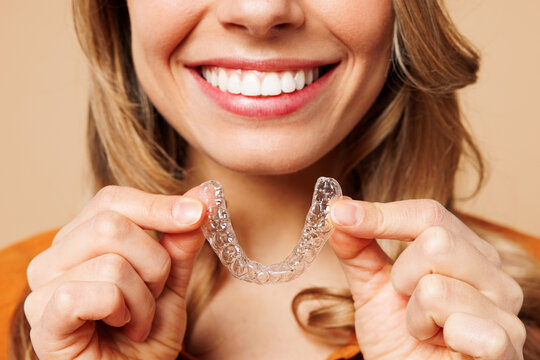
Clear aligners are an excellent choice for those seeking to straighten their teeth discreetly. To achieve fast results (as well as improve oral health), patients need to adhere to an appropriate diet while wearing the aligners and practice good hygiene before, during, and after use. Patients using clear or invisible aligners should understand that the foods and drinks they choose can greatly affect their oral health. Here is an overview of the best foods to consume and avoid while undergoing aligner therapy, along with useful tips for eating food with these types of aligners in place.
Why Diet Matters with Clear Aligners
Clear aligners work by gradually moving your teeth into their proper position. Each tray is designed to apply gentle pressure, and consistent wear is essential for progress. Eating the wrong foods or consuming meals with aligners in can damage trays, stain teeth, and even slow treatment.
Maintaining healthy aligners ensures:
- Clear trays stay clean and transparent
- Teeth and gums remain healthy
- Progress is consistent without delays
- Bad breath is minimised
Foods to Eat with Aligners
Although most people remove aligners while eating, certain soft and non-staining foods are safer if needed for quick snacks or emergencies. Consider the following:
- Soft Fruits and Vegetables: Soft fruits such as bananas, berries, and peeled apples are less likely to damage aligners. Cooked vegetables like carrots, zucchini, and spinach are also safe options.
- Dairy Products: Cheese, yoghurt, and milk can be consumed without concern for tray damage. These foods also provide calcium, which strengthens teeth.
- Soft Proteins: Eggs, tofu, fish, and tender poultry are excellent choices. Avoid chewy meats unless the aligners are removed.
- Whole Grains: Soft-cooked rice, oatmeal, and whole-grain pasta are easy on teeth and aligners.
What Foods To Avoid With Aligners
Even brief exposure to certain foods can compromise aligners. Avoid:
- Sticky or Chewy Foods: Caramel, taffy, gummy candies, and chewing gum can stick to trays and pull them off.
- Hard Foods: Nuts, raw carrots, and hard candies can crack or warp trays.
Sugary Beverages: Sodas, sports drinks, and sweetened coffee or tea can cause plaque buildup if aligners are worn during consumption. - Colored Foods: Beets, curry, and berries can stain clear aligners.
Can I Eat with Aligners?
The short answer is generally no. Clear aligners should be removed for meals and snacks to protect both your teeth and trays. Eating with aligners in increases the risk of:
- Tooth decay
- Staining trays
- Warping or breaking the aligner
However, if you need a quick snack, opt for soft, non-staining foods and rinse your mouth afterwards.
Can You Eat Soft Food with Aligners?
Some people wonder if soft foods are safe to eat with aligners. While soft foods are less likely to damage trays, it is still recommended to remove them. Foods like yogurt, bananas, and oatmeal may not immediately harm aligners, but sugary residues can still get trapped between the tray and teeth, creating an environment for bacteria.
How to Eat Properly with Aligners
Eating with aligners requires careful planning:
- Remove Aligners Before Meals: Always take your clear aligners out before eating or drinking anything other than water.
- Brush or Rinse Before Re-Inserting: After eating, brush your teeth or at least rinse with water to remove food particles. This prevents stains and cavities under the aligner.
- Keep a Travel Kit: When on the go, keep a small toothbrush and toothpaste or floss handy. This helps maintain oral hygiene when eating away from home.
- Stay Hydrated: Water is safe to drink with aligners in. Staying hydrated helps flush out food particles and reduces dry mouth, which can lead to bad breath.
Tips for Maintaining a Healthy Aligners Diet
- Avoid Sugary Drinks: Drink water or unsweetened beverages to reduce the risk of cavities.
- Use a Straw: If you drink beverages other than water, use a straw to minimize contact with teeth.
- Clean Trays Daily: Brush your aligners gently with a soft toothbrush and rinse with water. Avoid toothpaste that can scratch trays.
- Monitor Your Diet: Eating nutrient-rich foods promotes oral health and supports the movement of teeth during treatment.
Wrap Up
A proper aligners diet is essential for achieving faster, more effective results with clear or invisible aligners. Remove your trays during meals, choose soft, non-staining foods, and maintain consistent oral hygiene. Avoid sticky, hard, sugary, or colored foods that can damage trays or slow your progress. By following these guidelines, you can enjoy a smoother treatment journey while keeping your teeth healthy, your aligners clear, and your smile on track.
FAQs
Q: What foods should you avoid with clear aligners?
A: Avoid sticky, hard, sugary, or heavily colored foods to prevent tray damage and staining.
Q: Why do people lose weight on aligners?
A: Some individuals naturally reduce snacking and caloric intake because aligners make eating inconvenient. This can lead to weight loss, but it is a side effect, not a goal.
Q: My dentist told me to eat with aligners. Is that safe?
A: Only soft, non-staining foods in limited quantities are safe. It is generally better to remove aligners for meals.
Q: How long to wait to brush teeth after eating with aligners?
A: Brush or rinse immediately after eating, ideally within five minutes, before reinserting trays to prevent decay.
Q: What can you eat with aligner trays in?
A: Only water is safe. In emergencies, very soft, non-staining
Orthodontics After 30: Why It’s Not Too Late to Straighten Your Smile