I know how exhausting it feels when your jaw aches, clicks, or suddenly locks. The good news is that most adults improve with simple steps you can start today. Around 40% of cases settle on their own, and up to 90% get relief with conservative care in major reviews.
Jaw symptoms are common, affecting 60 to 70% of people at some point. Yet only about 5 to 12% of adults actually need treatment. Women are at least four times more likely to be affected, especially between ages 20 and 40.
First things first, very few people need surgery or imaging. Clinicians diagnose your jaw through your history and examination, not routine scans. Imaging is reserved for trauma, unclear findings, or surgical planning.
Emergency note for Australians: Jaw discomfort with chest pain can signal a heart problem. If symptoms are severe, worsening, or lasting more than 10 minutes, call triple zero 000 immediately.
What Is Actually Going On Inside Your Jaw
Temporomandibular disorders, or jaw joint problems, involve your chewing muscles, the joints, or both. Muscle pain feels like a dull ache around your cheeks, temples, or just in front of your ear. Joint irritation more often causes clicking, catching, or sharp pain when you open wide or chew.
Common triggers you can change quickly include daytime clenching and stress habits, long screen sessions without breaks, propping your chin on your hand, and chewing tough foods or gum. Reducing load on irritated tissues is usually the fastest way to calm symptoms in the first week.
Quick Self Check: Rule Outs You Should Not Ignore
Certain jaw symptoms signal urgent problems that need medical care, not home treatment. Knowing when to act fast can protect your health and, in rare cases, save your life.
What to Do Next if a Red Flag Fits:
- Chest pain, pressure, or breathlessness: Call 000 and rest while waiting for paramedics.
- Facial swelling with fever: Call your dentist for emergency care or attend ED if after hours.
- Recent trauma with jaw locking: Go to the ED or a hospital dental unit.
- Over 50 with new headache and chewing pain: Arrange same day GP or ED assessment.
Your 7 Day Plan to Settle Symptoms

Each day uses short blocks under 10 minutes that fit into busy routines, and you will follow a simple pain rule. Mild discomfort up to 3 out of 10 is fine during exercises. Stop if pain spikes or lingers afterwards.
Day 1 Reset Load: Switch to a soft diet and cut food into small. Stop gum chewing and nail biting. Apply heat for 10 to 15 minutes two or three times daily, and start a trigger log on your phone.
Day 2 Posture and Micro Breaks: Set a 45 to 60 minute timer to reset posture. Do chin nods and shoulder rolls, then relax your jaw. Use the rest position: lips together, teeth apart, tongue lightly on the palate.
Day 3 Gentle Mobility: Practice controlled opening with your tongue on the palate. Do 6 slow reps, 6 times daily. Add small side to side jaw glides without pain.
Day 4 Habit Change: Use the cue “sigh and unclench” during emails, driving, and stressful moments. Set a caffeine cut off in early afternoon to support sleep.
Day 5 Sleep and Protection: Build a wind down routine and avoid stomach sleeping. If you grind, consider a custom dental splint. Over the counter devices need caution due to fit issues.
Day 6 Progress Check: If pain is down by 30% or more, continue the plan. If not improving, arrange a review with your GP or dentist within two weeks.
Day 7 Return to Normal Gradually: Reintroduce chewier foods slowly. Keep your flare up plan saved so you can restart heat and exercises if symptoms return.
Before you book a Thai massage in Bathurst for clicking or stiffness, take two minutes to read Bangalow Headache Clinic’s clear guide to jaw clicking so you can tell when a click is harmless and when targeted therapy helps.
What Actually Helps Long Term
Self care and exercises form the foundation for lasting relief for most adults. Manual therapy and physiotherapy can reduce pain, particularly when muscle tension is the main issue. Brief stress strategies, such as slow breathing, help reduce clenching and pain amplification.
Quick Comparisons You Can Act On:
- Self care and exercises: High benefit, low risk. Expect 2 to 6 weeks of consistent practice.
- Physiotherapy: Useful for muscle pain, typically 3 to 6 sessions.
- Dentist-made splints: Helpful for bruxism and tooth wear.
- Stress and sleep support: Free and helps break clenching cycles.
Hands-On Care Options Explained
A short course of hands on care can speed progress when combined with your home program. A typical session includes education on habits, gentle joint techniques, and incremental exercises to restore opening and control. Most adults need 3 to 6 sessions over 4 to 8 weeks with daily home practice.
Manual therapy can relieve myofascial pain and may ease ear symptoms when combined with exercises. Choose clinicians who assess both neck and jaw, teach self management, and review progress every 2 to 3 weeks. Most clicking is benign, but stiffness and soreness respond best to a mix of self care and hands on treatment.
Exercises are foundational, but some people need guided care. If your clicks or stiffness persist after trying the plan above, book evidence based treatment for jaw clicking with Freeform Health. You will get a tailored plan, clear home practice, and regular progress reviews.
Who to See and When
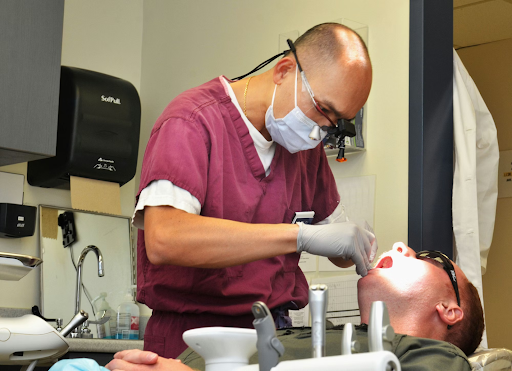
Different jaw issues suit different clinicians, and you rarely need a specialist straight away. Your GP is a practical first stop if you are unsure, for medication advice, and for referrals. Bring your symptom log.
Your dentist can assess for bruxism and tooth wear and fit a custom splint when indicated. A physiotherapist assesses jaw movement, neck involvement, and habits. An oral surgeon is reserved for severe locking, trauma, or stubborn cases that do not respond to good conservative care.
Understanding your options helps you make informed decisions about your care pathway. Many people benefit from starting with conservative approaches before considering more intensive interventions. The key is finding a practitioner who listens to your concerns and creates a personalised plan.
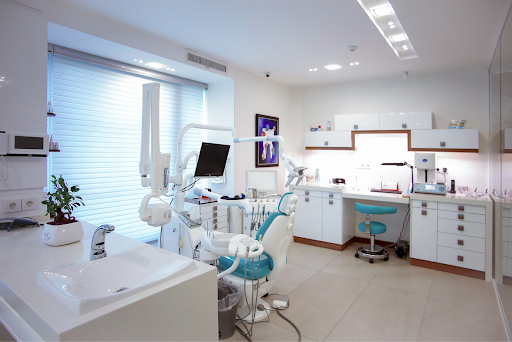
If you are on Brisbane’s southside, an mt gravatt dentist at HD Dental can assess bite forces and fit a custom splint when bruxism is driving your symptoms, then plan review visits to fine tune comfort and protection.
Conclusion
Most adults improve with a softer diet, habit changes, short daily exercises, better sleep, and a brief period of guided care if needed. Act quickly on red flags and keep your flare up plan handy. Track your triggers, stay consistent, and get help sooner if your symptoms are not turning around.
FAQs
Is Clicking a Problem if It Does Not Hurt? Usually not. Painless clicking is common in healthy adults. Monitor for pain, locking, or chewing limits and seek assessment if those appear.
Can This Improve Without a Splint? Yes. Many adults improve with self care, exercises, and habit changes alone. Splints are most useful when bruxism or morning pain is obvious.
How Long Before I Feel Better? Many people notice improvement within 1 to 2 weeks. More stubborn cases may take 4 to 8 weeks. If progress is minimal, reassess and consider professional input.
Could Ear Pain Be Related to the Jaw? Yes. Shared nerves can make ear fullness a jaw related symptom. Rule out infection with your GP if symptoms persist.
How Stress and Overnight Clenching Will Quietly Damage More Teeth in 2026