
By the final weeks of the summer holidays, the entertainment budget can feel stretched. The good news is that a worthwhile day does not need a ticketed attraction, a shopping trip and lunch out.
For families in Sydney’s Eastern Suburbs, a small plan close to home can be enough: somewhere to explore, food packed from the kitchen and time to play. These free and low-cost school holiday activities are designed to mix and match around the weather, your children’s ages and the money you want to spend.
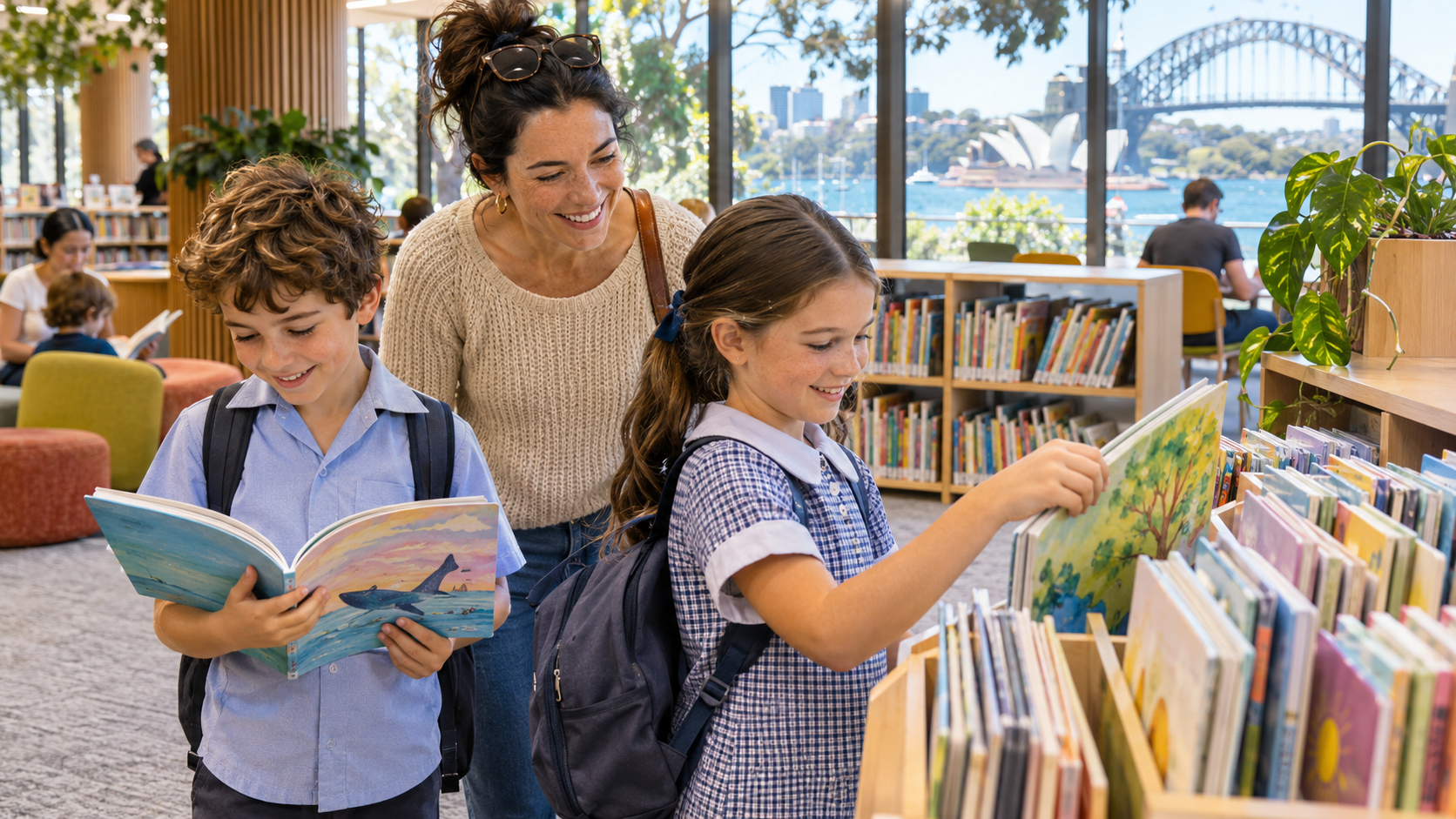
1. Make the local library your first stop
Borrowing a new stack of books gives children something to do both on the outing and later at home. Set a challenge to find a joke book, a nature book or a story chosen for a sibling.
Libraries may also offer holiday workshops, but check the current calendar for age limits, prices and bookings. Do not assume regular term-time sessions run through January. Our guide to Eastgardens Library is a useful place to start.
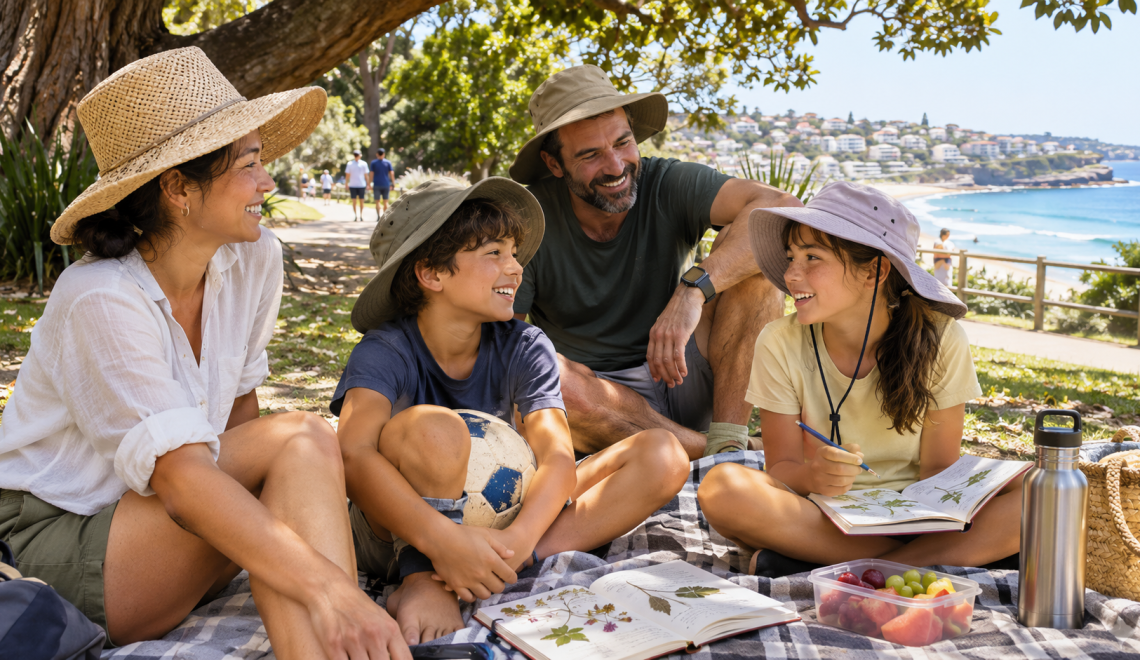
2. Turn a familiar park into a mini adventure
Take a ball, a picnic and a notebook to a local park. Children can look for different leaf shapes, sketch a tree or count how many kinds of birds they spot. Observe wildlife without feeding or disturbing it, and leave natural objects where you find them.
You do not need to cover a large area. Set a small challenge, have a snack and allow some unstructured play. For picnic inspiration, browse our Sydney east and city picnic guide.
3. Choose free general admission at the Australian Museum
The Australian Museum offers free general entry, making it an option for a day that is too wet or hot for a park. Special exhibitions and some experiences can cost extra, so confirm what is included before you go.
Keep the visit manageable by letting each child choose one thing to explore. Factor transport and any food purchases into your budget; free entry does not automatically mean a free day.
4. Swap toys, books or board games
Arrange a small swap with a family you know. Each household can bring a few clean, complete items that are no longer favourites. Agree beforehand whether it is a temporary loan or a permanent exchange, and check toys are suitable for the children’s ages.
A borrowed puzzle or board game can feel fresh without adding another permanent purchase to the cupboard.
5. Try a short coastal outing without the café bill
Pack breakfast or a picnic and choose a short walk that suits your children and the weather. Turn around before everyone is tired, especially if you need to retrace your route. Bring hats, water and sun protection, and keep children well away from cliffs, rock ledges and unfenced water.
A beach visit can be a sandcastle outing rather than a swim. If you do swim, follow current closures and lifeguard directions and keep young children within arm’s reach.
6. Host an at-home creative morning
Set out paper, pencils and clean recycling for a drawing or building challenge. Make a pretend shop, write postcards or create a family quiz. Give older children a chance to design the activity for younger siblings, with adult help where needed.
Keep the materials simple. The activity does not become better because you bought a new craft kit.
7. Cook once and enjoy it twice
Let children help assemble lunch and save an appropriately stored portion for another meal. Wraps, simple sandwiches and homemade pizza can turn everyday food preparation into part of the day’s entertainment. Adults should handle heat and sharp tools.
Check the real cost before committing
Compare the whole outing: entry, transport, parking, food and extras. Look for current council holiday programs, confirm any booking requirements and keep a free backup plan. A library visit, picnic and afternoon at home can be a complete holiday day without needing to add anything else.
More summer holiday guides
Our summer family series is publishing from 16–21 January 2027. Links become available as each article is published.
- Rainy Day Activities for Kids During the Summer Holidays — 16 January
- How to Keep Babies and Toddlers Cool During Summer — 17 January
- Best Family-Friendly Beaches in Sydney’s Eastern Suburbs — 18 January
- What to Pack for a Family Beach Day With Babies and Toddlers — 19 January
- Healthy and Easy School Lunchbox Ideas for Busy Parents — 20 January


