If you have a family dog who loves investigating everything they find on a walk, there’s an important reason to keep them a little closer at the moment.
With H5N1 bird flu detected in birds in Australia, Randwick City Council is encouraging dog owners to take extra precautions when out walking — particularly by keeping dogs on a short lead around birds and wildlife.
For families across Sydney’s Eastern Suburbs, it’s a timely reminder. Our beaches, coastal walks, parks and reserves are home to plenty of birdlife, and an inquisitive dog can reach a sick or dead bird remarkably quickly.
Here’s what dog owners need to know.
Why Could H5N1 Be a Risk to Dogs?
H5N1 is a form of highly pathogenic avian influenza, commonly referred to as bird flu.
While it primarily affects birds, cross-species infections can occur.
According to information published by Randwick City Council on 1 September 2026, dogs could potentially be exposed if they bite or eat an infected bird.
The virus can also be present in infected birds’ droppings and saliva, which means avoiding direct contact with sick or dead wildlife is important.
The advice isn’t a reason to stop taking your dog for their usual walk. Instead, it’s about being more aware of what they’re investigating while you’re out.
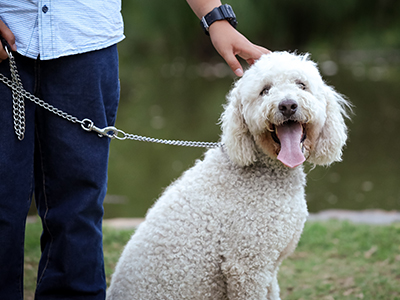
Keep Your Dog on a Short Lead
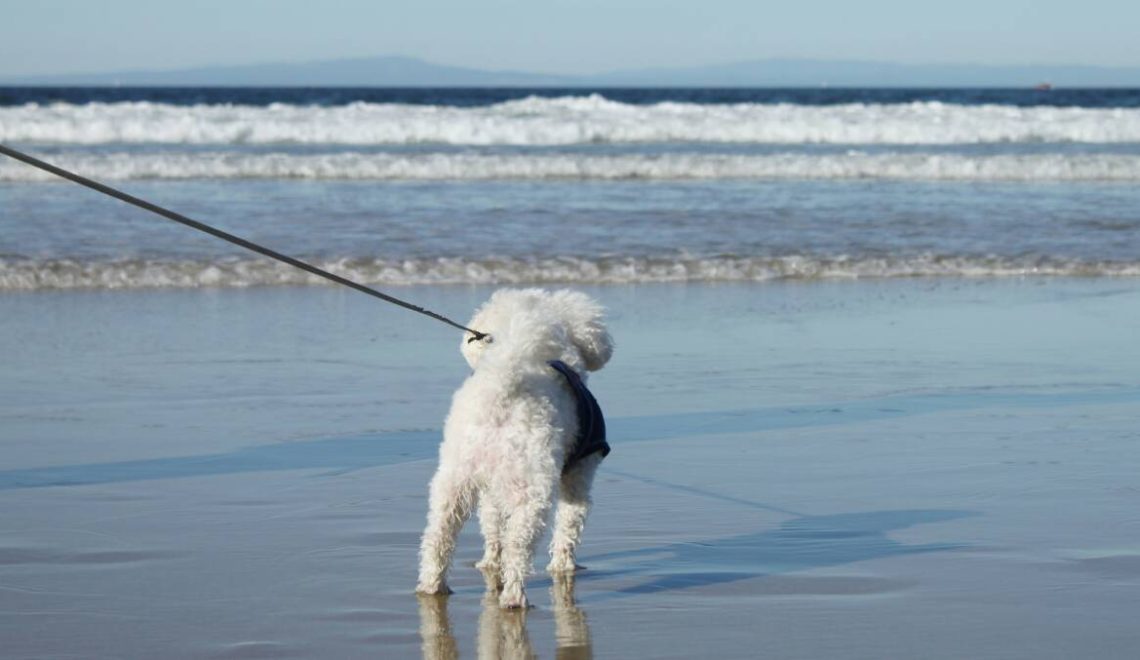
One of the simplest precautions is also one of the most effective: keep your dog close enough that you can quickly stop them from approaching a bird or carcass.
Anyone with a dog that loves sniffing, chasing or picking things up knows how quickly they can discover something before you’ve even noticed it.
A shorter lead gives you more control and time to react.
This may be particularly useful when walking through areas where there are lots of birds, including:
- Beaches and coastal areas
- Parks and reserves
- Wetlands and ponds
- Areas around lakes and waterways
- Bushland and wildlife habitats
- Places where birds regularly congregate or feed
If you see a sick or dead bird ahead, don’t allow your dog to investigate it.
Don’t Let Dogs Pick Up or Eat Dead Birds
Dogs explore the world with their noses and mouths, and unfortunately, something we find unpleasant can be extremely interesting to them.
Don’t allow your dog to bite, carry, lick or eat a dead or visibly sick bird.
You should also try to prevent your dog from investigating areas contaminated with bird droppings or other material from a sick animal.
This is especially worth remembering with puppies and dogs that have a habit of picking things up during walks.
What Should You Do If You Find a Sick or Dead Bird?
If you come across a sick or dead wild bird, domestic bird, marine mammal or other wildlife showing possible signs of H5 bird flu, don’t touch it or allow your children or pets to approach it.
Instead:
Keep your distance. Avoid contact with the animal and its immediate environment.
Keep pets and children away. Move your dog away on their lead rather than allowing them to sniff or investigate.
Record what you see. If you can safely do so without getting closer, take a photo or video and make a note of the exact location.
Report it. Reports can be made through the NSW Government’s online reporting system or by calling the Emergency Animal Disease Hotline on 1800 675 888.
Don’t attempt to pick up or dispose of the animal yourself.
What If Your Dog Has Already Come Into Contact With a Bird?
If you discover that your dog has bitten, eaten or had significant contact with a sick or dead bird, don’t panic.
Move your dog away from the area and contact your veterinarian for advice, explaining what happened and that there may have been contact with a sick or dead bird.
Avoid unnecessarily handling the bird or contaminated material yourself.
A Short Lead Helps Protect Our Native Wildlife Too
There’s another good reason to keep dogs under close control around wildlife.
Keeping dogs away from birds and other animals helps protect native wildlife from being chased, injured or disturbed.
This is particularly important around coastal and nesting areas, where birds may be resting, feeding or raising their young.
So while the current H5N1 situation gives dog owners another reason to be cautious, keeping dogs close around wildlife is a good habit at any time of year.
You Can Still Enjoy Your Daily Dog Walk
For most families, there’s no need for the dog’s favourite walk to disappear from the daily routine.
The message is simply to be a little more vigilant.
Keep your dog close when you’re around birdlife, don’t allow them to investigate sick or dead animals, keep children away from wildlife that appears unwell, and report anything unusual.
For dogs who consider absolutely everything they find on the ground worth investigating, a shorter lead could make all the difference in stopping them before they get there.
H5N1 Bird Flu: Quick Checklist for Dog Owners
- Keep your dog on a short lead around birds and wildlife.
- Don’t allow dogs to bite, eat, lick or carry dead or sick birds.
- Keep dogs away from bird carcasses and contaminated areas.
- Don’t touch sick or dead wildlife yourself.
- Keep children away as well.
- Take a photo and record the location from a safe distance if appropriate.
- Report suspected cases to the NSW authorities.
- Call the Emergency Animal Disease Hotline: 1800 675 888.
- Contact your veterinarian for advice if your dog has had significant contact with a sick or dead bird.
For the latest official information and advice about avian influenza, visit the NSW Government Department of Primary Industries and Regional Development website.