
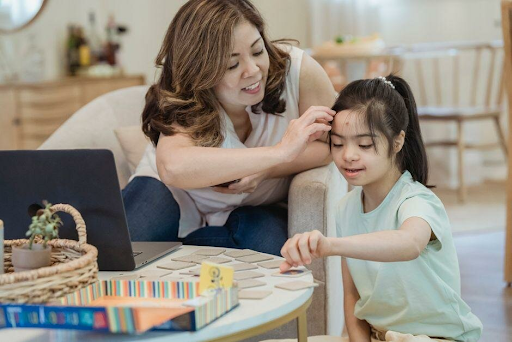
Sydney ranks among the most linguistically rich cities on the planet. Hundreds of thousands of households speak Mandarin, Arabic, Vietnamese, Greek, or one of dozens of other languages around the dinner table each evening. For children growing up in these families, two (or more) languages shape their world from day one.
That multilingual reality brings genuine advantages: sharper cognitive flexibility, stronger problem-solving skills, and a deeper connection to cultural roots. Yet many parents quietly wonder whether their child’s English is keeping pace with monolingual classmates. The tension between nurturing a heritage language and building rock-solid English proficiency feels familiar to multicultural families across the city.
Striking that balance doesn’t require choosing one language over the other. From everyday home techniques to personalised professional support, practical strategies exist to help bilingual children flourish in both languages without losing either.
Why Do Bilingual Children in Sydney Need Extra English Support?
Bilingual children sometimes display a smaller English vocabulary in their early years compared to monolingual peers, but targeted input almost always closes that gap. The difference reflects divided exposure time, not limited ability. Once children receive consistent, quality English interaction, their receptive and expressive skills catch up quickly.
Australia’s school system operates overwhelmingly in English. Academic success, from comprehension tasks in Year 1 to HSC essays in Year 12, depends on strong English literacy. That said, heritage language use at home doesn’t slow English progress. Researchers at Western Sydney University and elsewhere have demonstrated that children who maintain their heritage language actually strengthen their English reading and writing over time.
Sydney’s multilingual streets, playgrounds, and classrooms expose children to a rich language environment every day. You can learn english with Superprof tutor to complement that natural exposure with structured, one-on-one support tailored to a bilingual child’s specific needs. The key lies in being intentional: letting heritage language thrive at home while actively building English through quality input and engagement.
Proven Strategies to Support English Development at Home
Families don’t need expensive programs to boost their child’s English. A few deliberate daily habits, layered on top of heritage language routines, make a measurable difference.
The One Parent, One Language (OPOL) method and its variations
OPOL assigns each parent a single language. One parent speaks only English; the other speaks only the heritage language. Children learn to associate each language with a specific person, which reduces code-mixing in early years and builds clear language boundaries.
A popular alternative swaps people for places: heritage language at home, English everywhere else. This “one environment, one language” model works well for families where both parents share the same heritage language. Whichever approach you choose, stay flexible. Rigid enforcement can backfire with older children, triggering frustration or outright resistance. Adapt the rules as your child grows.
Daily English enrichment activities for bilingual kids
- Read English books together every night. Picture books for toddlers, chapter books for primary schoolers, young adult fiction for teenagers. Storytime builds vocabulary faster than almost any other activity.
- Choose English audiobooks and podcasts designed for children. Let your child listen during car rides or quiet time.
- Organise English-language playdates with classmates or neighbours. Peer interaction reinforces natural speech patterns.
- Play word-building games like Scrabble Junior, Boggle, or storytelling dice.
The golden rule? Make English enjoyable. The moment a child associates English with pressure or punishment, language resistance kicks in.
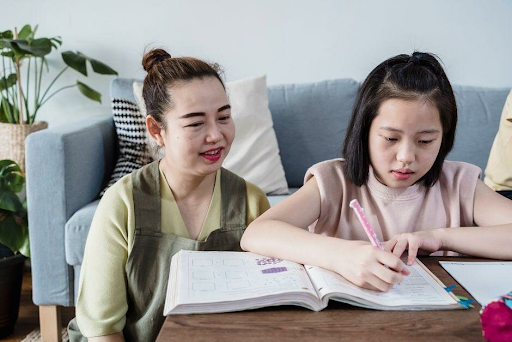
How Can a Superprof Tutor Help Your Child Learn English More Effectively?
Superprof operates as a global tutoring marketplace connecting students with over 20 million tutors across more than 1,000 subjects in 40+ countries. In Sydney, families access qualified English tutors for both online and face-to-face sessions.
Every tutor on the platform sets their own rates, schedules, and teaching methods. That flexibility lets parents find someone who matches their child’s personality, learning style, and specific gaps. A bilingual child who reads well but struggles with English grammar, for example, benefits from a tutor who focuses precisely on that weakness rather than following a generic curriculum.
One-on-one tutoring offers something classroom teaching simply can’t: undivided attention on the child’s exact needs. A tutor can slow down on tricky pronunciation, expand vocabulary in areas the child finds exciting, and build confidence through encouragement. Most Superprof tutors offer the first lesson free, so families can trial a session before making any commitment.
What to Look for When Choosing an English Tutor for a Bilingual Child
Not every English tutor understands bilingual language development. Prioritise candidates with ESL experience or a background working with multilingual learners. They’ll recognise that code-switching between languages is normal, not a problem.
| Criteria | What to look for |
| Qualifications | TEFL, TESOL, CELTA, or a degree in English/Education |
| Experience | Previous work with bilingual or ESL students |
| Cultural sensitivity | Respect for the child’s heritage language and background |
| Availability | Sessions that fit around school hours and family routines |
| Format | Online, in-person, or a mix of both |
Cultural sensitivity matters more than many parents realise. A tutor who dismisses or devalues the heritage language can damage a child’s relationship with both languages. Look for someone who celebrates bilingualism as a strength.
On Superprof, detailed tutor profiles, verified reviews from other families, and the free first lesson feature make vetting straightforward. Read reviews carefully. Parents of bilingual children often mention how a tutor handled language-specific challenges.
Sydney Resources Beyond the Home: Schools, Community Programs, and Language Groups
Sydney offers a wealth of community support for bilingual families. Community language schools run weekend and after-school programs in dozens of heritage languages, keeping those skills sharp while children immerse in English during the week.
Local libraries, particularly branches in Bankstown, Burwood, and Parramatta, host bilingual storytime sessions and multilingual playgroups for toddlers. These gatherings let children socialise in English while hearing other languages around them, mirroring the city’s natural diversity. Cultural centres like the Chinese Cultural Centre and the Greek Community of NSW also organise language activities for young people.
Grandparents and extended family play an underrated role. When grandparents speak only the heritage language, children get rich, authentic input that no app can replicate. That frees parents to focus on English enrichment elsewhere. Harmony Week events each March provide immersive cultural and linguistic experiences across Sydney. Bilingual intergenerational programs, where older community members mentor young learners, are also gaining traction across Australian cities in 2026.

Common Mistakes Parents Make When Supporting Bilingual English Development
Overcorrecting a child’s grammar mid-conversation shuts down communication fast. Children stop trying when every sentence gets interrupted. Gentle modelling (“Oh, you mean you *went* to the park?”) works far better than direct correction.
Abandoning the heritage language entirely to “focus on English” ranks among the most counterproductive decisions a parent can make. Research consistently links strong heritage language skills with better English literacy outcomes. Dropping one language doesn’t accelerate the other; it weakens the foundation both languages share.
Unrealistic expectations create unnecessary stress. Children in Australia will naturally develop English as their dominant language. Demanding perfect bilingual balance at age five ignores how language development actually works. Perfection across both languages takes years, not months.
Ignoring early warning signs causes bigger problems later. If your child consistently struggles with English comprehension or avoids English interaction, seek professional support early. A tutor or speech pathologist can intervene before small gaps become entrenched. And finally, switching language strategies every few weeks confuses children. Pick an approach, give it time, and adjust gradually.
Age-by-age guide: adapting your English support strategy as your child grows
Toddlers and preschoolers (0–5 years)
Young children absorb languages like sponges. At this stage, focus on exposure and play-based learning in both languages. Sing English nursery rhymes, narrate daily routines in English, and let your child hear varied voices through playgroups and storytime sessions at Sydney libraries. Don’t stress about mixing languages. It’s completely normal and actually signals healthy bilingual development.
Primary school age (6–12 years)
School immersion rapidly strengthens English. Your job shifts toward maintaining the heritage language while monitoring English reading and writing progress. This stage represents the ideal window to bring in a Superprof tutor to fill vocabulary or literacy gaps before they widen.
Encourage daily English reading beyond school homework. Creative writing, even short journal entries, builds fluency and confidence. Watch for any reluctance to read in English, which sometimes signals an undiagnosed comprehension issue worth investigating.
Teenagers (13+ years)
Peer influence cements English dominance by the teenage years. Heritage language maintenance now demands more deliberate effort: weekend language schools, regular conversation with relatives overseas, or heritage-language media.
Academic English tutoring becomes especially valuable for HSC preparation. Formal essay writing, analytical responses, and sophisticated vocabulary require structured practice. Language apps like Duolingo or Anki can supplement formal tutoring, but they work best alongside human instruction rather than replacing it.
FAQ
Will speaking a heritage language at home delay my child’s English development?
No. Research consistently shows that maintaining a heritage language at home does not negatively affect English acquisition. Bilingual children who continue using their heritage language often perform better when learning English at school, because strong first-language skills support second-language literacy.
How much does an English tutor on Superprof cost in Sydney?
Rates vary because Superprof tutors set their own prices. In Sydney, English tutoring typically ranges from $30 to $80 per hour depending on qualifications and experience. Many tutors offer the first lesson free, which lets families trial a session with zero financial risk.
At what age should I consider getting an English tutor for my bilingual child?
No strict age requirement exists. Many parents start tutoring support around primary school age (6–7 years) when formal literacy expectations increase. Older children and teenagers also benefit significantly, particularly for academic English and exam preparation like the HSC.
Ever wondered if your child needs tutoring? Top 5 factors to think about


