
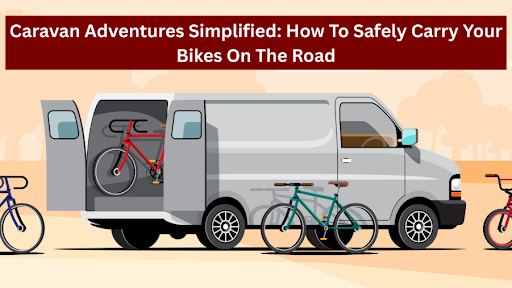
Not many pleasures beat going on a road adventure in your caravan. Whether you’re taking a road trip solo for some “me time” or traveling with friends and family, certain gadgets or accessories are a must-have. For cycling or hiking enthusiasts, it is the bike.
Thankfully, bike racks or carriers help you transport your bikes safely with your caravan. However, bikes are some of the trickiest items to carry on a caravan due to weight distribution and size challenges.
When carrying bikes on or in your caravan, you want to make sure the racks are compatible with the vehicle’s rear, top, or interior build. You must also be able to access gas bottles, storage, and the front boot with ease while respecting the load limits.
This guide discusses how to safely carry your bikes with insights on the ideal weight limits, weight distribution, and choosing the most suitable carriers for your caravan model.
- Learn Weight Limits for Your Caravan and Bike Rack
Load-mounting accessories have weight limits for what they can carry. For instance, bike racks have specific minimum loaded capacity measurements as well as caravan mountain edges. So, check all the weight specifications before loading your caravan.
When buying bike racks for caravans, choose options that can bear the weight of your bikes with ease. Weighing your bikes before shopping makes it easy to spot the right ones. On the other hand, select or buy bikes within the weight limits of your racks. This will save you a lot of trouble when making travel arrangements.
How you arrange your load on a caravan can significantly affect weight distribution. For example, suppose most of the load rests on the left side of the vehicle. In that case, it may cause it to significantly tilt in that area when taking sharp turns. Likewise, too much load concentration at the back may cause dragging and pulling, which leads to excessive burning of fuel.
- Find the Best Fit for Your Caravan
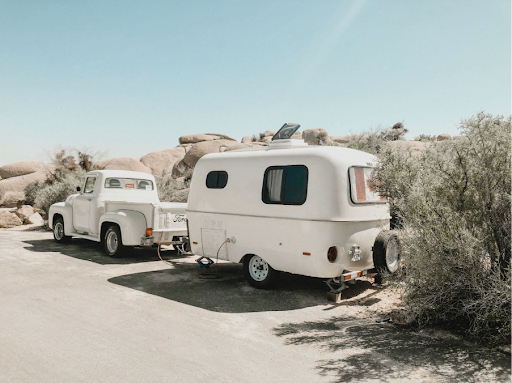
Rear-mounted Racks
These carriers allow you to load bikes on the vehicle’s side or wall. They are designed to fit caravan structures and are suitable for those with reinforced mounting units. You will also discover that they are easy to access and stable when driving. However, the wall strength limitations on these carriers might mean that they only suit certain caravans.
Drawbar
The drawbar or A-frame carrier ticks the boxes for convenience and functionality. This carrier allows you to fit bikes between the caravan and the tow vehicle. That way, they don’t pull on the vehicle walls or edges. Although they encourage optimal weight distribution, drawbars may limit access to some key vehicle compartments.
Tow-bar
If you want to keep your bikes at the back of your caravan, a tow-bar rack is your ideal choice. It is easy to assemble and remove. Tow-bars are also sturdy, but only suit structurally-reinforced caravans.
Roof-mounted Bike Carriers
These carriers are installed on the roof of the caravan, similar to conventional roof racks. This might be the perfect option if you prioritise keeping your bikes out of the way throughout your journey. However, loading or accessing the bikes on the roof can be difficult and sometimes dangerous. Perhaps this is why they are the least common bike carriers.
- Ensure Proper Weight Distribution
Loading the roof and sides of the caravan will impact your driving as additional exterior weight affects the vehicle’s movement, stability, and safety. As you glide through the freeway, the vehicle becomes more susceptible to aerodynamic drag.
When the wind blows on the caravan from various directions, it pushes and pulls the vehicle in different directions. Over time, the vehicle struggles to maintain balance and consumes more fuel than usual. To ensure your safety and the security of your bikes, distribute the load weights evenly on your caravan before hitting the road.
- Secure the Bikes
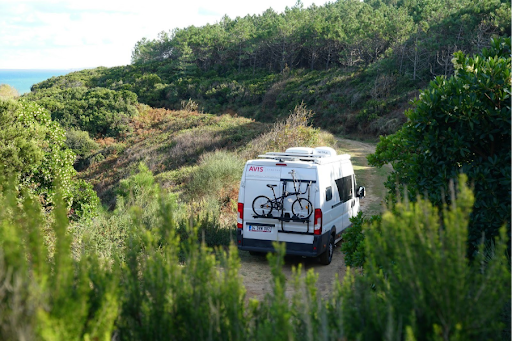
Ensure the Straps Work Perfectly
Securing your bikes for the road trip doesn’t end with mounting them on the rack; they must be properly strapped. Straps hold the load close to the vehicle, keeping it secure from falling or theft. However, they can only guarantee security if they are in good condition. So, inspect the straps before your travel date to be sure they work perfectly.
Firmly Secure the Bikes
Once you are sure that the mount straps are in good condition, mount your bikes and secure them firmly. When you tightly secure a bike on the caravan, you leave little to no extra space between the vehicle and the object. That way, galloping or climbing hurdles on bumpy roads don’t cause the bikes to hit the caravan with brute force. You may prevent heavy dents and possible window breaks with this simple practice.
- Ensure No Blockage of Vehicle Essentials
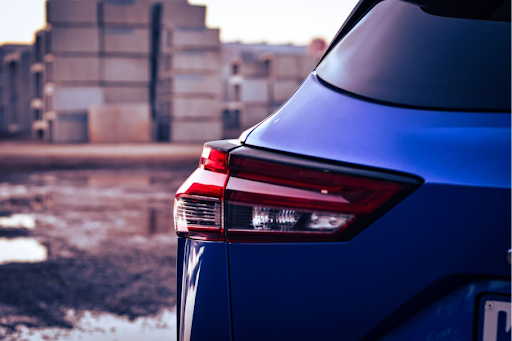
Keep Bike Parts Away from Mirrors and Tail Lights
Your tail lights and mirrors are crucial parts that encourage safety and responsible driving. Blocking them could make driving difficult, causing you to break traffic rules or endanger other drivers. While you mount your bikes on the roof, side, or back of the caravan, ensure your mirrors are not obstructed.
Unblock Sensors and Camera
From parking to maintaining a reasonable distance between other vehicles, modern vehicles rely on sensors to spot and avert danger. While you may not be able to avoid blocking every external part of the vehicle, watch out for the sensors and cameras. Make sure you remove any obstruction to these key areas when loading up. Unblocking the rear camera helps you reverse with ease and maintain traffic laws.
- Schedule Stops and Checks
Schedule Stop Times
When carrying bikes on your vehicle, you want to be sure they are intact throughout the ride. So, determine to stop at strategic points to check your load. It can save you time and help you reach your destination at the appointed time.
Pausing mid-journey will also easily allow you to find missing travel items or bikes that may have fallen off. Consider taking one or two stops for short-distance travels, while pausing every two hours may be necessary for a 6-hour-plus ride.
Ensure Correct Positioning
It is normal for your bikes to move out of position after hours of driving through speed bumps and changing gears. When this happens, they may take up more space on the caravan and block tail lights or mirrors. Stopping occasionally will allow you to return them to their normal position and comply with traffic laws.
Conclusion
Carrying your bike safely with your caravan doesn’t have to keep you up at night. Learning the weight limits of the caravan and carriers sets the tone for a smooth adventure. This knowledge enables you to choose the best location and carrier for your items.
Also, remember to stop at strategic locations to check your bikes and secure them firmly to avoid loss or theft. Ensure there are no blockages to rear or side mirrors and tail lamps for optimal security and compliance with traffic regulations.
As long as you get the right bike carrier from a reputable source online, you won’t have much to worry about. Enjoy the ride.


