

It’s hard to imagine now, but there was once a time when jumping into the ocean at Bondi Beach during the day could actually get you into trouble with the law.
Long before Sydney became famous for its beach culture, surfing and ocean pools, daylight swimming was banned across much of colonial New South Wales. The rules were introduced in 1833 under the Sydney Police Act, with authorities claiming daytime bathing was offensive to public morality and decency.
That meant no cooling off in the ocean between 7am and 8pm — exactly the hours most people would actually want to swim!
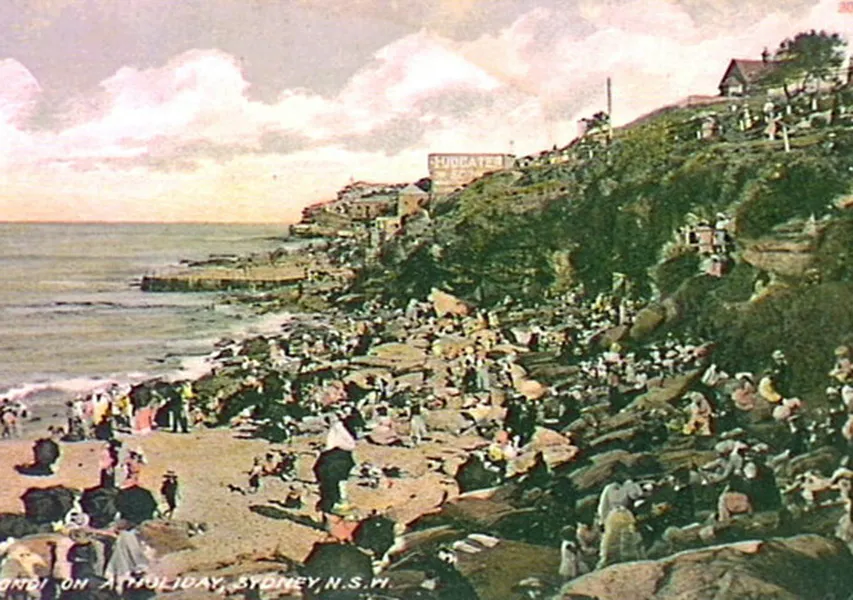
For families living near the coast today, where beach trips are a regular part of summer life, it seems almost unbelievable. But in the 1800s, beaches weren’t viewed as playgrounds or holiday destinations. Swimming was considered something best done quietly, away from public view and under the cover of darkness.
One popular local legend tells the story of Manly newspaper owner William Gocher, who supposedly challenged the laws in 1902 by marching into the water during daylight hours and daring police to arrest him. According to the tale, he repeated the stunt several times before presenting himself at the police station expecting dramatic consequences… only to be met with complete disinterest.
By then, Sydneysiders had largely stopped caring about the outdated laws anyway.
In fact, 1902 turned out to be a turning point for beach culture in Sydney. With the city suffering through a drought, Randwick Council encouraged sea bathing as a way to conserve water. A new by-law boldly declared:
“It shall be lawful for all persons, whether male or female, to bathe in the sea at all times and at all hours of the day.”
A revolutionary idea at the time!
Other councils, including Waverley, quickly followed suit as public demand for beach access continued to grow.
The timing couldn’t have been better for Bondi Beach. Bondi had already been operating as a public beach since 1882, but the lifting of swimming restrictions helped transform it into the iconic destination we know today. The arrival of the Bondi Tram in 1884 also made it easier for visitors to flock to the coast, and by the early 1900s Bondi was rapidly becoming one of Sydney’s favourite seaside attractions.
Today, Bondi Beach is filled with swimmers, surfers, nippers, backpackers, families and tourists from sunrise to sunset — a far cry from the days when a daytime dip was considered scandalous.
Next time the kids are splashing around at Bondi, it’s worth reminding them that more than 100 years ago, they would have had to wait until dark!
For mor interesting history about Bondi visit: www.bondistoryroom.com.au
Images courtesy of the Waverley Library Local Studies Collection.
Experience the Magic of Imagination with IMAGINE LIVE at Bondi Pavilion


