
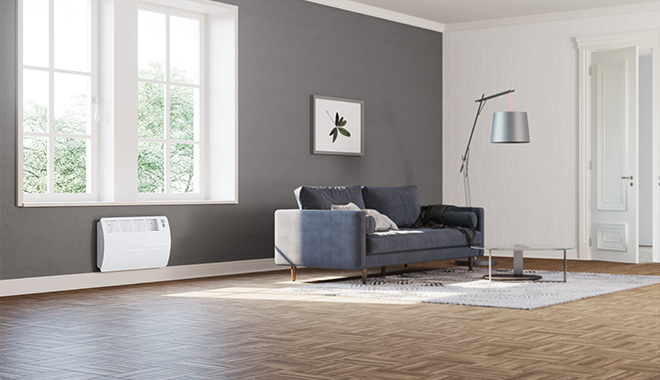
Electric heating can be a practical solution for apartments where installing or upgrading a central system isn’t possible. While homeowners may consider major upgrades like furnace replacement, apartment residents usually need flexible heating options that work within limited space and electrical capacity. In smaller living spaces, electric heaters can provide targeted warmth, quick temperature control, and easy setup without permanent installation. Understanding how to use electric heating effectively can help keep a small apartment comfortable while managing energy use and space limitations.
How to Heat a Small Apartment
The key to small apartment heating efficiently is controlling where the heat goes and how long it runs. Efficient electric heating is less about heater power and more about how heat moves through a compact space and how well the space retains heat once it’s produced.
Instead of trying to keep the entire apartment warm constantly, the most efficient approach is zone heating, warming only the rooms you’re actively using. Start by identifying the main living area and focus most heating there. Bedrooms and secondary rooms can be heated briefly before use rather than all day, which improves efficiency in small apartment heating setups.
A useful variation of this is a heat anchor strategy. Choose one main living area where you spend the most time and keep that space consistently warm while allowing secondary rooms to warm up only when needed.
Electric heaters running on schedules can prevent unnecessary heating when you’re asleep or away, which is why programmable thermostats or smart plugs are often helpful when managing electric heating in small living spaces.
Sealing heat leaks is just as important. Drafts from windows, balcony doors, and hallway doors can waste a surprising amount of heat, and weatherstripping or draft blockers often reduce heating needs more than upgrading the heater itself.
Most apartments lose heat through cold surfaces like windows and exterior walls, as well as through air mixing between rooms.
In small apartments, another overlooked factor is heat layering. Warm air rises and collects near the ceiling, especially in rooms with poor circulation. A small fan running on low speed can redistribute that trapped heat and make the room feel warmer without increasing heater output, which can improve overall small room heating comfort.
Rugs, curtains, and upholstered furniture can also help absorb and hold heat, allowing the room to stay warm longer after the heater cycles off.
The most efficient setups typically combine steady baseline warmth in the main living space, short bursts of heat when entering a room, and simple airflow management to keep temperatures comfortable without running heaters constantly.
Why Electric Heating Works for Small Apartment Heating
Electric heating works particularly well in small apartments because the heat demand is relatively low and small spaces respond quickly to direct heat sources.
Large homes benefit from central heating systems because heat must travel through many rooms. In contrast, a small apartment often has less than 500-800 square feet of heated space, meaning a single heater can noticeably change the room temperature within minutes, making it effective for small apartment heating.
Unlike gas or central HVAC systems, electric heaters don’t require ductwork, gas lines, ventilation systems, or permanent installation. This installation freedom makes them ideal for renters and compact living spaces, since they can be added without modifying the apartment.
Another advantage is precise control. Electric heaters allow you to heat specific rooms individually rather than warming the entire apartment evenly. This creates micro-climate control, where a living room can stay warm while the bedroom remains cooler for sleeping without needing expensive zoning systems.
Electric heating also responds quickly. Most electric heaters reach full output within minutes, so you don’t need to run them continuously to maintain comfort.
For apartments where heating needs are moderate and flexibility matters, electric heating often provides the simplest and most adaptable solution, especially in compact living spaces where targeted heating is more practical than whole-home systems.
Small Electric Heating Solutions for Compact Spaces
In compact apartments, the best heating solutions are those that maximize heat output while minimizing floor space usage. The best small electric heating solutions are the ones that fit the way small spaces are actually used.
Rather than choosing one large heater, many apartment dwellers benefit from layered heating, where different heater types serve different purposes.
Wall-mounted panel heaters work well for background warmth. These slim units mount flat against the wall and distribute heat evenly across the room without occupying valuable floor space, making them ideal for studio apartments and narrow rooms and effective for maintaining a base temperature throughout the day.
Oil-filled radiator heaters provide steady, long-lasting warmth and retain heat even after switching off. They’re quieter and more stable than many compact heaters and work well for steady background warmth.
Ceramic tower heaters are designed for quick heat in small rooms. Their vertical design takes up minimal floor space and can include oscillation to distribute warm air more evenly, making them useful for small room heating.
Radiant heaters such as infrared models warm people and objects directly rather than heating the air first, which can make a small seating area feel warm even if the entire room isn’t fully heated.
Compact convection heaters circulate warm air, gradually raising the temperature across the entire room and improving whole-room comfort in small apartment heating situations.
Combining two types, such as a panel heater for base heat and a small ceramic heater for quick boosts, often creates the most comfortable setup. In compact spaces, the most effective small electric heating setups often combine steady background heat with targeted personal warmth.
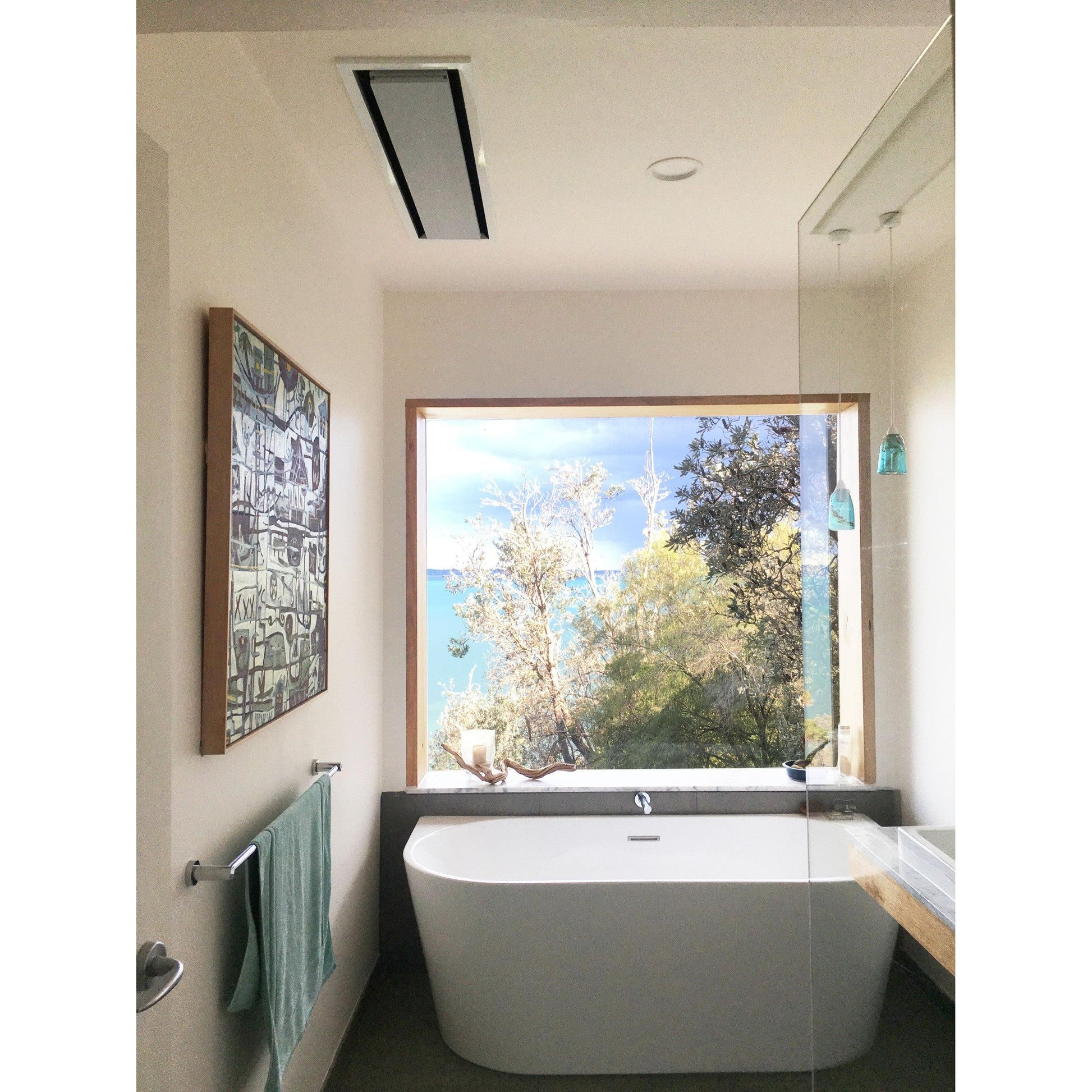 Best Electric Heaters for Small Room Heating
The most effective electric heaters for small room heating balance heat output, distribution, and consistency. Effectiveness depends less on the heater’s advertised technology and more on how it delivers heat into the room.
For small room heating, the three most practical types are ceramic heaters, oil-filled radiators, and infrared heaters.
Ceramic heaters warm air quickly and circulate it throughout the room, making them useful for rapidly heating small rooms like bedrooms or home offices and for situations where fast temperature changes are needed.
Oil-filled radiators release slow, steady heat that continues even after the heating element cycles off. Because the oil retains heat, the room stays warm even after the heater shuts off, creating a more stable temperature with fewer hot-cold swings.
Infrared heaters warm people and nearby surfaces directly rather than heating the air. In a small room, this can create a comfortable feeling of warmth without raising the entire room temperature, making them effective for targeted small room heating.
For most small apartments, oil-filled radiators offer the best balance of comfort and efficiency, while ceramic heaters are better for fast heat when entering a room.
In practice, the most effective option often depends on how the room is used. Spaces where people remain seated for long periods benefit from radiant heat, while rooms with frequent movement benefit more from convection heating.
Choosing Electric Heater Size for Small Apartment Heating
Choosing the right heater size starts with understanding room square footage and insulation quality for effective small apartment heating.
A simple guideline is about 10 watts of heating power per square foot. For example, a 100 sq ft room needs about 1,000 watts, while a 150 sq ft room typically requires around 1,500 watts.
However, insulation changes the equation. If the apartment has older windows, high ceilings, or multiple exterior-facing walls, you may need 10-20% more heating power.
Many guides recommend a simple formula based on square footage, but real apartments often require a more nuanced approach. Window area, ceiling height, and exterior walls all influence how much heat a room loses.
Large windows can lose heat quickly, especially in older buildings, and rooms with multiple windows may require additional heating capacity. High ceilings increase the total air volume that must be heated, while rooms with two or more exterior walls typically experience greater heat loss.
For very small spaces like studios, it’s often better to use two smaller heaters instead of one large unit. This approach can also improve small electric heating efficiency by distributing heat more evenly.
Because most apartment circuits safely support about 1,500 watts per outlet, and those circuits are controlled through the apartment’s electrical panel, distributing heating across two smaller heaters can also prevent overloading a single outlet.
Electric Heating Safety in Small Apartments
Electric heaters are generally safe, but small apartments require extra attention to clearance and electrical load. Safety becomes especially important in small apartments where furniture and living areas are close together.
One of the most overlooked risks is restricted airflow around heaters. Even if a heater technically has enough clearance, placing it in tight corners or between furniture can trap heat and cause overheating.
Maintain clear space around heaters and keep at least three feet of clearance from furniture, curtains, bedding, or rugs. Avoid placing heaters in high-traffic walkways where they could be knocked over.
Plug heaters directly into wall outlets rather than extension cords or power strips, which can overheat under high wattage.
Avoid running multiple heaters on one circuit. Small apartments often share electrical circuits between outlets, so running several high-wattage heaters can trip breakers in the apartment’s electrical panel.
Use heaters with automatic shutoff and tip-over protection, which turn the heater off if it falls or overheats.
It’s also wise to periodically check outlets and plugs. If a plug or outlet feels unusually warm, it may indicate the circuit is under heavy load.
Turn heaters off when leaving the apartment, since even safe heaters should not run unattended for long periods.
These precautions dramatically reduce the risk of electrical overload or fire hazards.
Energy-Efficient Small Electric Heating
Improving efficiency often costs less than upgrading the heater itself, especially when optimizing small electric heating systems.
One of the biggest mistakes people make is trying to heat air that escapes too quickly. Improving heat retention can reduce heating costs more than upgrading to a different heater.
Thermal curtains, window film, and draft seals can reduce heat loss by 20-30%. Window insulation film can dramatically reduce heat loss through glass, and using thermal curtains at night helps trap warm air inside the room during colder hours.
Running heaters only when needed avoids unnecessary energy consumption, and maintaining a stable temperature often uses less electricity than repeatedly heating a cold room.
Even reducing the thermostat by 1-2 degrees can noticeably reduce electricity use.
Warm air rises, so gentle air movement from ceiling or circulation fans on low speed helps distribute heat evenly throughout the space.
Heating fewer rooms by closing unused ones concentrates warmth where you actually need it.
Taking advantage of passive heat sources also helps. Sunlight through windows during the day can naturally warm the apartment.
When these strategies are combined, electric heating systems run less frequently and maintain warmth more easily, and these simple adjustments often cut heating costs more than switching heater types.
Electric Heater Placement for Small Room Heating
Heater placement plays a major role in how evenly heat spreads throughout a small apartment and improves small room heating performance.
One effective strategy is placing heaters near the coldest surfaces, typically exterior walls or windows. Cold air enters from these areas, so positioning heaters nearby helps offset heat loss and improves overall temperature balance.
Another important consideration is airflow paths. Heaters work best when warm air can move freely through the room rather than being blocked by furniture, tight corners, or low surfaces. Avoid placing heaters directly under shelves, desks, or low tables where rising heat becomes trapped.
In open spaces rather than corners, airflow improves and warm air can circulate more naturally. If possible, position heaters where warm air can circulate freely through the room, such as near the center of the longest wall.
For many rooms, the ideal placement is along an exterior wall with open space around the heater, allowing warm air to circulate naturally throughout the room and improve small room heating consistency.
Heaters should also be placed away from direct drafts that can push warm air away before it circulates through the room, and at least a few feet from seating areas to prevent uncomfortable hot spots while still warming the surrounding air.


