
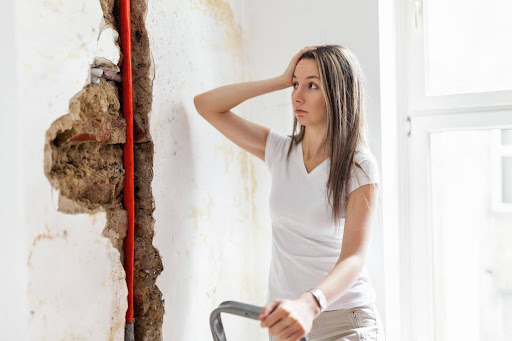
Family life runs on routines. School mornings, meal prep, bath time, homework, and bedtime all depend on a home working the way it should, especially its plumbing. When plumbing issues develop behind the scenes, the disruption can ripple through the entire household. This is why many parents choose to work with a leading plumber in Adelaide early, rather than waiting for small plumbing issues to turn into emergencies that derail already busy schedules.
The challenge is that many of the most disruptive plumbing problems are not obvious. They develop quietly, out of sight, until they suddenly demand attention at the worst possible moment.
When Small Plumbing Problems Create Big Stress
Parents often expect plumbing problems to announce themselves clearly. In reality, many of the most disruptive plumbing issues start small. A slow leak under a sink, a toilet that runs intermittently, or a drain that empties a little more slowly each week can seem easy to ignore when life is busy.
Over time, however, these issues tend to escalate. What begins as a minor inconvenience can turn into water damage, unpleasant odours, or complete system failure. When this happens mid-week or late at night, it can throw family routines into chaos and add unnecessary stress.
Why Plumbing Disruptions Affect Families More Than Other Home Issues
Households with children are particularly sensitive to plumbing disruptions. Bathing routines, laundry needs, food preparation, and hygiene all depend on reliable water access. When plumbing systems fail or become unreliable, parents are forced to improvise, often while managing tired or unsettled children.
Research from the Australian Institute of Family Studies shows that everyday household stressors compound quickly in families that are time-poor. Unexpected plumbing problems can increase mental load, reduce sleep quality, and heighten anxiety, particularly when they involve health, safety, or sanitation concerns.
Hidden Plumbing Issues That Often Go Unnoticed
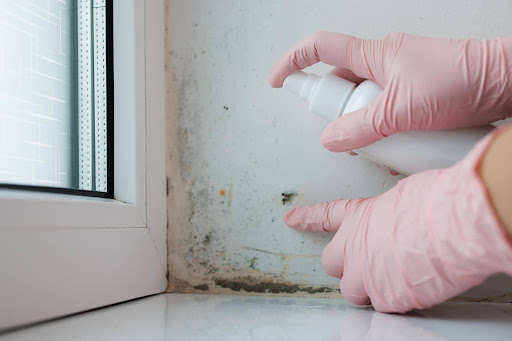
Some of the most common plumbing problems affecting families are the least visible. Moisture behind walls can encourage mould growth long before it becomes obvious. Slow leaks can weaken cabinetry, flooring, or structural materials over time. Inconsistent water pressure may signal internal pipe strain that can eventually lead to more serious failures.
Plumbing systems are especially prone to hidden deterioration because pipes and joints are often concealed behind walls, under floors, or within cabinetry. This allows problems to progress quietly until they begin to interfere with daily routines.
According to guidance from NSW Health, damp indoor environments are associated with higher risks of respiratory issues, particularly for children. This makes early detection of moisture-related plumbing problems especially important in family homes.
The Financial Impact of Unexpected Plumbing Repairs
Plumbing disruptions are not only stressful; they can also be expensive. Emergency repairs often cost significantly more than planned maintenance, particularly when after-hours services are required. In addition, water damage can extend beyond plumbing, affecting walls, floors, furniture, and electrical systems.
The Insurance Council of Australia has repeatedly noted that damage caused by gradual deterioration or lack of maintenance may not be fully covered by insurance policies. For families managing household budgets, this can result in unexpected expenses at precisely the wrong time.
Why Preventative Plumbing Maintenance Is Easier Than Recovery
Preventative plumbing maintenance shifts control back to families. Instead of reacting to problems under pressure, parents can schedule inspections and repairs at convenient times and address minor issues before they escalate.
This approach reduces the likelihood of sudden disruptions and allows costs to be spread more predictably over time. It also helps ensure that essential household systems continue to support daily routines rather than interrupt them.
Preventative checks provide reassurance. Knowing that plumbing systems have been assessed by a professional allows parents to focus on family life instead of worrying about what might be happening behind the walls.
How Reliable Plumbing Supports Family Wellbeing
A stable home environment plays a key role in children’s wellbeing. Consistent routines support better sleep, smoother mornings, and calmer evenings. When plumbing issues disrupt access to water or sanitation, those routines become harder to maintain.
Studies referenced by Raising Children Network emphasise that predictable environments help children feel secure. While no home is entirely problem-free, reducing avoidable plumbing disruptions can make a meaningful difference to family comfort and emotional stability.
Making Plumbing Maintenance Part of Family Planning
For many parents, planning revolves around school terms, extracurricular activities, and family commitments. Plumbing maintenance rarely features on the calendar until something goes wrong.
Treating plumbing care as part of long-term family planning, rather than an afterthought, helps reduce stress and protect both health and finances. Small, proactive steps can ensure the home continues to support family life without interruption.
A Calmer Home Starts With a Well-Maintained Plumbing System
Hidden plumbing issues have a way of demanding attention when families can least afford the disruption. While they may be easy to overlook, their impact can be significant once they surface.
By paying attention to early warning signs and taking a preventative approach, parents can create a more stable and comfortable environment for their families. In the long run, a home with reliable plumbing quietly doing its job is one less thing for busy parents to worry about, and that peace of mind is invaluable.
Why Professional Commercial Plumbers Are Essential for Your Business
DIY or Call a Plumber? How to Decide for Common Plumbing Issues
Water Leaks and High Bills What St Kilda Families Should Know
Why Hiring a Professional Plumber Saves You Money From Renovations


