
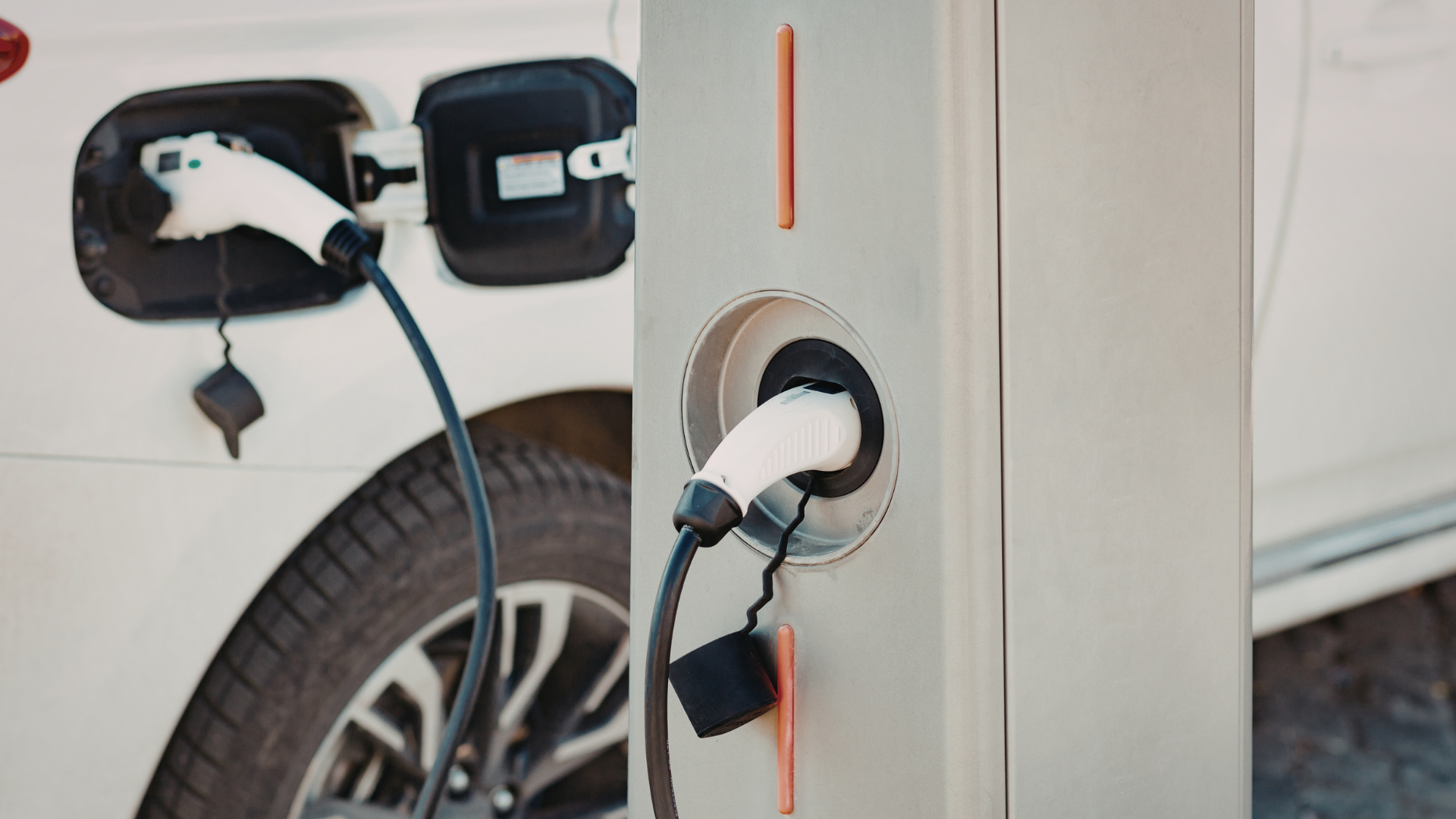
Energy efficiency isn’t just about saving on utility bills anymore, it’s become a statement of style, intelligence, and innovation. From sleek EVs to high-efficiency furnaces and smart HVAC systems that quietly optimize comfort, modern technology now signals sophistication as much as sustainability. Here’s how efficiency evolved from practicality to prestige.
Energy Efficiency Trends and the Rise of Modern Prestige
It started as thrift (1970s oil shocks) and compliance (1990s Energy Star, building codes). The symbolic turn happened once energy efficiency trends became visible, premium, and story-worthy, roughly 2010s onward, when three things converged:
Design made it obvious. EVs with distinctive silhouettes, LED strips, Nest’s ring, LEED plaques, signals you could see.
Performance beat the old guard. Quiet heat pumps, instant-torque EVs, induction speed, no “sacrifice,” just better.
Social proof scaled. Influencers, Tesla culture, LEED/Passive House tours, and shareable dashboards turned private savings into public status.
It changed when efficiency stopped being hidden behind utility bills and started performing in public. Once devices and homes began to show their intelligence, digital thermostats, solar panels on visible roofs, EVs with signature headlights, efficiency became a lifestyle statement. In short: saving energy stopped looking like deprivation and started looking like sophistication. These energy efficiency trends set the stage for how design, tech, and prestige now overlap.
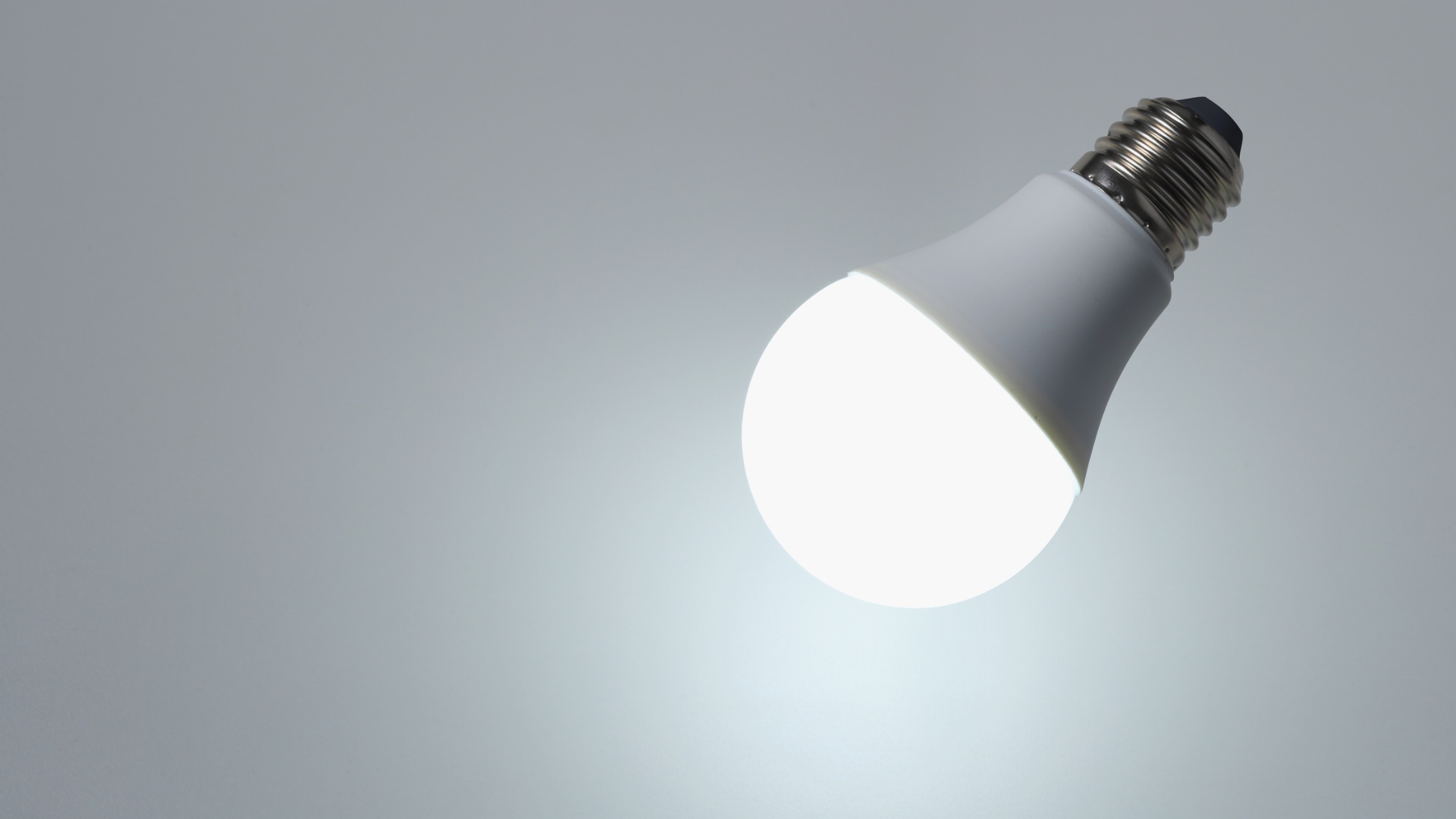 How Eco Conscious Consumer Trends Redefined Sustainability
Climate moved from “future science” to “present responsibility,” making purchases feel like votes. Urban professional identity, dense cities, tech jobs, and minimalist aesthetics, aligned naturally with low-carbon lifestyles. Home and car apps surfaced kWh, miles, and CO₂ avoided, from EVs to furnaces, turning data into visible virtue. Millennials and Gen Z treat brand alignment with values as table stakes, not a bonus. Fires, floods, and price spikes made resilience aspirational.
These eco conscious consumer trends shifted the focus from owning more to consuming smarter. Sustainability filled the moral vacuum left by the decline of traditional status markers like luxury cars or designer brands. As globalization blurred cultural lines, people began defining themselves through impact and intention rather than possessions. Digital culture amplified this, Instagram, YouTube, and brand storytelling made every purchase a piece of self-expression. The result: buying efficient products signals not just taste, but ethics, intelligence, and belonging to a “future-minded” tribe. These eco conscious consumer trends continue to shape how modern luxury expresses responsibility.
Eco-Friendly Trends and the Luxury of Going Green
They sold restraint as refinement. Tesla, Dyson, Apple, and Nest reframed efficiency as elegance, clean design, minimal noise, invisible waste. “Fastest, quietest, smartest”, then also efficient. Iconic UX (energy rings, eco-scores), distinctive form factors, and visible certifications made efficiency a visible status signal. Bundled ecosystems, car and app and home charger; thermostat and sensors and tariffs, made convenience justify the premium. Subscriptions, leases, PPAs, and rebates handled in-app removed friction at checkout, while waitlists, owners clubs, and exclusive software features created community and scarcity.
Brands realized sustainability could be aspirational if it looked effortless. Instead of lecturing consumers about the planet, they built systems that rewarded status and convenience: your car updates overnight, your thermostat learns your habits, your home runs itself. Efficiency became luxury through automation and aesthetics, not moral persuasion. These eco-friendly trends redefined luxury as quiet, intelligent design. They also illustrate how eco-friendly trends elevate products that blend performance and purpose.
Luxury Energy-Efficient Air Conditioner Culture and Modern Status
“Uses less to achieve more” maps to competence and smart design. Efficiency tracks with innovation curves, semis to nanos, ICE to EV, resistance coils to heat pumps. Lower footprint and cleaner air read as “contributes to the commons,” signaling character. Real-time stats create micro-rewards (“you did good”), reinforcing identity.
Efficiency taps into three deep psychological rewards: competence, control, and conscience. Competence, mastering your environment with data and smart tools, feels empowering. Control, predictability in a volatile world, less waste, fewer surprises. Conscience, moral signaling without sacrifice; you feel both clever and kind. That’s why efficient choices feel inherently “smarter”: they solve practical, emotional, and ethical needs at once. In this context, luxury energy-efficient air conditioner models, and proactive furnace service that keeps systems running at peak efficiency, become symbols of comfort and conscience. They represent how energy efficiency trends meet emotional satisfaction through smart technology.
 Eco-Friendly Trends Shaped by Influencers and Media
Governments standardized the language (labels, codes), de-risked adoption (rebates, tax credits), and normalized the tech (public chargers, building standards). They built the infrastructure of credibility, labels, rebates, and standards, but culture did the emotional heavy lifting. Influencers made the abstract tangible through side-by-side tests, bill reveals, and “silent driveway” EV clips. Lifestyle media reframed the hero’s journey, from “hair-shirt environmentalist” to “clever modernist” optimizing comfort, cost, and climate.
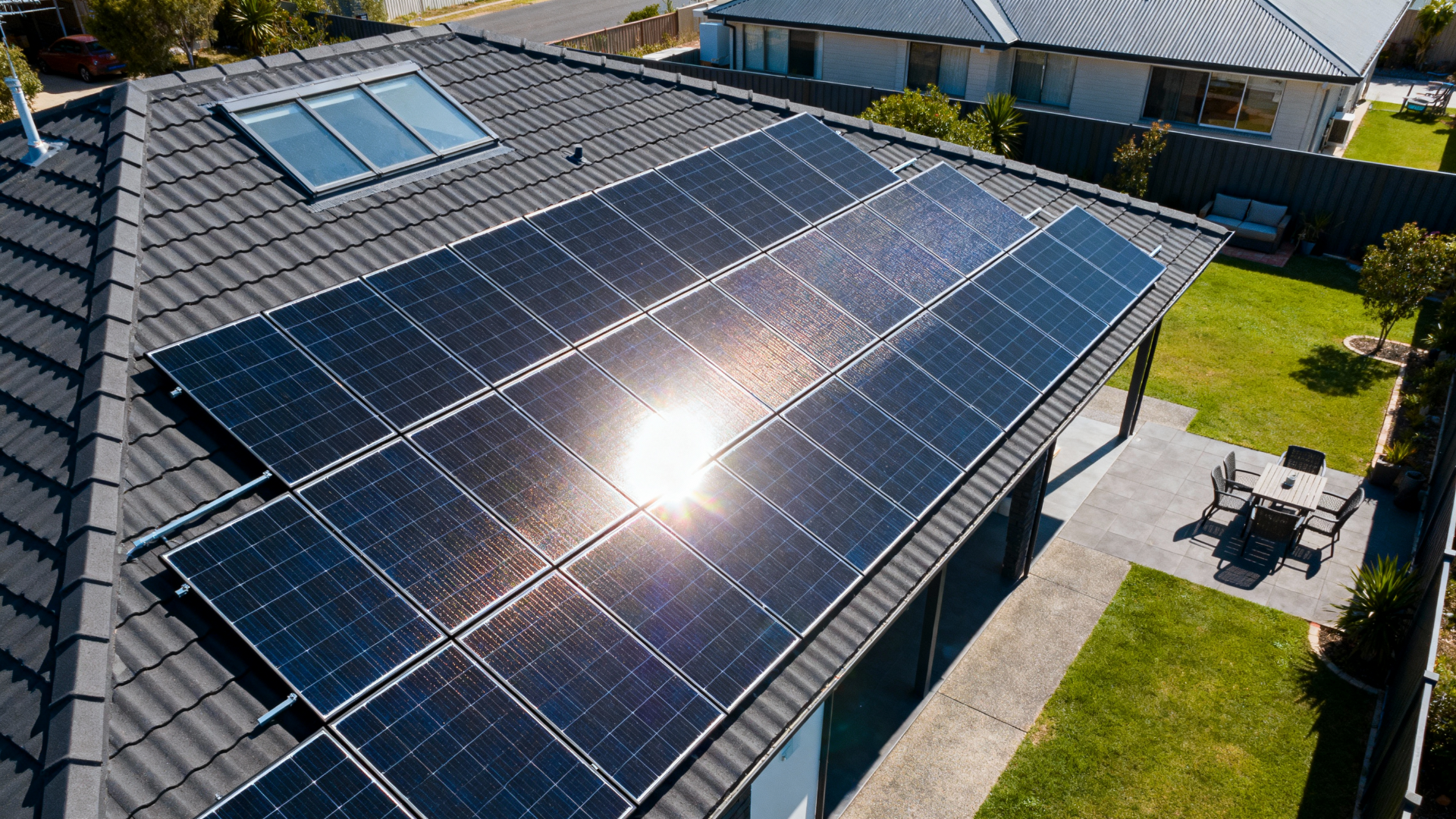
Government incentives gave legitimacy, but media gave desire. Once efficiency appeared on glossy magazine covers and tech-review channels instead of policy briefs, the perception flipped from bureaucratic to aspirational, think minimalist homes with solar panels, not spreadsheets with kilowatt hours. These eco-friendly trends thrive when storytelling meets aspiration.
Energy Efficient Luxury Home Construction as a New Design Ideal
Construction moved to an “envelope first” mindset, air sealing, high-R insulation, high-efficiency furnace or heat pump systems, ERVs for air quality, electrification-ready panels, and embodied-carbon specs. Value shifted from square footage to comfort, acoustics, and utility bills. Homes are now marketed as living systems, airtight, intelligent, responsive. Efficiency isn’t a code requirement anymore; it’s a design philosophy. These energy efficient luxury home construction practices have redefined comfort as a measurable, high-performance lifestyle.
Automotive followed a similar path: software-defined vehicles, torque as luxury, aero-driven styling, home-energy integration (V2H), and retail built around charging experience instead of horsepower. Electric mobility turned fuel economy from a boring metric into a lifestyle signal. Range anxiety gave way to dashboards and bragging rights about clean torque.
In home design, daylight and passive gains matter again. Kitchens spec induction for speed and air quality. Mechanical rooms are “smart hubs.” Architects integrate efficiency into aesthetics, hidden vents, daylight-driven layouts, quiet systems. Sustainability itself has become an aesthetic: quiet, clean lines, natural materials. The “green” home no longer looks rustic; it looks premium and calm. This evolution of energy efficient luxury home construction continues to drive both architectural innovation and environmental leadership.
It blurred the line between performance and identity.
Eco Conscious Consumer Trends and the Cost of Being Green
Both truths can coexist. Efficiency is accessible through LEDs, smart plugs, basic weatherization, and utility rebates, high ROI, low barrier. But it’s also privilege-coded: retrofit-grade windows, batteries, whole-home heat pumps, EVs, capital up front, savings later.
Right now, it’s both a necessity and a luxury good. Wealthier consumers buy in early because they can afford the premium and reap the savings later, while lower-income households face higher energy bills, outdated systems, and limited financing. The irony is that those who would benefit most often face the biggest barriers. These eco conscious consumer trends reveal how sustainability can both unite and divide depending on access.
The equity hinge lies in who captures incentives and financing. If programs handle audits, contractors, and cash flow for low-to-moderate income households, on-bill financing, no-money-down measures, efficiency is democratized. True progress comes when efficiency is embedded in defaults, appliance standards, building codes, and community-scale retrofits, so fairness doesn’t depend on opting in.
Energy Efficiency Trends Driving a More Sustainable Future
Status drives adoption faster than ethics ever did, if we channel it. Make the clean choice the cool default: visible design cues, smooth UX, and instant benefits drive imitation. Reward sharing, not shaming, social features that celebrate savings and comfort outperform moral policing.
Direct prestige toward systems, not gadgets: recognize efficient buildings, transit access, and grid-friendly homes, not just high-end devices. Tie policy incentives, badges, fast-track permits, tax perks, to high-impact standards like heat pump water heaters, induction in multifamily, and deep retrofits. These forward-looking energy efficiency trends emphasize progress through culture, not compliance.
When efficiency is aspirational, it spreads through imitation instead of regulation. People copy what they admire, not what they’re told. The challenge is steering that prestige toward meaningful outcomes, durability, electrification, community impact, rather than cosmetic sustainability. If done right, vanity becomes a renewable resource: a social engine for real environmental progress driven by eco-friendly trends and evolving energy efficient luxury home construction ideals.
Professionally Cleaning High-Rise Apartment Windows: A Guide for Busy Families


